
The Black Seeds dubbed a must-see show at Victoria Ska Fest
When the Ska and Reggae Fest returns to Victoria from June 24 to 28, it will feature a multitude of talent from around the world, and attendees might be forgiven for their difficulty in choosing which of the host of tremendous groups they should see. “One of the groups that I would definitely recommend is The Black Seeds,” said Dane Roberts, the founder and executive director of the festival. “When I first saw these guys perform, I was just blown away, and I said, I have to get them to the festival.” “They have a sound that really showcases the diversity and soul of ska.” The Black Seeds hail from Wellington, New Zealand, where frontman and founder of the group, Barnaby Weir, was inspired by the ska movement. The music that the band performs doesn’t allow for a simple classification within a single genre, though. Sure, it’s inspired by reggae and ska, but their breakthrough hit, One by One, took that inspiration and mixed it with big beat funk, dub, Afro music, pop, rock, and soul. That song was featured in the top-ranked TV series Breaking Bad, and the band has never looked back. “We’re predominantly a funk/soul group with reggae and Jamaican roots,” said Weir. “For us, we enjoy touching on rhythms that are groovy and make your hips move. There has to be a heartbeat to the music, and because we do everything live, our music has that human element. You’ll never hear us play the same song exactly the same way twice.” “You never know what you’re going to hear or see with us. It’s exciting and spontaneous, and I think that people get the group vibe – the way we’re human and there to lead you on a personal adventure.” That formula has obviously worked as the band has been active for 27 years (coincidentally coinciding with the run of Skafest in Victoria). The band performs with eight members, with instruments that include guitar, saxophone, trumpet, bass, drums, bongos, keyboard, and wood block, all in support of the group’s amazing vocals. Weir has been the constant for the group, which, understandably, has seen a number of changes in membership over the years. Around the mid-2010s, the band underwent key personnel changes, with longtime guitarist Mike Fabulous and bassist Tim Jaray departing after contributing to Dust and Dirt. These exits prompted the integration of new members, including keyboardist Nigel Patterson, who had been involved in earlier projects, and drummer Jarney Murphy, who joined in the late 2000s and provided rhythmic continuity. The refreshed lineup supported the release of their sixth studio album, Fabric, in September 2017, which peaked at number four on the New Zealand album charts and earned acclaim for its introspective tracks and production. As was the case for many groups, the COVID-19 pandemic disrupted the band’s live shows and forced them into the studio where they created their seventh album, Love and Fire. They re-emerged after the pandemic, with a whirlwind touring schedule and even more releases. They’ve just released a new single, Compassion, and are working on even more amazing music. “We were in Victoria in 2016, and we’re coming back this year because we were lucky enough to run into Dane (Roberts) and he invited us to return,” said Weir. It’s a great festival, and we’re coming over to do the four shows because we love Victoria and we love Dane. We’re excited to bring our sound to Canadian ears.”

Town Crier statue gets second chance at new life in Greater Victoria
For years, it stood at Ogden Point greeting cruise ship passengers from around the world. Now, one of Victoria’s forgotten waterfront landmarks is getting another chance to be seen again, and its champion is looking for a local golf course, business, or community space to take it in. The Greater Victoria Harbour Authority (GVHA) has granted longtime Sidney town crier Kenny Podmore permission to help find a new home for the bronze Town Crier statue, which has remained in storage since being removed from the waterfront roughly a decade ago. While he does not yet have a preferred destination in mind, Podmore says he hopes the 10.5-foot monument remains somewhere in Greater Victoria where the public can continue to enjoy it. “I would like to work with potential people and have a look at locations together,” he said, noting that any relocation costs would need to be covered externally due to the immense size of the piece. “As long as we can keep it down here. I would not want it to disappear somewhere and never be seen again because it is a beautiful statue.” To Podmore, the statue has always represented one simple idea. “One word describes it, and that is welcome,” he said. “It welcomed people to Victoria coming off the cruise ships, but at the same time it kept the history of town crying in the public eye.” The statue, sculpted by Armando Barbon and unveiled in 2009, depicts famed Victoria A.M. Association town crier Tommy Mayne. A plaque attached to the monument also honours 12 Vancouver Island criers and three unofficial criers, including Podmore himself. Sitting on a base measuring roughly 3.5 feet by 3.5 feet, the statue – weighing roughly 750 pounds – became a popular stop for tourists visiting the capital city. “People literally from all over the world had their picture taken with it,” Podmore said. “The cruise ship passengers loved it.” Podmore first spoke publicly earlier this year after learning the statue remained in storage with no clear plan for its future. Now, the GVHA has agreed to let him spearhead the search for a new location. “I think it is wonderful on their part that they agreed to that,” Podmore said. “Hopefully now we have this opportunity to bring it out again.” Podmore also said he would gladly continue helping maintain the statue if it finds a new home, something he previously offered to do through Rotary before insurance concerns halted those efforts. The longtime town crier says the effort is about preserving a unique piece of local history rather than personal recognition. “This is not about Kenny Podmore,” he said. “It is about the history of town crying and keeping it in people’s minds.” RELATED: Once a welcome to Victoria, town crier statue now sits in limbo Sidney man proclaims himself out of retirement as ‘crier at large’

PHOTOS: Victoria’s Highland Games celebrates 163 years of Scottish heritage
The Highland Games are believed to date back to the 11th century, originating in the rugged terrain of Scotland. Thought to have begun as a way to identify the country’s mightiest warriors, the event featured strength-based contests across a wide range of disciplines. As centuries passed and Scots spread throughout the world, they brought with them the cultural traditions, music, crafts and sports that continue to define their heritage today. In Victoria, the first Highland Games were held more than 160 years ago – just two decades after the city was founded, said Jim Maxwell, president of the Victoria Highland Games Association. Deemed a success with more than 2,000 attendees at its inaugural event, it launched a long, unbroken tradition that has endured through both world wars, making it one of the oldest continually running Highland Games, said Maxwell. Today, the “world-renowned” Victoria Highland Games and Celtic Festival celebrates its 163rd anniversary by showcasing a wide array of activities, including the iconic caber toss and stone-throwing competitions, pipe band performances and Highland dancing. There’s a bit of everything for everyone, said Maxwell. “It doesn’t matter if you’re Scottish, Celtic, or wherever your background’s from,” he said. “If you like music or sports, you’re going to see something really unique.” Although the two-day event got off to a rough start with rain on May 16, thousands visited Victoria’s Topaz Park the following day to enjoy the celebration. As people strolled the grounds in their best Sunday kilts, browsed artisan booths, Maxwell said the festival attracted well above 10,000 visitors. And for those who never had the chance to attend the festivities, Maxwell extended an invitation for next year. “People don’t realize how many different activities are going on,” he said. “They came to see one thing, they ended up staying and watching 10 other things, and we pride ourselves on having world-class quality in each of our major events.” For more information about the Victoria Highland Games and Celtic Festival, visit victoriahighlandgames.com .

Province injects $639K in grants for events across Greater Victoria
Provincial funding will support dozens of sporting, cultural and community events across Greater Victoria through the B.C. government’s Destination Events Program. NDP MLAs announced the $639,000 in total funding May 14, saying the grants will help organizers host events ranging from marathons and music festivals to arts shows and sporting competitions. Among the largest grants announced were $100,000 for the 2026 Royal Victoria Marathon, $90,000 for the 2026 Rifflandia Festival and $53,000 for Saturday Afternoons at the Opera. “Greater Victoria is home to amazing organizations putting on events every year, including free, family-friendly, and inclusive events for the whole region to enjoy,” said Diana Gibson, MLA for Oak Bay-Gordon Head. On the West Shore, the 2026 Sooke Fine Arts Show received $24,000, while The Great Canadian Bash was awarded $22,000 and Island FanCon 2027 received $16,000. “Langford is a world-class destination for sporting, cultural, and community events that bring people of all walks of life together, helping boost our local economy, and make our town more vibrant,” said Ravi Parmar, MLA for Langford-Highlands. Lana Popham said the funding will help support the return of events in the region while Dana Lajeunesse and Nina Krieger highlighted the importance of these grants in highlighting local talents and supporting local economies. “Here in Greater Victoria we’re lucky to have wonderful events throughout the year for locals and visitors to enjoy, while supporting local businesses, artists, creators, and innovators,” said Krieger, MLA for Victoria-Swan Lake. For more information about the Destination Events Program and to find a full list of grant recipients, visit gov.bc.ca .

VIDEO & PHOTOS: Thousands celebrate shorter, yet mighty Victoria Day parade
Big things come in small packages. The Victoria Day parade route may have been shorter this year, but the festivities were in plentiful supply. Hundreds lined the streets of downtown Victoria for the 126th anniversary of the parade Monday morning (May 18), entertained by marching bands, clowns, performers and cultural groups. Over 4,000 participants took part in the event. Among them was retired NHL player Bob Barlow, who was the honorary parade marshal riding in the Greater Victoria Festival Society’s Mustang. The 90-year-old holds the NHL record for scoring the fastest first goal in league history – finding the back of the net just six seconds into his debut with the Minnesota North Stars. Also taking part was the Special Olympics torch run, with Greater Victoria firefighters and police officers walking with B.C. athletes. The torch run was slated to take part in the now cancelled Oak Bay Tea Party Parade. Down from four kilometres to 1.6 km, the 126th Victoria Day parade started at the Legislature, travelling down Government to Wharf Street, to Johnson Street and back to Government before ending at Chatham Street. The scaled-back route was in part because of the economic impact of fewer people finding time to volunteer, and new safety rules put in place by the city, in response to last year’s Vancouver Lapu Lapu Day Festival, when 11 people were killed. “Thank you for your patience as we worked through a brand-new route this year,” said Greater Victoria Festival Society in a social media post as the parade wrapped up. The society also thanked all the participants, parade sponsors, Victoria Police Department and the City of Victoria. “But most of all, thank you to this community,” they said. “Thank you for your support, your understanding, your cheering, your positive energy, and your deep love for this beautiful city.” READ MORE: VIDEO: Gull power: Victoria seagull screamer soars to victory . Finding Bigfoot: Greater Victoria research trio tracks Sasquatch on Island .

4 Canadians connected to hantavirus cruise ship isolating on Vancouver Island
Four Canadians who arrived in B.C. after being on the cruise ship struck by hantavirus are now isolating in the Island Health region, provincial health officer Dr. Bonnie Henry says. The four arrived at Victoria International Airport Sunday evening, Henry told media during a second update in two days on Monday (May 11). Henry gave the first briefing on Sunday afternoon before the four arrived in B.C. She said the arrival went smoothly and the four didn’t come into contact with the public. Henry said that they were thoroughly screened and assessed by Island Health public health officials and everyone was wearing the appropriate personal protective equipment. “It showed last night they were tired, and I would say exhausted, but very relieved and grateful to be back here in Canada.” While the four are isolating for a minimum of 21 days in the Island Health region, they’re not all from the Island or B.C. Two of them are a couple in their 70s from the Yukon, another person is in their 70s and from the Island and the fourth person is in their 50s and from B.C. but living abroad. The person, who lives on the Island, lives alone and is isolating at home. The other three are in facilities that Island Health has procured, Henry said, with the couple isolating together and the fourth person isolating separately. B.C. public health officials are working closely with the Yukon government as the territory wouldn’t have the capacity to test or the facilities to care for someone if they were to develop severe symptoms that have been seen with the virus. The four will be isolating in the Island Health region for a minimum of 21 days, which began on Sunday. However, that could be extended to 42 days, Henry said. The known incubation period is about six weeks. None of the four Canadians had directed contact with the ill people on board, but Henry noted that “in a closed environment, like the cruise ship, it’s very difficult to know for certain.” She said the European Centre for Disease Control had people do an assessment of all passengers onboard and everyone on the ship is considered “higher-risk contacts.” However, the four Canadians are “in the lower-risk spectrum” in terms of the location of their cabins and the activities they did in proximity to those who became ill. Henry added all four “were and continue to be well and have no symptoms.” There are two other “events” where people were potentially exposed to the virus: a flight to Johannesburg, South Africa from Saint Helena and another flight to Amsterdam from Johannesburg. “The wife of the initial case was on board the Saint Helena to Johannesburg flight) and was starting to show symptoms. When that flight landed in South Africa, there were boarding a flight from Johannesburg to Amsterdam,” Henry said. “The wife was notably quite ill and was on that flight for a period of less than an hour. They were medically assessed, the flight was delayed, didn’t take off, and they were taken off the flight and taken to hospital and died the next day in South Africa.” Henry said there Canadians on the Saint Helena-Johannesburg flight and they are being monitored: one in Ontario and one in Quebec. There were also Canadians on the Johannesburg to Amsterdam flight and they are being monitored in Alberta and Ontario. During the isolation, Henry said each person will be receiving daily monitoring by public health teams including regular symptom checks, wellness assessments, and clear guidance on what to do, should their health status change. If there is a change in their symptoms, Henry said her office will provide additional updates. A cluster of passengers with severe respiratory illness aboard the the MV Hondius were reported to the World Health Organization on May 2. Since then, three people have died. Henry said nine people have tested positive, including a recent case in France from someone who just returned from the cruise ship. She added there are multiple people still in hospital, including one in South Africa, two in the Netherlands, one in Switzerland and the most recent case in France.

PHOTOS: Pirate spirit returns as Buccaneer Days takes over Esquimalt
Driving through the streets of Esquimalt over the past weeks, folks may have noticed front yards decked out with inflatable pirate ships, plastic sabres and skeletons sporting tricorn hats. For the uninitiated, the sight may seem unusual, but for locals it signals the return of the community-favourite Buccaneer Days. With roots dating back to 1939, this year’s four-day celebration took place from May 7 to 10 at Esquimalt’s Bullen Park. Drawing up to 10,000 festival-goers this year, according to organizers Chris and Irene Coell, the event featured a variety of activities, including a community barbecue, cornhole tournament, midway carnival, costume contest and marketplace. Organizers Chris and Irene Coell at this year’s Buccaneer Days. (Olivier Laurin/Victoria News) This year’s Buccaneer Days attracted up to 10,000 festival goers in Esquimalt from May 7 to 10. (Olivier Laurin/Victoria News) Organized with the help of more than 20 local organizations and dozens of volunteers, the Coells said the event is centred around community spirit, Esquimalt’s naval history and having fun. “We’re trying to build community spirit,” Chris said. “With everything that’s going on in the world, we want people to be able to come down, have a beverage, have some food, participate in the activities and enjoy the sun and each other’s company.” For those who missed this year’s festivities, the Coells extended an invitation to attend next year. “You don’t have to pay to come in,” he said. “You can just come and do whatever you need to do.” For more information about Buccaneer Days, visit esquimaltbuccaneerdays.ca .

Victoria Butterfly Gardens welcomes new dart frogs
The Victoria Butterfly Gardens is now home to a fresh collection of 40 dart frogs. A couple of months ago, the gardens sourced the dart frogs from a private breeder. Originally, the frogs were kept in an enclosure for the visitors to observe, but they realized the climate of their greenhouse was the exact climate of the terrariums they were keeping the frogs in. Days after the frogs were released into the greenhouse, they proved themselves and started breeding. “They’re very happy in the environment. The last batch of frogs that we ended up getting, we ended up just releasing the majority of them into the gardens themselves, and they’ve been settling in the gardens for the past couple of weeks now,” Travis Budgeon, horticulturist at Victoria Butterfly Gardens, told Peninsula News Review. Dart frogs, which are originally from the Amazon rainforest, are usually poisonous. They have one golden dart frog, which is part of the Phyllobates species, that has enough poison to kill up to 10 humans. Budgeon explained that the level of toxicity varies based on the frog’s specific diet. “Their poison originates from a diet of ants, millipedes and mites that they feed on in their natural habitat in the Amazon. That’s where they’re getting their toxicity. Now, any dart frog that’s in captivity, because of their food source, like for here, for instance, we feed them a species of flightless fruit fly for their diet, and they are no longer poisonous,” Budgeon added. Victoria Butterfly Gardens has 40 new dart frogs for visitors to see. (Courtesy of Victoria Butterfly Gardens) A special requirement for the dart frogs is to have a wet aquatic area. Humidity in their greenhouse is almost optimal for them because they have several water features installed to make sure humidity rarely dips below 60 per cent. “Ideally, for a captive dart frog to be put into an environment like this is like a dream come true as far as I’m concerned.” Approximately 40 dart frogs of several subspecies are being released into their greenhouse. “There’s a soundscape in our gardens that we didn’t even know we were missing. You walk through our gardens and, along with the birds and along with all the animals making noises, you’re also hearing this constant chittering noise from all sites, all areas of the garden. It just makes it almost surreal.” Another intention of bringing the dart frogs into their rainforest environment is to create awareness about their existence and conservation aspects, because they are losing a vast area of their natural habitat. “A lot of people need to be aware of these things. We’re educating a lot of our guests regarding a lot of these wild species and how they are becoming endangered. I find seeing it firsthand, seeing it one-on-one, up close and personal, it really kind of resonates with a lot of people.” Budgeon said that the frogs in their greenhouse are becoming a little bit more street smart, so they are asking the guests to be cautious when walking through the gardens because they haven’t figured out where to cross paths yet. “They’re a little bit all over the place, but most of the time they’re spending time in the actual gardens themselves. It’s an exciting opportunity for a lot of our guests because they get to walk through, and these dart frogs are out and about.” “We’re just really excited to share these creatures with all of our guests, and we’re really looking forward to expanding people’s knowledge and educating the populace about these beautiful, beautiful creatures.”

Alberni Pacific Railway gaining steam, adds more rails to its run
It was all smiles aboard the Alberni Pacific Railway as the train made its first official trip across Stamp Avenue with passengers since 2018, heading all the way to the Best Western Barclay Hotel. With members of the Tseshaht and Hupacasath First Nations on board, along with representatives from the city and Island Corridor Foundation, the train headed for the Barclay. “I think everybody in the Valley would love to see this train go all the way at least to Cameron Lake and we’re gonna do whatever we can to support that vision,” said Chief Councillor Ken Watts of the Tseshaht First Nation. “The rail does have a history in terms of our territory that was taken from us. But we see opportunities to work together so we can all benefit from this rail. Not just First Nations but the entire Valley.” Before the train departed for the Barclay, singers and dancers from Tseshaht and Hupacasath First Nations performed together as both Nations have invested resources and lent support in bringing the rail back to service. Councillor Serena Mayer from Hupacasath First Nation said her family has loved the train’s return to service. “We’ve been riding it since it re-opened and really enjoying the time we get to spend together with our family and other families and our community,” Mayer said. “It’s such an incredible way to experience our territory, we’re super grateful to recognize the hard work of the Island Corridor Foundation and the Alberni Pacific Railway, the city, Hupacasath and Tseshaht to really dream big and see what the potential is for this project.” Mayer said despite the rail’s challenging history, she’s excited to see a new path forward being built that will support families, transportation and the tourism economy of the Alberni Valley. Throughout the ride to the Barclay, cyclists, drivers, walkers, city workers and semi-trucks waved or honked for the train as it went by. Riders aboard the train waved back at everyone they passed, including those drivers who waited for the train to cross at Stamp Avenue. Alberni Pacific Railway’s operations manager, Richard Spencer, said the Alberni train is well known as the friendly train. “We would love to hear from everyone from the community on what we can do differently, what we can add to the operation,” Spencer told people aboard the train. “This project represents what’s possible when heritage, tourism and community come together. We’re building on the legacy of the railway while creating new experiences that will benefit the Alberni Valley for generations to come.” The Alberni-Clayoquot Regional District formed a working group to discuss the railway with representatives from the two First Nations and the city to discuss plans for the future of the rail line. In 2025 several railway trestles were damaged by the Wesley Ridge Wildfire, which presents new challenges for longer distance train travel. For more than two decades Nuu-chah-nulth Tribal Council President Judith Sayers has been involved with the Island Corridor Foundation, currently serving as a co-chair. She hopes that showing how successful tourist trains can be around the Island will encourage governments to fund repairs to damaged trestles and help get the train running to Cameron Lake and well beyond. The foundation is made up of directors from First Nations and regional districts the railway passes through. Up until 2018 the train ran to McLean Mill National Historic Site but between funding cuts and damaged equipment it was shelved. Volunteers have been working hard to bring the train back, running train rides for tourists and bringing Santa on board for the Christmas train. With the stretch of track officially re-opened, train rides aboard the Alberni Pacific Railway will go for around 45 minutes from the station near Harbour Quay to the Barclay and back rather than the previous 25-minute ride on the shorter stretch of opened track.
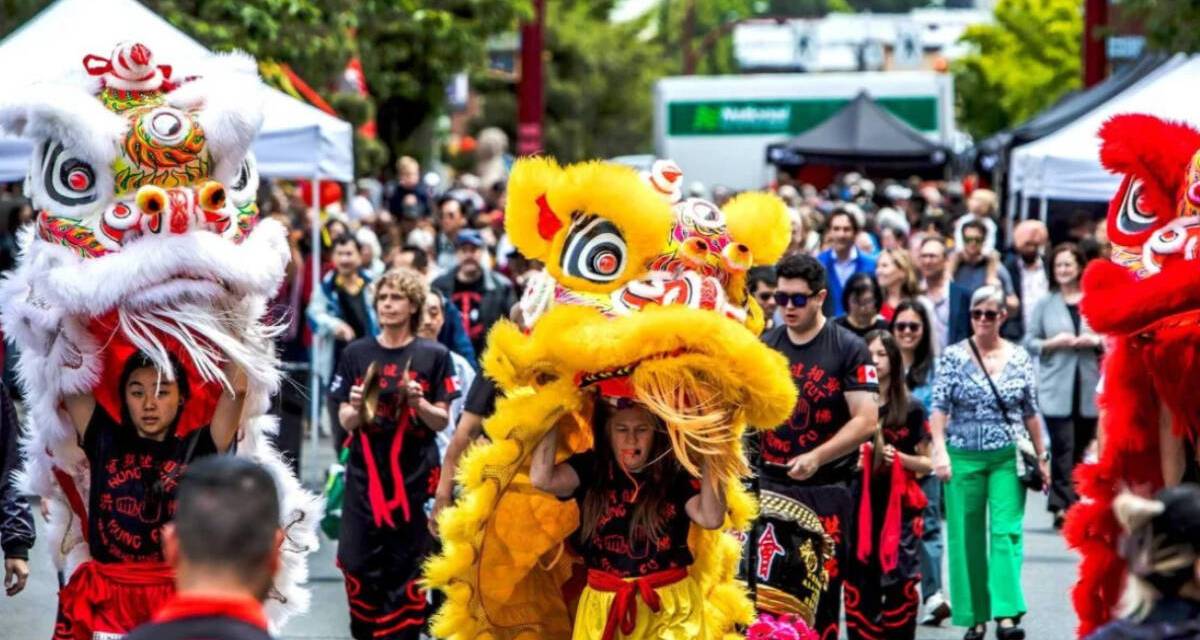
Awakening Chinatown celebrates culture, connection in Victoria
On Sunday, May 31, the streets of Victoria’s Chinatown will once again come alive with music, dance, vibrant colours and breathtaking displays of art, athleticism and culture. The fifth annual Awakening Chinatown Festival, presented by the Victoria Chinatown Museum Society in partnership with Chinatown businesses, will once again invite residents and visitors alike to witness and participate in a day of culture, celebration and connection. Of course, anyone who has lived in Victoria for any length of time is almost certainly familiar with the city’s historic Chinatown. It’s the oldest in Canada and one of the oldest in all of North America, and a stroll through its historic streets immediately brings to mind the rich culture, heritage and resilience of the Chinese people who played a vital role in Victoria’s (and Canada’s) early days. Established in the mid-19th century, it grew rapidly as Chinese immigrants came in search of opportunities during the Fraser River Gold Rush and the construction of the Canadian Pacific Railway. They established businesses and homes near Cormorant and Johnson Streets in what was often an unwelcoming society. They built places to live, work and belong, and persevered despite the constant threats of discrimination and exclusion. At its peak, Chinatown covered six square blocks, and the neighbourhood’s narrow alleys and enclosed courtyards became home to stores, theatres, temples, cafes, workshops, and social spaces for thousands of residents. Today, a visit to the neighbourhood’s historic streets reminds us of that past but only tells part of the story. It’s only when that backdrop of history and architecture is coupled with the dynamic culture on full display at the Awakening Chinatown Celebration that one can really appreciate the wonder of Victoria’s Chinatown. The event is held annually at the end of Asian Heritage Month when the district is transformed into a lively gathering place filled with music, performances, food, and cultural experiences for all ages. This year, Awakening Chinatown will offer a host of events, including presentations of lion dancing, traditional drumming, and astounding martial arts presented by the Wong Sheung Kung Fu Club. For the more cerebrally inclined, the festival will offer demonstrations of harmony and balance, presented by the Taoist Tai Chi Society. The Victoria Chinese Opera Club, Chinese Dance Victoria and Happy Drum Group will also be giving presentations and performances, and there will be live music performances that span styles ranging from classical to contemporary, including Alex Chen, performing opera and Chinese Art Songs in partnership and sponsored by Pacific Opera Victoria, and Michelle Kwan playing the Guzheng. For the first time, the festival will also offer visitors performances from the Chinese Evergreen Seniors’ Choir, the BC Chinese Music Association’s Traditional Chinese Instrument Chamber Orchestra from Vancouver, and Elvin Chang, acclaimed Canto/Mando pop artist. For festival goers wishing to have a more hands-on experience, the festival will offer calligraphy and Chinese arts demonstrations, hands-on games and activities for families, and opportunities to connect with community organizations. As an added attraction, the festival will once again present the Awakening Chinatown Scavenger Hunt. Visitors will have the chance to explore the district while searching for important landmarks, stories, and cultural touchpoints. It’s a fun and interactive way to experience the neighbourhood while learning more about the history and community that make it so special. The Awakening Chinatown Festival is the work of the Victoria Chinatown Museum Society (VCMS). The Society was formed in 2019 as a non-profit society whose purpose is to share the history, traditions and culture of early Chinese Canadians in Victoria. The museum’s permanent home is inside the Hoy Sun Ning Young Benevolent Association building in Fan Tan Alley, North America’s narrowest commercial street. The museum features a permanent collection of images and artifacts, as well as rotating collections, pop-up exhibits, and family-friendly games and activities. The Awakening Chinatown Festival is free and open to all and will kick off at 11 a.m. and run until 4:30 p.m. on May 31. More information on the festival, as well as an overview of Chinatown’s vibrant history, can be found at

Greater Victoria tourism group honours 2 top leaders for ‘meaningful legacy’
Destination Greater Victoria recognized two long-standing leaders in the region’s visitor economy, presenting its Miracle Award to Reid James and Life Member Award to Robert Bettauer. “Both Reid and Robert exemplify the leadership, collaboration and long-term commitment that have helped shape Greater Victoria as a destination,” said Paul Nursey, CEO of Destination Greater Victoria. “Their contributions have left a meaningful legacy for our industry and our community.” The Miracle Award, established in 1982 to recognize an outstanding individual or group, honours James for decades of leadership and service within Greater Victoria’s hospitality sector. From his early career in hotel operations and sales to his long-standing leadership at the Hotel Grand Pacific, James has played an important role in shaping Victoria’s hotel landscape. He is widely respected for mentoring future leaders and for his commitment to strengthening the industry through service on numerous boards and associations. He has served on the boards of Destination Greater Victoria, the Victoria Hotel Destination Marketing Association, the BC Hotel Association, and as chair of the Hotel Association of Greater Victoria for eight years. James’ leadership was influential in modernizing the relationship with the City of Victoria and was among the key hotel leaders who supported Destination Greater Victoria becoming the eligible entity for the Municipal and Regional District Tax, as well as taking on leadership of sales and marketing for the Victoria Conference Centre. Robert Bettauer, recipient of Destination Greater Victoria’s 2026 Life Member Award, pictured with David Gudgel, chair of the board of Destination Greater Victoria. (Courtesy Destination Greater Victoria) The Life Member Award, one of the organization’s most prestigious distinctions, honours an outstanding individual for sustained contributions to the tourism industry and community, as well as the work of Destination Greater Victoria. Bettauer brings decades of senior sport leadership experience in Canada and has served as CEO of the Pacific Institute for Sport Education since 2010. He was the inaugural chair of the Greater Victoria Sport Tourism Commission and continues to hold the role. His previous roles include president and CEO of the Canadian Sport Centre Ontario and director of tennis development for Tennis Canada. A nationally accomplished athlete, Bettauer has won multiple Canadian men’s masters tennis titles and was named to Canada’s 2026 national 70-plus team competing at the ITF Senior World Tennis Championships. He is also an ongoing tennis analyst for Sportsnet. Through his leadership across sport, education and tourism, he has played a key role in strengthening the connection between sport, major events and tourism, helping advance sport tourism as an important driver of Greater Victoria’s visitor economy. The region’s not-for-profit destination marketing and management organization presented the awards on April 24. For more news delivered daily into your inbox, please click here .

Intrepid reporter bravely tries out e-scooter in Parksville launch
Last week my editor sent me one of the most challenging assignments of my relatively short career in journalism: To ride an e-scooter, maintaining my balance long enough for fellow reporter Michael Briones to snap at least one photo. After I read that email I had to pause and ask myself – am I up to that? I paced around for a few minutes, stared out the window for a while and then decided that yes, I would ‘take one for the team’ and put my life on the line. I would ride an e-scooter for the first time in my life. Evolve’s e-bike and e-scooter share launched in Parksville on April 22, which happens to be Earth Day. After signing my life away on the waiver, I was lent a helmet and given instructions on how to safely ride the scooter, which includes staying off the sidewalk, by the way, unless you’re walking it. Not being a scooter rider, I felt a bit unsure of myself, as I slowly made my way slightly uphill on Craig Street and turned onto a quiet side street. Having both feet up on the deck, legs close together, felt a bit unnatural at first, but only for a minute. Riding downhill on my return was more fun. I felt a lot more confident and was able to enjoy myself more. Don’t let my grumpy expression in the photos fool you, I pretty much always look like that. The accelerator is designed to be very gentle, so even if you push the button down all the way, it’s not going to jerk you forward suddenly. The scooter has a handbrake on each handlebar just like a bicycle. The signals also took some getting used to. Of course, you can always use hand signals if you’re comfortable taking one arm off the handlebars, but otherwise you push a right or left arrow button to show others where you are going. But remember that the signal won’t switch off automatically after you turn like they do in a car. You can see them blinking on the ends of your handlebars. There are 20 e-bikes and 30 e-scooters available at more than 10 locations throughout Parksville and the Evo app can be used to find the nearest location and book one for $0.35 per minute or $12.99 per hour, whichever is cheaper, according to Evo. Timing the launch for Earth Day is a great reminder that riding an e-bike or an e-scooter is not only fun, it’s good for the environment. RELATED: FORSYTH: E-bikes are great but please don’t run me over

‘Look up:’ Snowbirds to return to Vancouver Island skies in August
Back by popular demand, the Canadian Forces Snowbirds will be returning to Victoria on Aug. 4 to perform their famed aerobatic performance for Greater Victoria residents. The Snowbirds announced the show on Facebook on Thursday, April 23, saying they will be performing at Dallas Road park at 5 p.m. as part of their 55th season. “Bring the family, find a great spot and look up. We cannot wait to see you there,” noted the Facebook post. The Greater Victoria Festival Society noted on their website that food trucks will be present ahead of the event. The Snowbirds have been performing since 1971, flying the 60s-era CT-114 Tutor training jets at shows and events across the country.

Behind Bars: A look back at some of Victoria’s favourite watering holes
When I took on this column in August 2022, it seemed like a fabulous opportunity, with lots of creative licence, to sample Victoria’s slice of the bar and pub culture and tell some great stories. And so it has proved. Featuring 40-plus establishments in the area – and beyond – has taught me that Victoria is a city that takes its leisure with a side of historical re-enactment. It is a place where you can drink a cocktail in a former bank vault, a pint in a 19th-century carriage house, or a neon-blue rum punch under a plastic palm tree while it rains sideways outside. And we wouldn’t have it any other way. I felt it was time to reflect on my story so far, so here is a lighthearted look at 10 of the best pubs and bars I have featured to date, in and around the Garden City. Where better to launch with a bang than the Irish Times? Voted the best Irish pub in North America in 2017 and the best Irish entertainment venue a year later, this Government Street staple is housed in a grand 1894 bank, where the only thing higher than the ceilings is the energy of the nightly live music. Whether you’re chasing a perfect Guinness pour, a bowl of classic shepherd’s pie or a bacon & brie burger, it’s a raucous, fiddle-heavy haven where the craic is always palpable. I was welcomed warmly by Parker and the team, and the hospitality shown was exceptional. It’s hard not to be swept along by the pluck of the Irish. And did I mention that the Guinness brownie is to die for? Another former bank, just down Government Street, is the Bard & Banker – a venue that drips with history and charisma. The ceilings are high, and the chandeliers are large. Drinking here makes you feel as though wearing a top hat and discussing the price of coal wouldn’t be out of place. The barstools are leather, but most notably can spin, which you have to watch out for. Legend has it that a man once tried to mount one and was launched toward a plate of truffle fries. Impressively, though, he didn’t spill his scotch. That’s the Victoria way: elegance under pressure. And the B&B exudes barrel-loads of that. I enjoyed my time there, and Demian and the team (he’s since opened the Saxe Point Pub) painted a definitive picture for me of their unique vibe. Out of town a little, the Monkey Tree is the spiritual headquarters of Saanich, a quintessential neighbourhood pub where the wings are legendary and the Music Bingo is a high-stakes sport. It’s the kind of place where everyone knows your name and exactly how many pints you need to start singing along to the jukebox. Decorated with just enough monkey memorabilia to keep things quirky, it’s a sprawling, unpretentious refuge and a hub of the community. The tale of the original Monkey Tree, after which the pub is named, is also quite a story. I was fed and watered delightfully here by Robert and the team and left with a spring in my step. Another iconic neighbourhood retreat is the Penny Farthing, essentially a cozy hat-tip to the British and located in the heart of Oak Bay. Walking inside feels like being hugged by a wool sweater knitted by Queen Victoria herself. With four crackling fireplaces and enough etched glass to confuse a magpie, it’s the primary habitat for locals who lap up the vibe of a classic community pub. It’s a place where you can discuss the weather or sports for 40 minutes over a pint of bitter without anyone blinking. An actual Penny Farthing bicycle, hanging from the ceiling, will also have you mesmerized. Kudos to Sam and the team for hosting me at short notice and sharing their story. Christie’s Carriage House Pub has transformed from a 19th-century mansion built by Eldridge Christie into a modern-day homage to turn-of-the-century Victoria. It offers a labyrinth of cozy nooks, rooms and corridors, where the architecture beams with historical tales – plus two heated patios. Originally built for a carriage maker, the restored 1905 Rockaway Coupe carriage remains proudly on display near the pub’s front entrance. Opened for business as a pub in 1986, Christie’s is the perfect place to hide in a corner with a book and a burger, occasionally looking up to see if the lady in the 19th-century dress is a patron or a ghost. (If she doesn’t order the yam fries, she’s probably a ghost.) The team at Christie’s showed me great hospitality and really went the extra yard. The 4 Mile House Brewpub is a Tudor-style time machine that has been standing since the 1858 Gold Rush. It also survived prohibition. Originally a roadhouse for weary pioneers, it was renovated and brought back to life as a pub in 1979 by Graham and Wendy Haymes. With its low beams and labyrinthine nooks, it’s the perfect spot to rest from the modern world while lapping up the atmosphere of roasted malt and history. And spooky experiences are almost guaranteed – all part of the charm of this memorable View Royal venue. The 4 Mile team were also excellent hosts to me and laid on a four-dish spread of mouthwatering food to sample. Driftwood Brewery is a cornerstone of Victoria’s craft beer identity, renowned for its commitment to high-gravity, flavour-forward brewing. Since its launch in 2008, the brewery has achieved cult status, largely driven by the “Fat Tug” IPA, which set a new standard for Northwest-style hop profiles. Their expansive taproom in Esquimalt reflects a modern, industrial esthetic, offering a sophisticated space to sample year-round staples and limited-run experiments. Beyond the flagship IPA, Driftwood is respected for its mastery of diverse styles, including Belgian-inspired ales and refined sours. I was shown around their epic, nearly 60,000-square-foot brewery and enjoyed some delicious beer and food in their tasting room. The Saxe Point Pub is Esquimalt’s new kid on the block. Opened in July 2024 by former Bard & Banker general manager Demian Merino, the modern design with a hint of Mexican flavour is lighting up Park Place and helping to put the area on the map. The classic comfort food and striking drinks menu are complemented by an authentic, easy-going atmosphere, which helps it to stand out as a quintessential hub of the community. With its proximity to the scenic Saxe Point Park, the pub is perfect for a range of patrons. Demian and the team were brilliant hosts and their quality shone through. Meanwhile, back downtown, descending into Cenote feels like discovering your coolest older sibling’s secret underground lair. It’s a dim, art-filled bunker where the cocktails are as inventive as the local indie scene. Whether you’re sipping a drink infused with smoked rosemary or a spherical ice cube that has more personality than most politicians, you’ll be spellbound watching the bartenders in action. It’s the perfect place to hide from the sun, the tourists, and the stress of the outside world. I was welcomed with open arms and loved the relaxed vibe. An off-the-beaten-track gem. No Victoria pub crawl is complete without a visit to Tora Tiki. Walking into the neon-lit tiki bar is like having a tropical fever dream. It’s a subterranean paradise where the ‘Victoria Tilt’ is finally explained by rum rather than heritage floorboards. You can sit under a plastic palm tree and sip a drink served in a ceramic volcano that is – at some point – on fire. It is kitschy and a perfect reminder that sometimes you just want to drink rum out of a coconut while a carved tiki god watches over you. Karaoke is also on tap here, so you can let your inner Mariah Carey go wild. I had a really memorable time at Tora Tiki. Hearty shout-outs go to Bartholomew’s, Leopold’s Tavern (my first featured bar), the Drake Eatery, the Refuge Taproom and Little Jumbo, the latter of which sadly is no longer with us. It’s been a fascinating journey of discovery so far, and who knows what the future may bring?

Soul of Vietnam poised to bring food and culture back to Victoria’s waterfront
The Soul of Vietnam Festival is set to return to Victoria’s Inner Harbour this summer, bringing a full day of food, performances and cultural programming. The event will take place on Aug. 16, from 11 a.m. to 8 p.m. at Ship Point, following a strong debut last year that drew thousands of attendees. Organizers say the festival aims to celebrate Vietnamese culture while creating a welcoming space for the broader community. This year’s event will feature food vendors offering Vietnamese and local cuisine, live performances, an international fashion show, and a children’s activity zone. With support from the City of Victoria, the festival will remain free and open to the public. Local businesses are also returning to support the event. Lien Ho, owner of Saigon Char-Broil, said the festival plays an important role in connecting younger generations to their heritage. “It’s important to keep Vietnamese culture alive in Canada,” Ho said. “Events like this give people a chance to rediscover who they are.” For more details, including the full schedule and vendor lineup, visit soulofvietnam.ca . Applications for vendors, sponsors and performers are now open.

Tofino, Vancouver Island: A Hidden Gem on Canada’s Wild West Coast
Summary: This post speaks to adventure-seeking travelers who crave authentic experiences, providing an intimate glimpse into Tofino’s untamed beauty and cultural richness that inspires them to disconnect from digital distractions and reconnect with nature’s restorative power. TOFINO: NATURE, UNFILTERED AND UNFORGETTABLE Nestled along the rugged western edge of Vancouver Island, Tofino feels like a place where the world slows down to breathe. Surrounded by pristine beaches that stretch for miles, ancient rainforests that whisper stories of centuries past, and the untamed expanse of the Pacific Ocean, it’s a destination that captivates without trying. While many corners of British Columbia enjoy global fame, like Vancouver’s cosmopolitan energy or Whistler’s world-class slopes, Tofino remains something more intimate: a treasure shared through knowing glances between those who have felt its quiet power. Tofino doesn’t just offer an escape; it extends an invitation to disconnect from the digital and reconnect with something more elemental, leaving footprints in memory that remain long after the sand washes from your shoes. WHERE WILDERNESS MEETS WONDER Tucked along Vancouver Island’s western edge, Tofino doesn’t need to announce itself with neon signs or tourist traps. Its voice is in the wind that shapes the ancient cedars of nearby Cathedral Grove, where 800-year-old giants have witnessed centuries pass beneath their canopy. Tofino offers something increasingly rare: authentic wilderness that remains accessible. Visitors don’t need to be hardcore outdoorspeople to feel the profound reset that happens when standing between forest and ocean here. SURFING FOR THE SOUL Cox Bay’s consistent breaks have earned international recognition, but what strikes observers watching surfers here isn’t just their skill, it’s their joy. Local instructors at Surf Sister or Pacific Surf School approach teaching with a philosophy that extends beyond technique to something more meaningful: connection with the water. The ocean here doesn’t care about your resume or your followers, it just asks you to be fully present. A FEAST FROM SEA AND FOREST Tofino’s food scene is the opposite of pretentious farm-to-table clichés, it’s simply what happens when creative chefs find themselves surrounded by extraordinary ingredients. At Wolf in the Fog, diners watch as servers deliver line-caught halibut with foraged chanterelles, each component treated with reverence rather than ego. And yes, Tacofino’s fish tacos deserve every bit of their legendary status, crispy, creamy, spicy perfection served from an unassuming orange food truck. LIVING CONNECTIONS: THE TLA-O-QUI-AHT STORY To understand Tofino fully means acknowledging its longest residents. The Tla-o-qui-aht First Nation has stewarded these lands for thousands of years, their relationship with the region embedded in every cedar and tidal pool. At Eagle Aerie Gallery, artist Roy Henry Vickers doesn’t just display stunning prints, he shares stories that reveal a profound understanding of place. His vibrant work bridges worlds, allowing visitors glimpses into indigenous perspectives that transform how they see the landscape around them. ADVENTURES THAT WHISPER RATHER THAN SHOUT Kayaking through Clayoquot Sound’s protected waters offers encounters with curious seals and, if lucky visitors spot it, the heart-stopping glimpse of an orca’s dorsal fin breaking the surface. Winter brings the annual gray whale migration, while sea otters float year-round, using their bellies as dining tables. For those seeking deeper immersion, the boat journey to Hot Springs Cove delivers travelers to natural thermal pools where volcanic heat meets ocean spray, nature’s most perfect hot tub with a view that makes even the most jaded visitor fall silent in appreciation. YOUR TURN TO DISCOVER Tofino isn’t a place that performs for visitors, it simply exists in its wild authenticity, inviting travelers to slow down enough to notice the eagles overhead, the way light filters through morning mist, and the conversation between forest and sea that’s been ongoing for millennia. Whether you find yourself in a storm-watching cabin during winter’s dramatic performance or camping under summer stars, Tofino offers something increasingly precious: genuine connection with a place that remains gloriously, stubbornly itself. Come with empty space in your calendar and your mind. The wild edge of Vancouver Island has stories to tell, if you’re ready to listen. Ready to write your own Tofino story? Start planning your trip, where wilderness and wonder await just a ferry ride away.

Why Cowichan Belongs on Every Vancouver Island Itinerary
When travelers think of Vancouver Island, they often gravitate toward the surf culture of Tofino or the historic elegance of Victoria. But nestled between these popular endpoints lies Cowichan, “The Warm Land”—a region defined not by landmarks alone, but by lifestyle. With a Mediterranean-like microclimate, a flourishing wine industry, deep-rooted Indigenous culture, and a commitment to sustainability, Cowichan invites visitors to slow down and truly connect with people, place, and purpose. Whether you’re crafting a weekend detour or a multi-day island journey, Cowichan offers something rare: a reason to stay longer. 1. COWICHAN: VANCOUVER ISLAND’S SLOW TRAVEL CAPITAL Cowichan Bay, the heart of the region, holds a distinction few visitors expect: it’s North America’s first official Cittaslow community, part of an international network that celebrates quality of life, sustainability, and preserving local traditions. In Cowichan, slow living isn’t just a concept—it’s a way of life. Wander along Cowichan Bay’s wooden boardwalks as fishing boats sway gently in the harbor. Small, independent shops and bakeries invite you to pause, sip, and browse. It’s a place where conversations with local artists come naturally and where tasting freshly baked bread feels like part of the itinerary. For travelers fatigued by busy attractions, Cowichan offers a slower, richer pace. 2. WINE COUNTRY WITHOUT THE CROWDS Cowichan’s uniquely warm and dry climate makes it Vancouver Island’s wine capital, and one of Canada’s most exciting emerging wine regions. Unlike busier wine destinations, here you’ll find boutique vineyards offering personal, small-group tastings amid rolling vineyard views. Follow the Cowichan Valley Wine Trail to discover standouts like Blue Grouse Estate Winery, Unsworth Vineyards, and Averill Creek Vineyard, where crisp Ortega whites and elegant Pinot Noirs take center stage. Many wineries also feature on-site restaurants and picnic areas, allowing you to sip and savour at your own pace. For the ultimate experience, consider booking a guided wine tour, where local experts handle the driving and share insights into the valley’s wine heritage. It’s relaxed, authentic, and perfectly Cowichan. 3. INDIGENOUS CULTURE THAT LEADS WITH AUTHENTICITY Cowichan’s story cannot be told without acknowledging the Cowichan Tribes, the largest First Nation in British Columbia and stewards of this land for millennia. Indigenous culture here is a lived and evolving tradition shared with respect and purpose. At the Quw’utsun’ Cultural and Conference Centre in Duncan, visitors can engage with traditional carving demonstrations, storytelling, and Coast Salish cuisine in ways that center Indigenous voices and histories. Duncan’s City of Totems also offers an open-air gallery of over 40 hand-carved totems, each with its own lineage, symbolism, and narrative. With interpretive signage or a guided walking tour, it becomes a self-paced introduction to Indigenous artistry and worldview, woven into the urban landscape itself. 4. OUTDOOR ADVENTURES DESIGNED TO CONNECT Cowichan offers wilderness without the remoteness, and adventure without the overwhelm. Its landscapes—forests, lakes, rivers, and coastal inlets—are diverse yet accessible, suited to all levels of outdoor enthusiasm. * Mount Tzouhalem rewards hikers with sweeping views of Cowichan Bay and Salt Spring Island. * The Cowichan Valley Trail, part of the Great Trail network, invites cyclists to coast along repurposed railways through dense forest and farmland. * Kayakers and paddleboarders can explore the sheltered waters of Maple Bay, Cowichan Lake, and the Koksilah River. * Anglers will find world-class trout and steelhead fishing on the Cowichan River, a Canadian Heritage River known for its clean water and quiet pools. These are not adrenaline-filled excursions; they are opportunities to feel immersed in landscape and rhythm, again, aligned with Cowichan’s ethos of slow, meaningful travel. 5. FARM-TO-TABLE CUISINE THAT DEFINES THE DESTINATION Cowichan isn’t just wine country—it’s farm country. With fertile soils and a long growing season, the region produces much of its own food, which you’ll taste at every meal. Start at the Duncan Farmers Market, open from 9 am to 2 pm every Saturday, one of BC’s largest year-round markets. Here, you’ll meet local farmers, sample fresh-baked goods, and taste artisan cheeses that rival European varieties. Many restaurants throughout Cowichan partner directly with nearby farms, turning seasonal ingredients into memorable meals. From casual cafes to fine dining, dishes highlight the valley’s harvest: heirloom tomatoes, wild mushrooms, grass-fed meats, and fresh seafood. For travelers who see food as an essential part of the journey, Cowichan offers an experience that’s as local as it gets. WHY COWICHAN SHOULD BE YOUR NEXT STOP Cowichan isn’t just a stop between Victoria and Tofino—it’s a destination in its own right. This is where Vancouver Island reveals its quieter, more authentic side. Whether you’re sipping wine overlooking the vines, listening to Indigenous stories under towering cedars, or strolling a coastal village that feels like a step back in time, Cowichan invites you to stay awhile. When planning your Vancouver Island itinerary, don’t just pass through. Make Cowichan your destination. Stay longer. Connect deeper. Experience The Warm Land. Explore more curated itineraries, slow-travel experiences, and seasonal guides at vancouverIsland.com . The island is ready when you are.

Beyond the Harbour: Nanaimo’s Coastal Charm and Cultural Discoveries
For many visitors, Nanaimo is often seen as a gateway: the place where ferries dock and journeys across Vancouver Island begin. But pause here a while, and you’ll discover that Nanaimo itself is a destination worth exploring. A city where the ocean shapes daily life, where Indigenous stories and culture are deeply woven into the landscape, and where moments of quiet adventure meet coastal urban comforts. At vancouverIsland.com, we invite travelers to slow down and see Nanaimo as more than a stopover, but as a place where British Columbia’s coastal character comes to life. AN OCEANSIDE CITY DEFINED BY ITS COASTLINE Stretching along the east coast of Vancouver Island, Nanaimo faces the Salish Sea, offering sweeping ocean views, frequent wildlife sightings, and endless opportunities to engage with the water. The city’s character is inseparable from its coastline: * Harbourfront Walkway: This scenic pathway traces Nanaimo’s waterfront, leading visitors past marinas, bistros, and public art installations. From morning strolls to sunset walks, the walkway offers easy access to the city’s maritime spirit. * Kayaking and Paddleboarding: Calm waters around Newcastle Island Marine Provincial Park and Protection Island make kayaking accessible even for beginners. Guided tours offer a relaxed way to experience the coastline and spot seals, seabirds, and even whales in the distance. * Island Hopping: Newcastle Island (Saysutshun) sits just offshore and offers forested trails, beaches, and cultural interpretation centres. Take the short ferry from the harbour for a day of quiet exploration. INDIGENOUS CULTURE AND ORAL STORIES OF THE SNUNEYMUXW Nanaimo stands on the traditional territory of the Snuneymuxw First Nation, whose history and culture are central to understanding this region. International visitors can respectfully learn about these stories through: * Saysutshun (Newcastle Island) Cultural Tours: Led by Snuneymuxw guides, these walking tours introduce visitors to Indigenous place names, cultural storytelling, and ecological knowledge. * Public Art and Language Revitalization: Along the Harbourfront Walkway, interpretive signs display the Hul’qumi’num language, while public art pieces tell cultural stories. * Local Events: Keep an eye out for seasonal cultural events open to visitors, such as powwows and traditional canoe races, where the community shares its living traditions. CULINARY EXPERIENCES: BEYOND THE NANAIMO BAR Yes, Nanaimo is home to the famous Nanaimo Bar dessert, and sampling it along the official Nanaimo Bar Trail is a fun introduction to the city’s culinary scene. But food here extends far beyond this sweet treat: * Waterfront Dining: From fresh Pacific salmon to oysters pulled from local waters, dining in Nanaimo often comes with an ocean view. Restaurants like the Lighthouse Bistro or the Nest Bistro balance casual elegance with menus inspired by the island’s bounty. * Farmers’ Markets : Held every Wednesday from 3 to 6 pm in the field beside Frank Crane Arena, these markets showcase regional produce, and handcrafted goods, allowing visitors to taste the island’s agricultural richness. * Craft Breweries and Cideries: For those seeking locally crafted beverages, Nanaimo’s brewing scene offers relaxed tasting rooms where community and conversation thrive. OUTDOOR ADVENTURES AT A SLOWER PACE Unlike Vancouver Island’s rugged west coast, Nanaimo invites visitors to embrace soft adventure: * Hiking Mount Benson: For panoramic views over the city and Salish Sea, hike to the summit of Mount Benson. The trail is moderately challenging but rewarding. * Beachcombing at Departure Bay: Flat, family-friendly beaches offer easy walks, tide pooling, and quiet moments along the shore. * Cycling Trails: The E&N Rail Trail and Parkway Trail offer accessible cycling routes that link various parts of the city. * Diving at Artificial Reefs: For certified divers, explore the sunken HMCS Saskatchewan, one of Canada’s premier artificial reefs. LOCAL ART AND COMMUNITY SPACES Nanaimo’s creative community thrives in small galleries and studios. The Nanaimo Art Gallery focuses on contemporary art and often features works by Indigenous artists, while the Port Theatre hosts live performances year-round. In summer, public spaces come alive with outdoor concerts, street markets, and community festivals. WHEN TO VISIT * Summer (June to August): Warm, dry weather ideal for outdoor exploration and waterfront activities. * Shoulder Seasons (May and September): Fewer crowds, pleasant temperatures, and seasonal events. * Winter (November to February): A quieter city experience with opportunities for storm watching along the coast. WHY CHOOSE NANAIMO? For international travelers, Nanaimo offers a unique mix: the ease of a coastal city, the richness of Indigenous heritage, and the intimacy of nature-based activities. It’s a destination where you can paddle in the morning, learn from cultural guides by afternoon, and dine with ocean views by evening. At vancouverIsland.com, we invite you to look beyond the ferry terminal. Because here, at the heart of the island, Nanaimo tells a quieter, richer story of British Columbia’s coast. READY TO PLAN YOUR TRIP? Nanaimo is easily accessed via BC Ferries from Vancouver or direct flights to Nanaimo Airport. Once there, the city is compact and walkable, though car rentals offer flexibility for day trips. Accommodation options include seaside resorts, boutique hotels, and cozy guesthouses. Travelers seeking immersive experiences can consider booking Indigenous-led tours or staying at eco-friendly lodges. Ready to explore Nanaimo? Start planning your journey today at vancouverisland.com , your gateway to authentic experiences, accommodation, and the rich coastal culture of British Columbia’s island heart.

Tofino in August: Wild Luxury at the Edge of the World
Beach sunset, Tofino, British Columbia, Canada. Tofino, tucked at the tip of a long peninsula on the west coast of Vancouver Island, is a destination that defies simple labels. It’s not just a surf town, a culinary hotspot, or an eco-paradise, it’s a place where these identities intersect organically. With a strong sense of place rooted in nature and Indigenous culture, Tofino invites you to slow down, listen, and connect. Whether you’re drawn to untamed coastlines, ancient rainforest trails, or sustainable cuisine, Tofino offers an experience that is as expansive as the landscape itself. A DEEPER SENSE OF PLACE of the shoreline at wild pacific trail in Ucluelet, Vancouver Island, BC at sunset time. Tofino sits within the traditional territory of the Tla-o-qui-aht First Nation, whose stewardship of the land is essential to understanding the region. Learning about their history and ongoing contributions adds depth to the experience. For visitors, this is a chance not only to admire the landscape, but to respect and learn from those who’ve long protected it. Start at the Tla-o-qui-aht Tribal Parks and consider taking a guided interpretive walk to see Tofino through a cultural lens. These aren’t just scenic areas, they’re living, breathing environments shaped by generations. THE RHYTHM OF THE COAST aerial shot with Clayoquot Sound, Vancouver Island, BC Canada Tofino’s beaches stretch for miles, each with its own character. Cox Bay draws surfers year-round, while Chesterman Beach is ideal for quiet walks, tidepooling, or simply watching the waves roll in. Surf culture in Tofino it’s a reflection of life lived by the tides. Local surf schools offer year-round lessons for all levels, and the vibe is welcoming, not exclusive. Whether you’re catching your first wave or just watching the surfers carve lines through the mist, the energy is unmistakable. For a different perspective, consider kayaking in Clayoquot Sound, a UNESCO Biosphere Region. Glide past forested islets and keep your eyes open for sea otters, whales, and bald eagles. THE PACIFIC RIM TRAIL SYSTEM leading through the forest to Tonquin Beach in Tofino, BC on the west coast of Vancouver Island. If hiking is more your speed, Tofino offers a network of trails that connect the land and sea. The Rainforest Trails in Pacific Rim National Park Reserve wind through old-growth cedar and hemlock groves, where boardwalks protect the sensitive ecosystem beneath your feet. Each step is a reminder of the forest’s quiet endurance. Don’t miss Schooner Cove Trail, which leads to one of the most secluded beaches in the area, worth the effort for those seeking solitude in nature. SEASONAL SHIFTS WORTH VISITING FOR Tofino isn’t a one-season destination. Each time of year reveals something different: * Spring brings the return of grey whales, best seen on guided whale-watching tours. * Summer offers long daylight hours and calm sea kayaking conditions. * Fall delivers dramatic storm-watching opportunities, a beloved ritual for locals and travelers alike. * Winter quiets the crowds, and Tofino’s wild weather becomes a spectacle of its own, best viewed from the warmth of a cozy cabin or oceanfront lodge. EATING WITH INTENTION Canada – July 13, 2020. Customers line up and wait for their food from the Tacofino food truck. Tofino’s culinary scene is rooted in sustainability and local sourcing. This isn’t farm-to-table as a trend, it’s a way of life. Chefs here work closely with fishers, foragers, and growers to highlight seasonal ingredients with respect for the environment. Start your day with freshly baked goods at a local bakery, then opt for seafood-focused fare at restaurants like Wolf in the Fog or the harborside 1909 Kitchen, where menus reflect what’s available that day. Even casual spots like Tacofino (the original food truck is still in operation) elevate simple ingredients into something memorable. Wherever you eat, there’s a clear throughline: simplicity, flavor, and sustainability. STAYING THOUGHTFULLY Coast House – Tofino BC From luxury eco-lodges to off-grid cabins, Tofino’s accommodations are designed to blend into the landscape, not dominate it. Many places take sustainability seriously, not just as a value, but as a responsibility. Look for operators certified by programs like the Clayoquot Biosphere Trust or those actively supporting local conservation efforts. PLANNING RESPONSIBLY Tofino is beautiful, but it’s also delicate. Visitors are encouraged to travel mindfully: pack out what you pack in, stay on designated trails, and support local businesses that give back to the community. When visiting beaches or forests, take only memories and leave only footprints. This philosophy isn’t just a slogan here, it’s how Tofino stays Tofino. PLAN YOUR AUGUST VISIT on Lennard Island near Tofino, Vancouver Island, British Columbia, Canada. Aerial view from an Airplane. Sunny Summer Sunset Art Render. Tofino isn’t about rushing from one activity to the next. It’s a place that rewards those who pause, observe, and engage with intention. Whether you’re paddling through glassy inlets, walking centuries-old trails, or simply breathing in the salt air at sunset, one thing is clear: Tofino stays with you long after you’ve left. Ready to explore Tofino? Start planning your journey today at vancouverisland.com , your gateway to authentic experiences, accommodation, and the rich coastal culture of British Columbia’s island heart.

Victoria in Late Summer: Wellness, Nature, and Coastal Living at Its Best
Victoria Harbor on Vancouver Island Victoria, located at the southern tip of Vancouver Island, serves as a key gateway to the region and remains a popular destination during late summer. Known for its walkability, oceanfront setting, and blend of urban and natural experiences, the city offers a wide range of activities that appeal to both first-time visitors and returning travelers. August is an ideal time to explore Victoria, with extended daylight hours, warm but comfortable temperatures averaging around 22°C (72°F), and a seasonal calendar full of outdoor events, culinary offerings, and opportunities for wellness and nature-based travel. By this point in the summer, the city settles into a calmer rhythm, peak tourism has passed, but most attractions remain in full operation. This makes it a practical choice for those seeking fewer crowds without compromising on experience. BEGIN WITH WELLNESS: OCEANFRONT MINDFULNESS Hill park in Victoria BC, is visited by many many locals and tourists daily. Mornings in Victoria offer a calm and practical entry point to the day. Along Dallas Road, a popular oceanfront route, early risers walk, jog, or cycle with the Strait of Juan de Fuca as their backdrop. The pathway is well-maintained and accessible, offering uninterrupted views of the Olympic Mountains, often clearly visible on late-summer mornings. Just minutes from downtown, Beacon Hill Park offers over 200 acres of gardens, trails, ponds, and open green space. It’s an ideal location for a morning walk, yoga session, or quiet moment of reflection. The park’s resident peacocks and mature Garry oak trees add character, while its proximity to nearby neighborhoods makes it an active part of local life. For a deeper wellness experience, the Boathouse Spa at Oak Bay Beach Hotel provides mineral pools overlooking the ocean, plus spa treatments featuring ingredients like Douglas fir and seaweed. The facilities are modern and well-kept, with a focus on quality service and natural ambiance. CULTURAL DISCOVERY: ARTISTRY THAT LIVES IN THE LANDSCAPE Pole Victoria’s arts and culture scene is visible not only in galleries but also in its streets and community spaces. The Art Gallery of Greater Victoria remains the city’s main cultural institution, housing over 20,000 works spanning contemporary, Canadian, and Indigenous art. Visitors can explore rotating exhibitions, educational programs, the historic Spencer Mansion, and a sculpture garden on site. In neighborhoods such as Fernwood, Rockland, and James Bay, informal art scenes flourish. Public murals, often the result of city-sponsored or nonprofit partnerships, animate alleyways and side streets. Small cafés and venues regularly host poetry readings, acoustic sets, and pop-up exhibits, usually free or low-cost and backed by local arts organizations. Visitors looking to connect with the region’s deeper cultural context should consider joining an Indigenous-led walking tour. Guided by members of the Songhees or Esquimalt Nations, these tours explore areas such as Bastion Square, the Inner Harbour, and local parks while sharing oral histories and place-based teachings. These experiences offer meaningful insight into the land’s original stewards and their continuing presence in the region. NATURE BEYOND THE CITY: LATE-SUMMER ADVENTURES Bigg’s orca whale jumping out of the sea in Vancouver Island, Canada Victoria functions as an accessible base for exploring Vancouver Island’s more remote or rural environments. In August, mild weather and dry trails make it an excellent time for outdoor exploration. Take a short ferry ride to Salt Spring Island, best known for its Saturday market in Ganges, where local growers, artists, and food producers offer handmade and organic goods. The island also features scenic drives, farm stands, boutique wineries, and forested walking trails. For more rugged exploration, Gulf Islands National Park Reserve provides well-marked coastal hikes through arbutus and cedar groves, with interpretive signage offering information on native species and geological features. Back in the city, Victoria’s Inner Harbour is the departure point for marine wildlife tours. These excursions are often led by marine biologists or Indigenous cultural guides and emphasize ethical viewing practices. Depending on the season and route, sightings may include orca whales, humpbacks, sea lions, and a variety of seabirds. TASTE ISLAND LIVING: LOCAL FLAVORS, LASTING IMPRESSIONS August is harvest season on Vancouver Island, and Victoria’s culinary scene reflects that abundance. From seasonal produce to sustainable seafood, the emphasis is on freshness and locality. Begin your day with a handcrafted coffee and fresh pastry from Discovery Coffee or Hey Happy, both recognized for their attention to quality. For something more substantial, Jam Café delivers classic brunch fare in hearty portions, with a local twist. For lunch, Red Fish Blue Fish, located in a repurposed shipping container on the harbor, is a go-to for quick, sustainably sourced seafood, particularly their grilled tacones and tempura cod. Dinner options range from casual to refined. Marilena Café & Raw Bar, new to the scene, combines upscale service with locally inspired dishes. For a more intimate experience, Nowhere A Restaurant offers a seasonal tasting menu that evolves based on the chef’s weekly foraging and market sourcing. To further explore regional food and drink, head to the Saanich Peninsula for a tasting at a local cidery or winery. Many small producers offer patio seating, light fare, and educational tastings set against scenic vineyard or orchard backdrops. SUSTAINABLE TRAVEL: MOVE LIGHTLY, STAY LONG Canada – October 31, 2020. The Galloping Goose trail is a commuting and recreational trail that stretches 55 kilometers. This portion is near Victoria’s downtown. Victoria is consistently ranked as one of Canada’s most walkable cities, and biking infrastructure is robust. Renting an electric bike is a convenient way to explore longer distances via the Galloping Goose Trail, which runs from downtown through rural landscapes and forested areas. Many hotels and short-term accommodations have adopted Green Key certification or similar sustainability practices. Features such as water bottle refill stations, composting programs, bike storage, and zero-waste amenities are becoming standard in visitor accommodations. As always, travelers are encouraged to recognize that Victoria rests on the unceded traditional territory of the Lekwungen-speaking peoples, whose stewardship continues to shape sustainable practices in the region. VICTORIA IN AUGUST: A GENTLE INVITATION Victoria in August is not about checking boxes, it’s about making space. With long days, relaxed energy, and access to wellness, nature, and culture, the city offers a well-rounded experience that’s easy to enjoy at your own pace. Whether you’re kayaking in a quiet bay, attending a community art event, or sharing oysters at a waterfront bistro, the connection to place is consistent and strong. Victoria doesn’t demand attention, it earns it. PLAN YOUR TRIP For more curated itineraries, seasonal guides, and local stories from across the region, visit vancouverisland.com . Whether you’re planning your first visit or returning for something new, we’re here to help you explore Vancouver Island with insight and intention. CONNECT WITH US * Website: vancouverisland.com * Facebook: @vancouverisland.com * Instagram: @vancouverislanddotcom * X (Twitter): @visitVIdotcom

The Sunshine Coast Is the Ideal Late-Summer Getaway from Vancouver Island
views from top of mountain. Sunshine Coast, BC, Canada. As summer nears its end, the Sunshine Coast emerges as one of British Columbia’s most rewarding, and surprisingly accessible, coastal getaways. For Vancouver Island residents or visitors looking for one last adventure before the season shifts, this region offers a laid-back escape packed with nature, culture, and small-town charm. While it’s not part of Vancouver Island itself, the Sunshine Coast feels like a natural extension of BC’s coastal lifestyle: ferry-accessible, surrounded by forest and sea, and rooted in community and creativity. Here’s why the Sunshine Coast is definitely worth the trip, and how to make the most of it before autumn sets in. WHERE IS THE SUNSHINE COAST? to the Sunshine Coast of British Columbia The Sunshine Coast stretches along the mainland coast of BC from Langdale to Lund and is only reachable by ferry, boat, or small aircraft. It’s divided into two main sections: * Lower Sunshine Coast: From Langdale (just north of Vancouver) to Earl’s Cove, including towns like Gibsons, Roberts Creek, Sechelt, and Pender Harbour. * Upper Sunshine Coast: From Saltery Bay to Lund, including Powell River and surrounding wilderness areas. Even though it’s not on Vancouver Island, the Sunshine Coast shares much of the same appeal, scenic drives, artisan markets, and uncrowded beaches, but with even fewer crowds and more of a “locals-first” feel. WHY GO IN LATE SUMMER? and daughters hiking in the mountains. Nature and active lifestyle themes. August is peak season, but the third and fourth weeks of the month often bring fewer visitors, better deals on accommodations, and comfortable weather. With warm sea temperatures, clear hiking trails, and vibrant local events still in full swing, it’s the perfect time to explore before the Labour Day rush. What you’ll find: * Long daylight hours without the midsummer crowds * Wild blackberries in season along trails and roadsides * Ideal kayaking, swimming, and paddleboarding conditions * End-of-summer events and live music in local parks and cafés MAIN STOPS ON THE LOWER SUNSHINE COAST Gibsons: Start in Gibsons, a picturesque waterfront town best known as the setting for The Beachcombers. It’s small, welcoming, and a great introduction to the region’s relaxed pace. Don’t miss: * A flight of craft beer at Persephone Brewing * Brunch or lunch at Gibsons Public Market * A walk along the Seawalk or a visit to Armours Beach Ferries from Horseshoe Bay dock in nearby Langdale, making Gibsons an easy first stop. Roberts Creek: Often described as the artistic heart of the Sunshine Coast, Roberts Creek blends coastal beauty with a strong sense of community. Things to do: * Stop at The Gumboot Café for coffee or a bite * Walk the pier or beachcomb Roberts Creek Beach * Check for open studio visits or community events This is a great area for travelers who value quiet walks, local art, and hidden beaches. Sechelt: As the Sunshine Coast’s largest town, Sechelt offers a bit more infrastructure, ideal if you’re looking for dining options, accommodations, or activities like kayaking and guided tours. Top picks: * Paddle or boat through Sechelt Inlet * Visit the Tems Swiya Museum for Indigenous cultural exhibits * Browse the shops along Cowrie Street or dine at Shift Kitchen & Bar Pender Harbour & Garden Bay: North of Sechelt, Pender Harbour is a popular area for boaters, hikers, and nature lovers. Plan for: * A morning hike up Pender Hill or Mount Daniel for panoramic views * Exploring the Iris Griffith Centre for nature education * Kayaking or SUP boarding in Garden Bay or Francis Peninsula The area is also a base for visiting Skookumchuck Narrows, where powerful tidal rapids create a dramatic natural show at peak flow. UPPER SUNSHINE COAST: POWELL RIVER AND BEYOND To reach the Upper Coast, take the ferry from Earl’s Cove to Saltery Bay, an incredibly scenic 50-minute sailing. From there, head north to Powell River, a former mill town now reinventing itself as a hub for arts, outdoor recreation, and culinary talent. Recommended stops: * Townsite Brewing and the surrounding Historic Townsite * Swimming or hiking at Inland Lake Provincial Park * Day trips to Savary Island (white sand beaches, warmer water) * Sections of the Sunshine Coast Trail, Canada’s longest hut-to-hut trail PRACTICAL TIPS FOR YOUR TRIP view of Secret Cove of the Sunshine Coast of BC * Ferry Reservations: Book in advance, especially if traveling with a car. Check BC Ferries for sailing times between Horseshoe Bay–Langdale and Earl’s Cove–Saltery Bay. * Packing: Bring layers. August afternoons are warm, but evenings can be cool and breezy. * Connectivity: Cell coverage may be spotty in rural areas. Download maps offline. * Local Protocol: Much of the Sunshine Coast is on unceded territories of the shíshálh and Tla’amin First Nations. Respect local signage, stay on trails, and support Indigenous-owned businesses when possible. * Shopping and Dining: Support local, many communities are home to artisans, family-owned eateries, and pop-up farmers’ markets. FINAL TAKEAWAY For Vancouver Island-based travelers looking for a short, refreshing trip as summer fades, the Sunshine Coast delivers. It’s close enough for a weekend escape but far enough to feel like a real break from the everyday. With its combination of nature, community, and culture, and its slower pace, this region is perfect for travelers who want to make the most of summer without the stress of peak-season travel. Whether you’re into hiking, paddling, tasting, or simply relaxing, the Sunshine Coast offers something memorable, right when you need it. EXPLORE MORE COASTAL GETAWAYS For more travel stories, BC itineraries, and hidden-gem recommendations, visit vancouverIsland.com CONNECT WITH US * Website: vancouverisland.com * Facebook: @vancouverisland.com * Instagram: @vancouverislanddotcom * X (Twitter): @visitVIdotcom

North Island, BC: Exploring Northern Vancouver Island
North Island, BC, often referred to as Northern Vancouver Island, is a destination of untamed natural beauty, vibrant local communities, and rich Indigenous culture. Stretching from Campbell River to Cape Scott Provincial Park, the region offers a diverse range of landscapes, from rugged coastlines and temperate rainforests to remote villages and protected marine waters. For travelers seeking adventure, wildlife encounters, and cultural experiences, North Island presents a combination of accessibility and isolation that is increasingly rare. GEOGRAPHY AND LANDSCAPE Northern Vancouver Island covers a vast area with relatively low population density, making it ideal for travelers seeking solitude or outdoor adventure. The landscape is characterized by dense forests, fjord-like inlets, and expansive beaches. Cape Scott Provincial Park, at the northern tip, is home to dramatic headlands and pristine coastal trails, while the western coast faces the Pacific Ocean, presenting opportunities for kayaking, surfing, and wildlife observation. The east coast borders Johnstone Strait and Queen Charlotte Strait, known for whale watching and marine life tours. The region’s temperate rainforests are home to old-growth cedars, hemlocks, and Douglas firs, providing habitats for black bears, cougars, elk, and a variety of bird species. These ecosystems are interconnected with the coastal waters, supporting salmon runs and marine biodiversity that draw eco-tourists from around the world. TRAILS AND OUTDOOR ADVENTURE The North Coast Trail is the most notable hiking route in the region. At 43 kilometers, it offers challenging terrain that includes cable crossings, ladders, and boardwalks through rainforest and along the coast. The trail provides opportunities to spot wildlife, including bears, wolves, and sea otters, while offering panoramic views of the northern coastline. This trail is part of the larger Vancouver Island Trail, which spans almost 800 kilometers across the island. For travelers seeking shorter or less demanding hikes, there are numerous other trails, including forest walks near Port Hardy and coastal paths around Telegraph Cove. Many of these trails provide opportunities for birdwatching, tidepool exploration, and photography of remote landscapes. MARINE LIFE AND WILDLIFE EXPERIENCES North Island is a prime location for marine wildlife observation. The waters around the Broughton Archipelago and Johnstone Strait are home to orcas, humpback whales, porpoises, and Steller sea lions. Whale watching tours operate from Port Hardy and Telegraph Cove, providing access to these species in their natural environment. Grizzly bear viewing is also a significant draw in areas like Knight Inlet, where guided boat tours allow visitors to observe bears feeding along the shoreline. For an immersive option, Grizzly Bear Lodge & Safari offers multi-day packages that combine wildlife viewing with comfortable wilderness accommodation, ensuring visitors maximize their experience in this pristine environment. COMMUNITIES AND CULTURAL HIGHLIGHTS While the North Island is largely wilderness, it is punctuated by small, vibrant communities that each have unique cultural and historical significance: * Port Hardy serves as the northern gateway to Vancouver Island. It offers accommodations, dining, and access to outdoor activities in nearby parks and marine areas. * Port McNeill provides access to the Broughton Archipelago and is known for its sport fishing, breweries, and proximity to wildlife viewing opportunities. Travelers seeking a comfortable and rejuvenating stay can enjoy the Black Bear Resort & Spa , which combines modern accommodations with wellness amenities, making it an ideal base for fishing trips, marine excursions, or simply relaxing after a day of outdoor adventure. Travelers seeking a more intimate experience can stay at Hidden Cove Lodge , an eco-friendly retreat surrounded by old-growth forest and marine waters. For kayaking enthusiasts, Broughton Archipelago Paddlers Inn offers both lodging and direct access to world-class paddling routes. * Telegraph Cove is a historic village on stilts, famous for whale watching and its boardwalk, as well as the Whale Interpretive Centre. * Alert Bay is a center of Kwakwaka’wakw culture, featuring the U’mista Cultural Centre, which preserves and displays traditional regalia and totem poles. * Sointula, a Finnish settlement whose name means “place of harmony,” reflects a unique cultural heritage in its architecture and community traditions. * Quatsino, Winter Harbour, and Coal Harbour offer remote, authentic experiences, including fishing lodges, kayaking routes, and access to isolated trails. In particular, Quatsino Lodge is a premier destination for anglers, offering guided sport fishing experiences in one of the most productive salmon and halibut regions on the coast. Its combination of world-class fishing, waterfront views, and warm hospitality makes it a standout option for travelers seeking adventure and comfort. Local festivals, such as OrcaFest in Port McNeill, FILOMI Days in Port Hardy, and the North Island Music Fest, provide seasonal cultural experiences, celebrating music, food, and local traditions. ACTIVITIES AND RECREATION North Island offers diverse activities for outdoor enthusiasts: * Hiking and Backpacking: The North Coast Trail and other local paths provide opportunities for day hikes and multi-day treks. * Kayaking and Canoeing: The Broughton Archipelago and surrounding waterways are ideal for exploring islands, fjords, and marine life. * Fishing and Sport Fishing: The region is well-known for salmon, halibut, and other species, with both guided and independent options. * Wildlife Viewing: Orcas, humpback whales, grizzly bears, and bald eagles are accessible through guided tours. * Winter Sports: Mount Cain offers downhill skiing and snowboarding, primarily catering to local enthusiasts. * Cultural Experiences: Guided Indigenous tours, traditional weaving, storytelling, and visits to cultural centers provide insight into the heritage of the region. PRACTICAL TRAVEL TIPS Visiting North Island requires preparation due to its remoteness: * Transportation: While major towns are accessible by car, many smaller communities require boat or seaplane access. * Accommodation: Options range from hotels and lodges in Port Hardy and Port McNeill to more remote cabins and eco-lodges. * Supplies: Fuel, groceries, and other necessities may be limited in remote locations, so planning ahead is essential. * Safety: Cell service is limited in many areas; travelers should carry maps, navigation tools, and emergency supplies. * Seasonal Considerations: Summer offers the most stable weather and optimal access to trails and wildlife tours, while winter provides skiing and quieter coastal experiences. SUSTAINABLE AND RESPONSIBLE TRAVEL North Island promotes ethical tourism practices through initiatives like The Wild Pledge, which encourages visitors to: * Leave no trace on trails and shorelines. * Respect wildlife and natural habitats. * Support local businesses and Indigenous communities. * Prepare responsibly for remote and rugged conditions. Community-based tourism, including stays at First Nation–owned lodges like Kwa’lilas Hotel in Port Hardy , provides culturally authentic experiences while supporting local economies. FINAL TAKEAWAY North Island, BC is a region where wilderness, culture, and adventure intersect. Its dense forests, remote communities, and rich marine environments offer travelers experiences that are both engaging and restorative. Whether hiking the North Coast Trail, kayaking through the Broughton Archipelago, or learning from Indigenous cultural centers, visitors will find a destination that combines adventure, education, and reflection. This region is not just a stop on a map, it is an invitation to explore, connect, and appreciate one of British Columbia’s most distinctive and intact environments. North Island demonstrates that adventure and culture can coexist with responsible tourism, making it a model for sustainable travel on Vancouver Island. EXPLORE MORE COASTAL GETAWAYS For more travel stories, BC itineraries, and hidden-gem recommendations, visit vancouverIsland.com CONNECT WITH US * Website: vancouverisland.com * Facebook: @vancouverisland.com * Instagram: @vancouverislanddotcom * X (Twitter): @visitVIdotcom

September in Tofino: Surf, Wildlife, and Coastal Adventures
Tofino, located on the rugged west coast of Vancouver Island, is one of British Columbia’s most sought-after destinations, and September is one of the best months to experience it. As summer winds down, the pace in Tofino shifts slightly: the crowds thin, the surf conditions improve, and wildlife viewing enters a prime season. For travelers seeking a mix of adventure, relaxation, and coastal beauty, September in Tofino delivers. Whether you’re drawn to world-class surfing, luxury stays, or wilderness encounters, this small community combines all the essentials of a memorable West Coast getaway. Here’s a strategic guide to planning your September trip, with recommendations on where to stay, what to do, and how to get the most out of your visit. WHY SEPTEMBER IS THE RIGHT TIME TO VISIT TOFINO Unlike the height of summer, September in Tofino offers a calmer atmosphere while maintaining favorable weather. Daytime temperatures average 15–18°C (59–64°F), making it comfortable for outdoor activities. The waters are warmer from summer heat retention, and steady swells from the Pacific make this a peak time for surfing. Wildlife activity also picks up as migrating whales move through coastal waters and bears forage along rivers. In addition, accommodation availability is often better than in July or August, though booking in advance is still recommended at popular resorts and lodges. WHERE TO STAY IN TOFINO September travelers will find a wide range of lodging options in Tofino, from luxury beachfront resorts to self-contained cottages. WICKANINNISH INN The Wickaninnish Inn , one of Tofino’s most recognized luxury accommodations, is ideal for travelers who want to combine comfort with immersion in the coastal environment. Located on Chesterman Beach, the property emphasizes architectural design that blends with its natural surroundings. Guests benefit from spa services, fine dining, and direct beach access. For couples or travelers seeking a high-end retreat, the Wickaninnish Inn is a strong choice. PACIFIC SANDS BEACH RESORT For families and groups, the Pacific Sands Beach Resort offers spacious accommodations with full kitchens, beachfront access, and family-friendly amenities. Its location on Cox Bay places guests at the heart of Tofino’s surf scene, with sweeping views of the ocean and plenty of space for evening beach walks. September brings slightly quieter conditions, making it an excellent option for visitors who want comfort while still being close to activity. TOFINO RESORT + MARINA The Tofino Resort + Marina offers both accommodation and direct access to on-water adventure. With a marina on-site, guests can book whale watching, fishing, or bear-viewing excursions without leaving the property. The resort also includes a lively restaurant and bar, making it attractive for travelers who want social energy alongside comfort. CLAYOQUOT WILDERNESS LODGE For a once-in-a-lifetime stay, the Clayoquot Wilderness Lodge provides an exclusive wilderness retreat accessible by boat, seaplane, or helicopter. This property is known for its high-end, all-inclusive adventure packages, offering guided wildlife tours, kayaking, horseback riding, and culinary experiences. September is a rewarding time to book here, as guests enjoy a combination of late-summer activities with the beginning of fall’s dramatic seasonal shifts. WHAT TO DO IN TOFINO IN SEPTEMBER SURFING WITH PACIFIC SURF SCHOOL Tofino has earned its reputation as Canada’s surf capital, and Pacific Surf School makes the experience accessible to everyone. Whether you’re a complete beginner or looking to refine your skills, their certified instructors provide safe, structured lessons tailored to individual needs. September’s consistent swells and still-mild weather make it one of the best times of year to learn. Lessons typically take place on beaches such as Cox Bay and Chesterman Beach, where conditions are beginner-friendly but dynamic enough to challenge more experienced surfers. WHALE WATCHING AND MARINE ADVENTURES Marine wildlife encounters are a core part of the Tofino experience. Several local operators, including those associated with resorts like Tofino Resort + Marina , run excursions that highlight gray whales, humpbacks, and orcas. September is a transitional month for whale migration, making sightings common. Keep in mind that tours often fill up, so advance booking is advised. WILDERNESS EXPERIENCES AT CLAYOQUOT WILDERNESS LODGE For travelers who choose Clayoquot Wilderness Lodge , activities extend beyond the marine environment. September brings opportunities for wildlife viewing, with black bears feeding along rivers and eagles visible in forested areas. Guided excursions into the temperate rainforest provide a chance to learn about the ecology that makes this region unique. EXPLORING THE BEACHES Tofino’s beaches are its defining feature, and September conditions are perfect for exploration. Cox Bay is a hub for surfers, while Long Beach in Pacific Rim National Park Reserve stretches for kilometers, inviting long walks and tidepool exploration. For families, Chesterman Beach provides a balance of accessibility and natural beauty. FOOD AND DINING IN TOFINO Tofino has a growing culinary reputation, with an emphasis on locally sourced ingredients and coastal flavors. Many resorts, such as the Wickaninnish Inn , are known for fine dining that highlights seasonal seafood. Casual dining options in town include everything from fresh fish tacos to artisanal bakeries. September is also a good month to enjoy dining out, as reservations are easier to secure than during peak summer. PRACTICAL TRAVEL TIPS FOR SEPTEMBER * Booking: Reserve accommodations early, especially at properties like the Wickaninnish Inn and Pacific Sands Beach Resort , which remain in high demand. * Weather: Pack layered clothing. September weather is mild but can shift quickly with Pacific systems bringing rain. * Transportation: Tofino is accessible by road from Nanaimo or Comox, or by direct flights from Vancouver. Travelers should anticipate some driving on winding coastal routes if arriving by car. * Activities: Book surf lessons and wildlife tours in advance, especially on weekends, as operators maintain steady demand. FINAL THOUGHTS September positions Tofino as both an adventure hub and a coastal retreat. With consistent surf, active wildlife, and a variety of accommodation choices, from luxury stays like the Wickaninnish Inn and Clayoquot Wilderness Lodge to practical options, there’s something for every type of traveler. By pairing active experiences such as surfing with Pacific Surf School and marine excursions with operators tied to the Tofino Resort + Marina , visitors can balance adventure with relaxation at resorts like Pacific Sands Beach Resort . For those seeking a curated, all-inclusive stay, Clayoquot Wilderness Lodge offers unparalleled immersion in the wild. Tofino in September is not about competing with the busy summer season but about offering a richer, more balanced experience. Travelers will find fewer crowds, better surf, and the chance to connect with the region’s unique coastal environment at their own pace. EXPLORE MORE COASTAL GETAWAYS For more travel stories, BC itineraries, and hidden-gem recommendations, visit vancouverIsland.com CONNECT WITH US * Website: vancouverisland.com * Facebook: @vancouverisland.com * Instagram: @vancouverislanddotcom * X (Twitter): @visitVIdotcom

Experience Ucluelet This Fall: Kayaking, Whale Watching
Ucluelet BC If you’ve never been to Ucluelet in the fall, you’re in for a surprise. Once the summer crowds drift away, September and October bring a calmer pace to this wild corner of Vancouver Island. The air is cool and salty, trails feel open and quiet, and the coastline fills with life, migrating whales, curious sea lions, and flocks of seabirds following the season. It’s the kind of atmosphere that makes you slow down and really take it all in. Fall here is about balance: a mix of adventure and pure relaxation. You might spend the morning paddling through sheltered inlets, the afternoon spotting humpbacks and orcas, and then ease into the evening with a cozy drink at one of the many fine Ucluelet restaurants or brew pubs. With fewer people around, everything feels more personal, more like Ucluelet is showing you its real self. WHY FALL IS THE PERFECT TIME TO VISIT Fall in Ucluelet BC Locals will tell you that these months are special, and here’s why: * Fewer Crowds: You’ll often have the beaches and trails almost to yourself. * Wildlife in Motion: Whales, sea lions, eagles, and countless birds are at their most active. * Great Kayaking Weather: Cool, crisp air and calm bays make paddling a treat. * Hot Springs Season: The contrast of chilly air and warm mineral pools is unforgettable. * That Fall Feeling: Fog rolling in over the ocean, cozy cafés after a walk, and sunsets that feel sharper in the fall light. There’s something about Ucluelet during fall, quieter, wilder, and more welcoming. It’s when the coast slows down just enough for you to really connect with it. PADDLE THROUGH THE UCLUELET REGION DURING FALL Kayaking in the fall is one of our favorite ways to explore the coast. The water is quieter, the weather is crisp, and the scenery is breathtaking. Hello Nature Adventure Tours knows the best spots for paddlers of all skill levels. Their guides take you to hidden coves, kelp forests, and wildlife-rich areas. Along the way, you might see harbor seals floating lazily, sea lions barking on rocks, or seabirds diving for fish. If you’re feeling adventurous, multi-day trips let you explore nearby islands and secluded beaches, giving you a true sense of the wild Pacific coast. A practical tip: dress in layers and don’t forget a waterproof jacket, just to be prepared and enjoy the experience to the fullest. WHALE WATCHING AND WILDLIFE ADVENTURES Wildlife Viewing in Uclluelet in fall Ucluelet is one of the top spots on Vancouver Island to see whales in the fall. Gray whales, humpbacks, and orcas migrate along the coast in September and October, making sightings almost guaranteed. Cameron Ocean Adventures runs guided tours from Ucluelet Harbour. Their small-group tours give you plenty of chances to see whales, sea lions, otters, and seabirds, all while learning about the local marine ecosystem. They love taking visitors out because it’s not just about the animals, it’s about understanding the coast and its rhythms. Fall is also great for spotting bald eagles, black bears, and migratory birds along the Wild Pacific Trail. With fewer people around, you get an intimate glimpse into the wildlife and landscapes that make Ucluelet so special. HOT SPRINGS COVE: A MUST EXPERIENCE One of the highlights of the area, Hot Springs Cove (accessed 35 minutes north from Tofino), is extra rewarding in the fall. Accessible by boat or seaplane, the journey itself often includes wildlife sightings. This trip is amazing because it’s about the full experience: the ride, the forest walk, and finally, the steaming hot pools. The boardwalk trail through old-growth rainforest leads you to the natural geothermal pools where the warm water meets the cool fall air, an experience you’ll remember long after you leave. Early fall visits are perfect because there are fewer crowds, so you can soak in peace. FISHING EXPERIENCE: FALL ON THE WATER Fishing is a classic Ucluelet experience, and fall is still prime season. First Light Sportfishing offers guided trips for all levels, whether you’re fishing for salmon or halibut. Even if you’re not an avid angler, the trip is worth it for the views and the chance to be out on the open Pacific Ocean. There’s nothing like watching the waves crash along the rugged coastline while waiting for a bite. WHERE TO STAY: LOCAL FAVORITES Accommodations in Ucluelet range from cozy cabins to full-service resorts, all with a local touch: * Cabins at Terrace Beach : Nestled along the Wild Pacific Trail, these cabins offer privacy and direct beach access. Perfect for families or couples who want a quiet retreat. * Reef Point Cottages : Full amenities, private spaces, and easy access to nearby trails, ideal for longer stays. * Whale’s Tail Guest Suites : Centrally located for those who want to walk to the harbor, restaurants, and shops. * Black Rock Resort : Luxury oceanfront resort with spa services, fine dining, and epic views of the Pacific. * Ucluelet Campground : Rustic, scenic, and budget-friendly. A favorite among locals who enjoy camping in the off-season without summer crowds. SEASONAL EVENTS AND INSIDER EXPERIENCES Fall in Ucluelet brings unique experiences beyond the trails and ocean adventures. One highlight is the Edge to Edge Marathon , an annual race that winds along the stunning west coast, drawing athletes and spectators alike. October also marks the start of storm watching season, when dramatic waves crash against the rugged shoreline. Safe viewing spots like Black Rock Resort or the Wild Pacific Trail offer unforgettable front-row seats to nature’s power. Together, these experiences capture the wilder, more atmospheric side of Ucluelet during fall. PRACTICAL TIPS FOR VISITING UCLUELET IN FALL * Dress in Layers: Rain and wind are possible, waterproof jackets and warm clothing are essential. * Book Tours Early: Even in fall, whale watching, kayaking, and Hot Springs Cove trips fill up quickly. * Respect Wildlife: Observe animals from a distance and follow guidelines. * Plan for Shorter Days: Sunset arrives earlier; schedule outdoor activities accordingly. WHY YOU’LL LOVE FALL IN UCLUELET Ucluelet in fall Fall gives Ucluelet a slower pace that lets you truly connect with its natural beauty. Glide through calm waters with Hello Nature Adventure Tours , spot migrating whales with Cameron Ocean Adventures , fish with First Light Sportfishing , and soak in Hot Springs Cove. At night, unwind in accommodations like Cabins at Terrace Beach , Reef Point Cottages , Whale’s Tail Guest Suites , Black Rock Resort , or Ucluelet Campground . The quieter season, active wildlife, and stunning coastlines make Ucluelet during fall a truly local experience. START PLANNING YOUR UCLUELET ADVENTURE Book your Ucluelet trip for this fall to enjoy kayaking, whale watching, wildlife encounters, fishing, and Hot Springs Cove. Reserve accommodations and tours early for the best experience. For more travel stories, BC itineraries, and hidden-gem recommendations, visit vancouverIsland.com CONNECT WITH US * Website: vancouverisland.com * Facebook: @vancouverisland.com * Instagram: @vancouverislanddotcom * X (Twitter): @visitVIdotcom

Wildlife Adventures from Central Vancouver Island to BC’s Great Bear Rainforest
British Columbia is a place where the wild still thrives, and nowhere is that more vivid than on Central Vancouver Island and beyond, stretching to the Central Coast of BC and the Great Bear Rainforest, home to the rare Kermode, or Spirit Bear, a black bear with a recessive gene that gives it striking white fur. Found only in this region, the Spirit Bear is one of the rarest bears in the world and a symbol of the rainforest’s ecological richness and cultural significance to Indigenous communities, making it a once-in-a-lifetime wildlife sighting for travelers. Fall is a particularly special season: forests transform into rich shades of gold, amber, and crimson, while the annual salmon run draws predators both on land and in the sea. On Vancouver Island, black bears forage along salmon-filled rivers, and bald eagles swoop overhead. Offshore, pods of orcas and humpback whales follow salmon and herring, while sea lions play along the rugged coastline. Further north, in the Central Coast and Great Bear Rainforest, grizzly bears roam remote river valleys during the salmon run, set against mist-shrouded fjords and ancient temperate rainforest. Kayakers and boaters navigate pristine waterways framed by autumn’s fiery colors, while photographers capture wildlife in its natural habitat. From Campbell River and Tofino to Bella Coola and Bella Bella, travelers have the chance to witness nature at its most dynamic. Whether photographing black bears fishing for salmon, observing orcas breaching near shore, or watching grizzlies along the Central Coast, fall offers some of the most extraordinary wildlife experiences in the world. CENTRAL VANCOUVER ISLAND AS A WILDLIFE HOTSPOT Central Vancouver Island serves as the gateway to some of BC’s most diverse ecosystems. Salmon-rich rivers sustain both land and marine predators, while ancient temperate rainforests provide habitat for black bears, wolves, and cougars. Offshore, nutrient-rich waters attract whales, dolphins, and seabirds, offering wildlife viewing opportunities year-round. This region stands out for its variety. Wildlife can be observed from the land, sea, or air, and each season offers unique experiences. Fall brings some of the region’s most impressive wildlife displays, as it brings together Vancouver Island’s black bears, the bears of the Central Coast, and the grizzlies of the Great Bear Rainforest, making it one of the world’s most remarkable wildlife viewing seasons. CAMPBELL RIVER: WHALE WATCHING CAPITAL OF CENTRAL VANCOUVER ISLAND Known as the “Salmon Capital of the World,” Campbell River is also one of the best places in BC to encounter marine giants. Campbell River Whale Watching & Adventure Tours specializes in trips through Discovery Passage, Johnstone Strait, and the Broughton Archipelago. Orcas are a highlight, resident pods stay year-round, while transient orcas roam the coast. Humpback whales are frequently spotted, their massive tails rising before dramatic dives. Guests may also see Pacific white-sided dolphins leaping alongside the boat, Steller sea lions sprawled on rocky outcroppings, or bald eagles swooping down for fish. → Visualize Your Adventure: Click here to see the Central Vancouver Island Map. Beyond whales, tours often bring guests close to coastal life, schools of salmon moving upriver, seals playing in the shallows, and even the occasional black bear foraging along the shoreline. GRIZZLY BEAR ENCOUNTERS: THE CENTRAL COAST CONNECTION While Central Vancouver Island itself is home to black bears, the Central Coast of BC is where legendary grizzlies reign. Accessible via boat or seaplane from Vancouver Island, the region’s fjords and river valleys are ideal for bear viewing, especially during fall salmon runs. Grizzly Bear Lodge & Safari: Nestled in Knight Inlet, this lodge offers one of BC’s most intimate grizzly-viewing experiences. Small groups venture into prime habitat, often by boat or platform, to watch grizzlies fishing, foraging, and teaching their cubs survival skills. The lodge also integrates marine tours, allowing guests to pair bear encounters with whale watching. → Visualize Your Adventure: Click here to see the Great Bear Rainforest Map. Ocean Light Adventures: For those seeking a deeper wilderness experience, Ocean Light Adventures operates guided expeditions into remote inlets of BC’s Central Coast. Led by experienced naturalists, these tours emphasize ecology and conservation alongside the thrill of wildlife viewing. → Visualize Your Adventure: Click here to see the Great Bear Rainforest Map. Bluewater Adventures: Known for eco-conscious small-ship expeditions, Bluewater Adventures combines comfort with access to remote wildlife havens. Guests may see grizzlies, coastal wolves, and black bears along shorelines, alongside orcas and humpbacks offshore. Education and conservation are central to every journey. → Visualize Your Adventure: Click here to see BC’s Central Coast Map. OTHER WILDLIFE HIGHLIGHTS Marine Life: Central Vancouver Island waters are alive with activity. Sea otters float among kelp forests, harbor seals watch from rocky haul-outs, and porpoises skim the surface in playful pods. Keep an eye out for minke whales or even occasional gray whales passing through. Birdlife: Birdwatchers will find a paradise here. Bald eagles perch on towering cedars, great blue herons stalk tidal flats, and migratory birds stop at estuaries along the Pacific Flyway. From spring through fall, thousands of seabirds nest on nearby islands. Salmon Runs: Few natural events are as dramatic as the salmon runs in fall. Rivers turn silver with fish fighting upstream, and with them come bears, eagles, and other predators. Visitors get a front-row seat to the cycle of life sustaining the region. BEST TIME TO VISIT * Spring (April-June): Migratory birds return; orcas are active in Johnstone Strait. * Summer (July-August): Long daylight hours make for prime whale watching. * Fall (September-October): Salmon runs bring bears to rivers; peak time for eagles and other predators. * Winter (November-March): Quieter, but resident orcas and birdlife are still visible, with fewer crowds. TRAVEL LOGISTICS: HOW TO EXPLORE * Getting to Campbell River: Accessible by car from Nanaimo (~2 hours), or via direct flights from Vancouver and other BC cities. Ferries connect Vancouver Island to the mainland. * Reaching the Central Coast: Many bear-viewing lodges and tours include transfers by seaplane or boat from Campbell River, making the island a natural starting point. * Maps & Orientation: Campbell River anchors Central Vancouver Island , while the Central Coast stretches between the island and BC’s mainland, accessible only by water or air. Together, they create a seamless journey into the wild. PRACTICAL TIPS FOR WILDLIFE VIEWING * Book as soon as possible: Especially for a bear-viewing lodge, which often sells out in advance. * Bring Proper Gear: Binoculars, long-lens cameras, and waterproof clothing will make your experience more rewarding. * Respect the Wildlife: Always follow guide instructions and maintain safe distances to protect both animals and people. * Stay Flexible: Weather and wildlife don’t always run on schedule, patience often leads to the best encounters. PLAN YOUR FALL ADVENTURE: A JOURNEY INTO THE WILD HEART OF VANCOUVER ISLAND From whale-rich waters off Campbell River to salmon-fed fjords of the Central Coast, Central Vancouver Island is the perfect starting point for unforgettable wildlife adventures. Here, orcas glide beneath your boat, grizzlies command riverbanks, and eagles wheel overhead. Expert operators like Campbell River Whale Watching & Adventure Tours , Grizzly Bear Lodge & Safari , Ocean Light Adventures , and Bluewater Adventures allow travelers to experience these moments responsibly while supporting conservation and local communities. Whether you come for whales, bears, or simply to immerse yourself in untamed beauty, Central Vancouver Island and the Central Coast of BC offer experiences that connect you deeply with the natural world. One trip here, and you’ll see why this region is one of the greatest wildlife destinations on Earth. For more travel stories, BC itineraries, and hidden-gem recommendations, visit vancouverIsland.com CONNECT WITH US * Website: vancouverisland.com * Facebook: @vancouverisland.com * Instagram: @vancouverislanddotcom * X (Twitter): @visitVIdotcom

Gulf Islands Fall Travel: 5 Cozy Island Escapes from Victoria
Gulf Islands fall travel cottage by the sea with autumn leaves. Gulf Islands fall travel begins with the magic of Vancouver Island’s rhythm. The pace slows, the air feels crisper, and the landscape is painted with golden bigleaf maples, fiery arbutus trees, and mist rising off the Salish Sea. Just beyond Victoria’s shoreline lies a constellation of small islands, Salt Spring, Galiano, Mayne, Saturna, and Pender, collectively known as the Southern Gulf Islands. In the fall, these islands offer something truly special: harvest season. Local wineries, cideries, distilleries, and breweries open their tasting rooms with seasonal releases. Forest trails are quiet, beaches feel more intimate, and cozy inns, lakeside cottages, and campgrounds welcome visitors looking for a slower kind of adventure. The best part? They’re all just a short BC Ferries sailing from Swartz Bay , north of Victoria. Whether you’re a Vancouver Island resident seeking a quick getaway or a visitor looking for a unique fall trip, island-hopping offers the perfect mix of indulgence and tranquility. HOW TO GET THERE FROM VICTORIA * BC Ferries: depart from Swartz Bay terminal (Sidney, BC), connecting to all five Gulf Islands. Sailings are frequent to Salt Spring and Galiano, with scheduled routes to Mayne, Saturna, and Pender. * Travel Time: Most sailings take under two hours depending on the island you are heading to, making them ideal for weekend or even day trips. * Walk-On vs. Drive-On: Walk-on passengers can rely on local taxis, shuttle services, or bike rentals. Driving on offers flexibility, especially on islands with fewer services. * Fall Travel Perks: Ferries are quieter, but if you’re bringing a car, reservations are still recommended. → Tip: Plan inter-island trips carefully, as fall schedules are reduced. Consider spending at least one night per island for a more relaxed pace. FIVE ISLANDS, FIVE GULF ISLANDS FALL EXPERIENCES Gulf Islands vineyard on a hill in fall. 1. SALT SPRING ISLAND: THE HARVEST HEART Salt Spring is the largest and most visited Gulf Island, and in fall, it becomes a celebration of food, drink, and art. WHERE TO STAY: * Cusheon Lake Resort: Lakeside cottages surrounded by golden trees, perfect for morning coffee by the water. * Mowhinna Creek Campground : A peaceful base for campers, with crisp evenings ideal for stargazing. WHERE TO SIP: * Salt Spring Wild Cider House : Their wild apple blends fall in a glass. * Ciderworks: Local cider crafted with care, perfect for a crisp fall day. * Salt Spring Brewing Co. : A creative lineup of craft beers. * Salt Spring Shine Distillery : Small-batch spirits for cozy nights. * Garry Oaks Estate Winery , Kutatás Wines , Salt Spring Vineyards : Three boutique wineries with distinct personalities. WHY VISIT IN FALL: * The Salt Spring Saturday Market runs until October, overflowing with produce, baked goods, and artisan crafts. * Vineyards and cideries host harvest celebrations. * Trails like Mount Maxwell and Ruckle Provincial Park offer panoramic views framed by fall colors. 2. GALIANO ISLAND: COASTAL CALM Just a short ferry ride from Swartz Bay, Galiano is all about slow travel. WHERE TO STAY: * Galiano Oceanfront Inn & Spa : Waterfront rooms and spa treatments make this the perfect fall retreat. EAT & DRINK: * Hummingbird Pub : A community hub with hearty meals and occasional live music. WHY VISIT IN FALL: * Explore old-growth forests and quiet beaches without summer crowds. * Visit local art studios, many of which host fall exhibitions. * Kayak along calm waters bathed in golden light. 3. MAYNE ISLAND: SMALL BUT SPIRITED Compact but charming, Mayne blends natural beauty with small-scale community warmth. HIGHLIGHT: * Mayne Island Brewing : small and charming craft brewery, producing seasonal small-batch beers. Fall often brings malty, spiced brews that warm you from the inside. WHY VISIT IN FALL: * The Japanese Gardens, glowing with fall foliage. * Quaint heritage sites like the lighthouse at Georgina Point. * Ideal for a peaceful day trip or overnight stay. 4. SATURNA ISLAND: RUSTIC RETREAT Saturna feels like a step back in time, ideal for travelers seeking quiet landscapes and authentic island life. HIGHLIGHT: * Sage Hayward Vineyards : A scenic vineyard where tastings pair beautifully with sweeping coastal views. WHY VISIT IN FALL: * Hike the Gulf Islands National Park Reserve, where trails are almost empty and wildlife is abundant. * Enjoy a picnic overlooking the Salish Sea, a must with a local bottle of wine. 5. PENDER ISLAND: A PERFECT FINISH Divided into North and South Pender (connected by a bridge), this island balances luxury with rugged beauty. WHERE TO STAY: * Poets Cove Resort & Spa : A top-tier choice with spa treatments, fine dining, and cozy waterfront rooms. WHERE TO SIP: * Sea Star Vineyards & Winery : Known for crisp, elegant wines. * Twin Island Cider : Creative, small-batch ciders that highlight heritage apple varieties. WHY VISIT IN FALL: * Hike Mount Norman for panoramic island views framed by golden light. * Spend evenings by the fire with a glass of wine or cider in hand. MAP OF THE GULF ISLANDS See the Southern Gulf Islands , Salt Spring, Galiano, Mayne, Saturna, and Pender, in relation to Victoria, and plan your fall escape. FALL TRAVEL TIPS FOR THE GULF ISLANDS FALL SEASON * Weather: Expect mild days (10-15°C) and cool evenings. Pack layers and rain gear. * Reservations: Easier than summer, but check reduced hours for wineries, breweries, and accommodations. * Slow Season Perks: Quieter ferries, relaxed tasting rooms, more one-on-one time with winemakers and brewers. * Events: Many islands host harvest festivals or special fall markets, check local calendars. GULF ISLANDS FALL TRAVEL: A SEASONAL ESCAPE AT YOUR DOORSTEP View of the sea and mountains during Gulf Islands fall travel. For those on Vancouver Island, the Gulf Islands are a fall gift just across the water. Each island has its own personality, from Salt Spring’s bustling harvest markets to Saturna’s peaceful vineyard trails. Whether you’re sipping cider under golden leaves, unwinding in a spa with ocean views, or simply watching the fall light shift across the Salish Sea, these islands offer a reminder to slow down and savor the season. From Victoria, you can step onto a ferry in the morning and be clinking glasses in a vineyard by the afternoon. This fall, trade highways for ferry decks, and let the Gulf Islands’ coziest season unfold around you. For more travel stories, BC itineraries, and hidden-gem recommendations, visit vancouverIsland.com CONNECT WITH US * Website: vancouverisland.com * Facebook: @vancouverisland.com * Instagram: @vancouverislanddotcom * X (Twitter): @visitVIdotcom

Spend the Winter on Island Time: Experience the Evergreen Snowbird Getaway
Waterfront resort building with teal-painted balconies and metal roof overlooking tranquil lagoon with rocky shoreline and forest backdrop at dusk Looking for the perfect Vancouver Island winter stay? On Vancouver Island, winter unfolds in its own rhythm. Rain-kissed forests, cozy coastal towns, and calm ocean views set the stage for a season unlike any other. Here, the days are soft, the nights are serene, and time feels beautifully unhurried. For those seeking a peaceful Vancouver Island winter stay, the Evergreen Hospitality Group’s Snowbird Experience is your invitation to live the island lifestyle all winter long. A NEW WAY TO WINTER ON VANCOUVER ISLAND From October 2025, through April 30, 2026, the Evergreen Snowbird Experience invites travelers to embrace a slower, more scenic lifestyle across Vancouver Island’s most picturesque destinations. Designed for long-term stays, this program lets guests enjoy the warmth of the Island community while escaping harsh winter weather. You can choose monthly stays at select Evergreen hotels and resorts across the region, including beloved coastal towns like Parksville, Ucluelet, and Campbell River. Each property offers a blend of comfort and flexibility, with the option to: * Stay for a minimum of one month, then move between destinations for a diverse island experience. * Access over 20 Evergreen properties across British Columbia during your program period for an extra fee per night. * Enjoy Queen or Two-Queen rooms, many equipped with kitchenettes or full suites for longer stays. * Upgrade to loft-style or oceanview accommodations for elevated comfort. * Experience family-owned hospitality, personalized service, and the feeling of home, without the winter chill. The Evergreen Snowbird Experience is more than an extended stay, it’s an invitation to live the Island way, surrounded by natural beauty, ocean air, and a welcoming local spirit. Discover the freedom to explore at your own pace and make the most of Vancouver Island’s year-round charm. EXPLORE VANCOUVER ISLAND’S SNOWBIRD DESTINATIONS Illustrated map of Vancouver Island showing key destinations including Campbell River, Powell River, Courtenay, Sechelt, Halfmoon Bay, Parksville, Ucluelet, Nanaimo, Victoria, and Sooke, decorated with evergreen tree icons and castle illustration at Parksville against misty forest background Each Evergreen property across Vancouver Island, and now the nearby Sunshine Coast, offers its own character, from oceanfront escapes to urban comfort. PARKSVILLE: SUNSHINE, SHORELINES, AND SIMPLICITY Parksville enjoys some of the mildest winter weather in Canada. Evergreen’s properties, Sea Edge , Tide’s Inn , and Coast Parksville Hotel , sit steps from sandy beaches and calm tidal waters. Days here are filled with beach walks, artisan shops, and community events like the Parksville Winter Market. UCLUELET: WILD COAST WONDER At the Canadian Princess Lodge , guests can experience the wild spirit of the Pacific. Ucluelet is a haven for storm watching, hiking, and coastal photography. Visit the Wild Pacific Trail for dramatic ocean views, explore nearby Tofino for surf culture and dining, and enjoy evenings wrapped in a seaside blanket of tranquility. COURTENAY: GATEWAY TO THE COMOX VALLEY Nestled between ocean and mountains, Courtenay is the perfect blend of relaxation and recreation. The Coast Courtenay Hotel offers easy access to trails, golf, local farms, and nearby Mount Washington Alpine Resort, ideal for a day of skiing followed by a cozy night by the fire. CAMPBELL RIVER: ICONIC COASTAL ADVENTURE Newly part of Evergreen’s portfolio, Painter’s Lodge in Campbell River is a Vancouver Island icon. Known for its fishing heritage and wildlife tours, the lodge offers unforgettable experiences, from spotting orcas and eagles to enjoying ocean-to-table dining. SUNSHINE COAST: HIDDEN LUXURY AT ROCKWATER SECRET COVE RESORT Just a short ferry ride from Vancouver Island, the Sunshine Coast offers a tranquil blend of forest, sea, and artisan charm. Perched above the shimmering waters of Halfmoon Bay, Rockwater Secret Cove Resort . invites guests to unwind in elegant tenthouse suites or cozy cabins, indulge in spa treatments with ocean views, and explore coastal trails or art studios in nearby Sechelt and Pender Harbour. It’s the perfect retreat for snowbirds seeking serenity with a touch of indulgence. HOSPITALITY ROOTED IN COMMUNITY What sets Evergreen apart is its dedication to people and place. As one of BC’s largest family-owned hospitality groups, Evergreen brings warmth and authenticity to every guest experience. Each property celebrates its local culture through partnerships with artisans, small businesses, and community initiatives. This approach ensures guests feel not just like visitors, but part of the island’s fabric. Sustainability is also central to Evergreen’s identity. Through thoughtful renovations, eco-friendly practices, and local sourcing, the company ensures that its growth supports both communities and ecosystems. “We want our guests to experience the real British Columbia,” says Alisha Adam, Managing Partner. “Every property tells a story of connection, to nature, to culture, and to one another.” WHY CHOOSE VANCOUVER ISLAND FOR YOUR WINTER ESCAPE? Vancouver Island winter stay: Grand oceanfront lodge with rustic Pacific Northwest architecture illuminated at sunset, featuring wooden construction, turret, and multiple balconies along rocky beach Unlike most of Canada, Vancouver Island winters are mild and magical. Average daytime temperatures hover around 8°C, perfect for exploring forests, markets, and waterfront cafes. Here are a few ideas for snowbirds on the island: * Take a winter wildlife tour from Campbell River. * Explore the rainforest trails of Ucluelet after a storm. * Visit Parksville’s beaches at low tide for endless walking space. * Indulge in local seafood and craft cider in Courtenay’s farm-to-table restaurants. The slower pace of island life encourages reflection and rejuvenation, making it ideal for long-term stays. PLAN YOUR PERFECT VANCOUVER ISLAND WINTER STAY * Offer Dates: October 2025 – April 30, 2026 * From: $1,995/month per room + tax * Explore More: $49/night + tax, to access 20+ other Evergreen properties * Visit: [Link to the Evergreen’s Snowbird Experience ] * Questions? Reach out at [email protected] [[email protected]] STAY LONGER. LIVE LOCAL. EXPERIENCE ISLAND LIFE. Peaceful marina filled with boats and yachts reflecting in calm water, backed by forested mountains under a partly cloudy sky at Ucluelet Vancouver Island in winter is peaceful, inspiring, and endlessly beautiful. Through Evergreen’s Snowbird Experience , you can make this season your most memorable yet, living where rainforest meets ocean, and every day feels like a fresh adventure. For more travel stories, BC itineraries, and hidden-gem recommendations, visit vancouverIsland.com CONNECT WITH US * Website: vancouverisland.com * Facebook: @vancouverisland.com * Instagram: @vancouverislanddotcom * X (Twitter): @visitVIdotcom

Vancouver Island Skiing: Mount Washington & Mount Cain Alpine Escapes
Vancouver Island skiing: Scenic winter panorama of snow-covered peaks and the Salish Sea on Vancouver Island, British Columbia. Vancouver Island is celebrated for its rugged coastline, lush rainforests, and seaside villages, yet beyond its beaches lies a winter world that rivals the mainland’s finest alpine retreats. Mount Washington and Mount Cain stand as two of the island’s most distinctive ski destinations, offering contrasting yet complementary experiences: one a lively, family-friendly resort with ocean views, and the other a rustic, community-run gem known for its powder and solitude. Imagine gliding down snow-draped slopes with the Pacific Ocean sparkling in the distance, this is the essence of Vancouver Island skiing. Picture cozy lodges tucked among evergreens, where the scent of cedar mingles with crisp mountain air. On Vancouver Island, skiing means more than just snow, it’s a deep connection between sea and summit, adventure and tranquility. MOUNT WASHINGTON ALPINE RESORT: FAMILY FUN AND OCEAN VIEWS Two snowboarders walking with their boards at Mount Washington Alpine Resort Nestled in the Comox Valley, just 30 minutes from Courtenay, Mount Washington Alpine Resort is one of Canada’s most scenic ski areas. Its breathtaking backdrop stretches from the Salish Sea to the rugged peaks of Strathcona Provincial Park , offering one of the only places in the world where you can ski while overlooking the ocean. SLOPES FOR EVERY SKILL LEVEL Covering around 1,700 acres of terrain and a vertical drop of ~505 meters, Mount Washington offers something for every skier or snowboarder. Beginners can start at the Easy Acres learning area, while advanced riders carve through the Outback’s glades and powder fields. Families love the Snow Tubing Park , while cross-country enthusiasts can explore 55 kilometers of Nordic trails at the nearby Raven Lodge. Snowshoers can also trek along scenic forest routes leading to alpine viewpoints. TRAIL MAP TIP If you’re a Nordic skier looking for a peaceful yet rewarding route, try Linton’s Loop Trail, a scenic circuit that winds through alpine forests with glimpses of Mount Albert Edward. For a quick thrill, head to Sunrise Chair, where intermediate runs provide the perfect balance of challenge and view. (Mount Washington Map ). APRÈS-SKI AND ACCOMMODATION Mount Washington’s alpine village offers everything from cozy lodges to slope-side condos. The Raven Lodge Café is a local favorite for après-ski snacks and hot cocoa by the fire. For a longer stay, consider nearby Crown Isle Resort in Courtenay, perfect for combining winter sports with spa relaxation or fine dining. MOUNT CAIN: THE ISLAND’S HIDDEN GEM Skier descending a snowy slope at Mount Cain, Vancouver Island In stark and beautiful contrast to Mount Washington’s modern energy lies Mount Cain Alpine Park , a rustic, community-driven ski hill near Woss, operated by volunteers through the non-profit Mount Cain Alpine Park Society . It features 21 runs, accessible via two T-bars and one beginner handle tow, with ~457 meters of vertical. It operates weekends, select Mondays, and during holidays. AN AUTHENTIC BACKCOUNTRY FEEL At Mount Cain , time seems to slow down. There are no high-speed lifts or crowds, just two classic T-bars, one rope tow, and a dedicated community of skiers and snowboarders who love this place for its simplicity. The mountain features 21 runs, ranging from groomed trails to open bowls, but what makes Cain truly special is its accessible backcountry terrain. It’s a haven for advanced skiers and splitboarders chasing powder and solitude. On a good day, the snow here can rival BC’s most famous mainland resorts, without the lift lines. TRAIL MAP TIP For intermediate skiers, Cain Main Run offers smooth, open turns that showcase the best of the mountain’s charm. More experienced riders should head to the Upper West Bowl, where steep pitches and deep snow reward those willing to hike a little higher. (Mount Cain Trail Map ) PLANNING YOUR VANCOUVER ISLAND SKIING ESCAPE Whether you’re a Vancouver Island local or visiting from abroad, planning your alpine adventure is simple with a bit of local insight. GETTING THERE * Mount Washington: Located about 30 minutes from Courtenay and around 3 hours from Victoria. Visitors arriving from Vancouver can take a ferry to Nanaimo or Comox and drive up through the scenic Inland Island Highway (BC-19). * Mount Cain: Roughly 2.5 hours north of Campbell River, accessible via Highway 19. The final stretch is a well-maintained gravel road, a reminder that this mountain is off the beaten path and will operate on weekends, holidays, and select Mondays. WHERE TO STAY * Near Mount Washington: The alpine village offers ski-in/ski-out condos, while Courtenay has hotels and cozy bed & breakfasts. * Near Mount Cain: Cabins and rustic lodges are available on-site, but book early, space is limited. Alternatively, consider staying in Port McNeill or Alert Bay for a mix of coastal and mountain experiences. BEST TIME TO VISIT The ski season on Vancouver Island typically runs from December through April, with February and March offering the best snow conditions. Early winter brings festive vibes and lighter crowds, while late winter often means sunny bluebird days and prime powder. INSIDER TIPS * Pack for Variety: Vancouver Island weather can shift quickly, layers are key. * Combine Both Resorts: Start your trip at Mount Washington for its full-service amenities, then head north to Mount Cain for untouched terrain and local culture. * Extend Your Stay: Pair your ski adventure with a visit to nearby attractions like Comox Valley wineries, Cathedral Grove’s ancient trees, or Tofino’s surf beaches for a true island experience. TWO MOUNTAINS, ONE ISLAND SPIRIT Skier gliding down a snowy slope on Vancouver Island, surrounded by snow-covered trees What makes Mount Washington and Mount Cain so remarkable isn’t just their snow or scenery, it’s their shared island spirit. Each offers a different rhythm of adventure: one bustling with families and panoramic views, the other whispering through quiet forests and backcountry trails. Together, they reveal a Vancouver Island few visitors ever see, a place where alpine meets ocean, where community and nature intertwine. So whether you’re a first-time skier, a seasoned powder chaser, or simply someone craving a mountain escape that feels both wild and welcoming, Vancouver Island’s alpine retreats are waiting. Plan your next ski getaway at VancouverIsland.com and experience the magic of winter, where the mountains meet the sea. CONNECT WITH US * Website: vancouverisland.com * Facebook: @vancouverisland.com * Instagram: @vancouverislanddotcom * X (Twitter): @visitVIdotcom

Whistler Winter Getaway: Adventure, Calm, and Connection
Whistler Winter Getaway: Aerial view of illuminated Whistler Village lodges and hotels nestled in snowy forest at twilight with Blackcomb Mountain rising in the background Winter Getaway: There’s something about the first snow in Whistler that stirs the soul. One moment, the valley is painted in shades of gold and evergreen; the next, it’s blanketed in white, quiet, pure, and full of promise. The air sharpens, the mountains glisten, and suddenly the world feels new again. As autumn fades, Whistler begins its transformation. By November, anticipation hums through the village streets. Locals tune their skis, travelers trickle in from the coast, and the scent of cedar smoke drifts from chalets tucked between towering pines. It’s the prelude to winter, calm, magical, and full of potential. This year, Whistler Blackcomb opens for the 2025/2026 season on November 21, 2025 , continuing through mid-to-late May. For those seeking a mountain escape this season, now is the perfect time to plan your getaway before the December rush begins. Interactive Map → Discover Whistler THE HEARTBEAT OF THE SEASON: WHISTLER MOUNTAIN Few places capture the essence of Canadian winter like Whistler Mountain. The early weeks of the season bring something special: quiet slopes, fresh snow, and the thrill of the first descent. There’s a unique joy in stepping onto the gondola before the crowds, feeling the mountain come alive beneath your feet. Whether you’re carving down groomed runs or gliding through soft powder in the back bowls, the landscape stretches endlessly, snow meeting sky, pine meeting peak. Together with Blackcomb Mountain, Whistler forms one of North America’s largest ski areas with over 200 marked trails and 16 alpine bowls. Whistler Mountain’s facilities make every moment effortless, from lift systems designed to move thousands without fuss to cozy on-mountain restaurants serving local fare. It’s an experience polished by decades of excellence. EFFORTLESS DAYS ON THE SLOPES Four skiers and snowboarders in colorful winter gear posing on snowy mountain peak at Whistler Blackcomb with Coast Mountain range panorama behind them There’s a certain freedom in traveling light, and Black Tie Ski Rentals ensures your Whistler trip starts that way. Imagine arriving at your accommodation to find your skis or snowboard already waiting, perfectly fitted, and ready for the mountain. This personalized service eliminates all the stress of rental lines and gear confusion. Their experts come directly to you, tailor your setup to the day’s conditions, and stand by throughout your stay in case you want to switch or adjust equipment. It’s a service that reflects Whistler’s spirit: smart, seamless, and focused on giving travelers more time to enjoy the beauty around them. ADVENTURES BEYOND THE VILLAGE Step beyond the lifts, and Whistler reveals another side of winter, one defined by silence, wilderness, and the thrill of discovery. Canadian Wilderness Adventures specializes in experiences that immerse you fully in the landscape. Their snowmobile tours through the Callaghan Valley are legendary, tracing high ridgelines and frozen lakes with panoramic mountain views. For those who prefer to slow down and soak in the serenity, guided snowshoe tours meander through ancient forests dusted with snow, where the only sound is the crunch beneath your boots. Then there’s the magic of their snowcat dinner tours , a journey by heated snowcat to a remote alpine cabin where flickering candlelight and a chef-prepared dinner await. It’s equal parts adventure and indulgence, set against the hush of the mountain night. And if you’ve ever dreamed of gliding across the snow behind a team of huskies, their dogsled tours are an unforgettable taste of the North, heartfelt, authentic, and humbling all at once. Canadian Wilderness embodies what makes Whistler extraordinary: the ability to combine raw natural power with genuine hospitality. SANCTUARY IN THE SNOW Steaming outdoor hot pool with wooden Adirondack chairs covered in fresh snow and frost-covered trees at Whistler resort spa during winter Adventure may be the heartbeat of Whistler, but tranquility is its soul, and nowhere is that more evident than at Scandinave Spa Whistler. Hidden among spruce and fir trees just outside the village, this open-air spa invites you to slow down, unplug, and reconnect with yourself. The experience is simple but profound: hot baths, cold plunges, eucalyptus steam rooms, and silence. Complete, healing silence. Snow falls gently as you soak, steam rises into the forest air, and the world beyond seems to fade away. It’s a rhythm of contrast and balance, the essence of Nordic wellness, reimagined in the Canadian wilderness. Many visitors spend an entire afternoon here, drifting between warmth and chill, solitude and connection. It’s the perfect counterpoint to a morning on the slopes or a day spent exploring. PLAN YOUR PERFECT WHISTLER WINTER GETAWAY Every memorable trip starts with good planning, and Tourism Whistler makes it effortless. Their website offers everything you need to design a stay that suits your pace. They feature early-season deals that bundle accommodations with lift passes, spa experiences, or guided activities, helping travelers make the most of every moment. Whether you’re planning a romantic escape, a family adventure, or a solo retreat, Tourism Whistler’s curated guides and booking tools ensure your visit unfolds smoothly. Late November and early December are prime times for these packages, offering value that disappears once peak season arrives. THE SPIRIT OF THE SEASON Whistler in early December carries a special kind of energy, quiet yet expectant. It’s a time when locals test their edges on new snow, restaurants roll out winter menus, and shop windows glow with warm light. The Whistler Film Festival , held in early December, adds another layer of vibrancy, bringing global cinema and creative conversation to the mountains. Cafés buzz with travelers swapping trail stories, and the village begins to sparkle with holiday decor. The first après-ski evenings of the season are cozy and intimate, crackling fireplaces, craft cocktails, and live acoustic music floating through the air. It’s also a wonderful time for photography: snow-dusted chalets, mist curling around the mountains, reflections in still alpine lakes. Even the drive from Vancouver to Whistler along the Sea to Sky Highway becomes a journey of discovery, each turn revealing new layers of British Columbia’s natural beauty. TRAVEL TIPS FOR VANCOUVER ISLAND VISITORS Getting There: From Vancouver Island, ferries connect Victoria and Nanaimo with the mainland. Once across, it’s a two-hour drive along the iconic Sea to Sky Highway, a route lined with cascading waterfalls, deep fjords, and snow-tipped peaks. The journey itself is part of the adventure. Timing: Early November marks the start of Whistler’s winter rhythm. It’s a quieter, more reflective period before the festive bustle, perfect for reconnecting with nature and yourself. Book now for the best selection of accommodations and early-season package deals. What to Pack: Think layers, waterproof outerwear, and après-ski comfort. Evenings can drop below freezing, while mid-day sunshine warms the village patios. Don’t forget your camera for those stunning Sea to Sky Highway stops. Sustainability: Whistler leads the way in sustainable tourism. Many businesses are carbon-neutral, and visitors are encouraged to minimize waste, support local artisans, and travel mindfully. Consider using Whistler’s excellent public transit once you arrive. WHY WHISTLER CAPTIVATES Festive Whistler Village at night with iconic clock tower, colorful Christmas lights on snow-covered trees, and crowds walking through illuminated pedestrian square There are mountain towns, and then there’s Whistler, a place where adventure feels personal, nature feels infinite, and every snowfall feels like the first. Whistler’s magic extends far beyond the slopes. The village itself is a destination, a pedestrian wonderland where cobblestone pathways lead to award-winning restaurants serving everything from farm-to-table Pacific Northwest cuisine to international culinary masterpieces. Après-ski transforms into an art form here, whether you’re savoring craft cocktails by a roaring fire or indulging in fresh sushi after a powder day. The shopping rivals any major city, with boutiques offering luxury brands, handcrafted local goods, cutting-edge outdoor gear, and everything in between. Art galleries showcase works by indigenous and regional artists. Spas and wellness centers provide treatments that melt away any lingering tension. And when the sun sets, the village comes alive with live music, vibrant nightlife, and that unmistakable mountain town energy. Whistler has it all: heli-skiing for the bold, snowshoeing trails for the contemplative, ice skating under the stars for families, and ziplines through old-growth forests for the thrill-seekers. Every service, every shop, every experience is here, polished to perfection yet authentic to the core. Whistler doesn’t just promise an unforgettable winter; it delivers a deeper kind of connection: to place, to people, and to the rhythm of the season itself. The 2025/2026 season opens November 21st. The time to plan your mountain escape is now. So pack your sense of adventure, and maybe your bathing suit too. The mountains are calling, and Whistler is ready to welcome you home to winter. Plan your escape at VancouverIsland.com and discover what it means to truly feel the Whistler magic. CONNECT WITH US * Website: vancouverisland.com * Facebook: @vancouverisland.com * Instagram: @vancouverislanddotcom * X (Twitter): @visitVIdotcom

Hot Springs on Vancouver Island: A Winter Escape to Tofino’s Wild Coast
Hot Springs Cove Vancouver Island: featuring geothermal waters cascading through dramatic volcanic rock formations surrounded by lush coastal forest near Tofino Hot Springs Cove Vancouver Island transforms the wild Pacific coast into a sanctuary of warmth and stillness each winter. As November settles over Vancouver Island, the first Pacific storms roll in, and the air fills with that unmistakable scent of salt, cedar, and rain. It’s a time when the island slows down, but for those who know where to look, winter brings one of the most extraordinary experiences in British Columbia: soaking in the natural hot springs of Clayoquot Sound. Hidden deep in the rainforest north of Tofino, Hot Springs Cove is a geothermal wonder that blends adventure with rejuvenation, offering the perfect balance between nature’s power and serenity. Hot Springs Cove Map → here FINDING THE HOT SPRINGS: A JOURNEY THROUGH THE WILD Hot Springs Cove lies within Maquinna Marine Provincial Park, about 27 nautical miles northwest of Tofino. It’s accessible only by boat or floatplane, which is part of what makes the experience so special. Most visitors begin their day in Tofino’s harbour, boarding a covered boat for a scenic 90-minute cruise through the protected waters of Clayoquot Sound UNESCO Biosphere Region. Along the way, you might spot sea otters cracking shells on their bellies, bald eagles soaring overhead, or even migrating gray whales if you’re lucky. Those who prefer a faster, bird’s-eye view can opt for a floatplane flight, which cuts the trip to about 20 minutes and provides spectacular aerial views of the rugged coastline. Upon arrival, a wooden dock leads to a two-kilometre cedar boardwalk, winding through ancient rainforest. The scent of wet cedar and sea air follows you as you walk, the forest alive with the sound of trickling streams and distant surf. Carved into the boardwalk are hundreds of planks inscribed with the names of visitors who’ve made this journey, a long-standing tradition that adds a personal touch to the adventure. At the end of the trail, the forest opens to a series of natural rock pools where geothermal water cascades from a fissure in the earth. The hottest pools near the top can reach over 50°C (122°F), cooling gradually as they flow toward the ocean, where waves sometimes splash into the lowest pools. The result is a natural hot-and-cold contrast that invigorates the body and quiets the mind. WINTER IN THE SPRINGS: WHY NOVEMBER TO MARCH IS THE BEST TIME TO VISIT Hot Springs on Vancouver Island with visitors soaking in therapeutic geothermal pools surrounded by moss-covered rocks and natural waterfall in a tranquil forest setting Winter might just be the best time to visit Hot Springs Cove. From November through March, fewer boats run, which means fewer crowds and a more tranquil atmosphere. The cool coastal air enhances the steam rising from the pools, creating a dreamlike mist that hangs over the rocks. This is when the experience feels most intimate, a rare blend of wilderness and warmth. On stormy days, visitors sit in the upper pools, watching the ocean churn just beyond the rocks, safe and warm in the geothermal flow. If you’re looking for a peaceful moment before the busy holiday season, this is it. To protect the park’s delicate ecosystem, all access is managed by the BC Parks system and local tour operators who partner with the Ahousaht and Hesquiaht First Nations, traditional stewards of this land. Entrance fees are typically included in your tour booking, and most operators provide flexible departure times depending on weather and tides. WHERE TO STAY: TOFINO RESORT + MARINA For travelers heading to the springs this winter, the best base is Tofino Resort + Marina, located right on the town’s waterfront. This modern yet cozy resort captures the essence of coastal living, a mix of adventure, comfort, and ocean views. Their Adventure Centre offers guided excursio s to Hot Springs Cove , with the option to combine your trip with wildlife viewing. On the return journey, you might encounter sea lions basking on rocky islands or pods of orcas gliding through the sound. After your day in the springs, head back to the resort’s Shelter Restaurant , for locally inspired cuisine. The menu changes with the seasons but often features freshly caught seafood, foraged ingredients, and wood-fired dishes, the kind of meal that pairs perfectly with a West Coast sunset and a glass of BC wine. BEYOND THE SPRINGS: SURFING, STORM WATCHING, AND COASTAL ADVENTURES Hot Springs on Vancouver Island destination Tofino showing surfers with boards on the wild Pacific coast beach with moody fog and old-growth forest creating the iconic West Coast atmosphere A trip to Hot Springs Cove fits perfectly into a longer Tofino winter itinerary. The town remains active year-round, drawing cold-water surfers, photographers, and nature lovers who embrace the season rather than escape it. Surfing: Even in winter, Tofino’s waves attract enthusiasts from around the world. Pacific Surf School , the oldest surf school in the area, runs lessons for all levels throughout the year. They provide everything you need, from full wetsuits and booties to surfboards and expert instruction. For many, learning to surf under stormy skies, with the rainforest rising behind the beach, becomes a once-in-a-lifetime experience. Storm Watching: From November to February, Tofino transforms into Canada’s storm-watching capital. Massive waves pound the coastline, sending sprays of saltwater high into the air. Resorts like Wickaninnish Inn and Middle Beach Lodge even offer special storm-watching packages complete with rain gear and hot drinks. Whether from a cliffside balcony or a beach walk, nature at its most dramatic. Exploring Town: Between adventures, wander through Tofino Village, where artisan shops and cafés line the main street. Stop by Rhino Coffee House for a post-surf latte, browse House of Himwitsa for Indigenous artwork, or pick up locally made ceramics and jewelry at Tofino Market (operating Saturdays until Thanksgiving). And for dinner? Wolf in the Fog remains the benchmark for Tofino dining, with a menu that highlights the region’s wild ingredients, smoked fish, chanterelle mushrooms, and kelp-infused cocktails. TIPS FOR VISITING HOT SPRINGS COVE IN WINTER * Book Early: While winter sees fewer visitors overall, tours can fill up quickly during holidays and long weekends. Reserve your trip in advance through Tofino Resort + Marina Adventure Centre or other licensed operators like Ocean Outfitters or Jamie’s Whaling Station. * Pack Smart: Bring a bathing suit, towel, waterproof footwear, and a reusable water bottle. Layers are essential, the journey there can be cool, even if the springs are hot. * Respect Nature: This is a sacred and protected area. Avoid using soaps or lotions in the pools, and pack out everything you bring in. * Time Your Soak: Plan to spend about an hour at the springs to enjoy the experience fully without feeling rushed. * Stay Flexible: Weather in November can change quickly. Tour operators adjust departures for safety, especially when high winds or ocean swells make travel challenging. HOT SPRINGS COVE VANCOUVER ISLAND: A WINTER ESCAPE LIKE NO OTHER Hot Springs on Vancouver Island showcasing steaming geothermal pools nestled between weathered volcanic boulders with dappled sunlight filtering through coastal rainforest canopy near Tofino What makes Hot Springs Cove so special isn’t just the geothermal water, it’s the journey itself. The long ride through misty fjords, the quiet walk beneath towering cedars, the moment your body sinks into steaming pools as rain begins to fall. It’s an experience that captures the essence of Vancouver Island in winter: wild, restorative, and deeply real. Whether you pair your visit with a surf lesson, a fireside dinner, or a weekend of storm watching, the result is the same, a sense of reconnection. To the land, to the ocean, and to yourself. So, as winter approaches and the island shifts into its most atmospheric season, consider making the pilgrimage to Hot Springs Cove. The Pacific may be cold, but the earth itself is warm, and it’s waiting for you. Plan Your Vancouver Island Winter Escape → here CONNECT WITH US * Website: vancouverisland.com * Facebook: @vancouverisland.com * Instagram: @vancouverislanddotcom * X (Twitter): @visitVIdotcom

Winter Foodie Road Trip on Vancouver Island: From Victoria to Tofino
Vancouver Island Winter Food Road Trip: Interior view of car with passengers driving through snowy winter forest on Vancouver Island, showing friends enjoying scenic road trip from Victoria to Tofino Planning a Vancouver Island winter food road trip offers one of Canada’s most rewarding culinary adventures. Winter on Vancouver Island feels like stepping into another world. The coastline turns misty and dramatic, the rainforest drips with rain and moss, and towns glow softly with warm cafés, small-batch bakeries, and restaurants fueled by the island’s deep connection to land and sea. This season is one of the best times to explore Vancouver Island’s food culture. Menus lean toward comfort while staying true to the island’s ingredients, wild mushrooms, sustainably sourced seafood, root vegetables, artisanal breads, and slow-fermented spirits. Crowds shrink, reservations are easier to secure, and the overall pace feels more intimate and local. If you’re planning a winter trip, here is a carefully curated, road-trip-friendly guide that starts in Victoria and winds all the way to Tofino, highlighting the island’s best food stops, cozy pubs, and culinary moments that define winter on the coast. 1. START YOUR VANCOUVER ISLAND WINTER FOOD ROAD TRIP IN VICTORIA: FARM-TO-TABLE FLAVORS & COASTAL COMFORT Victoria remains one of the most exciting culinary hubs in the Pacific Northwest, and winter brings out its most soulful side. The city’s food scene is grounded in farm-to-table dining, craft producers, and a strong appreciation for the island’s seasonal rhythms. FARM-DRIVEN DINING Victoria’s restaurants consistently highlight Vancouver Island’s agricultural network, root vegetables from Saanich farms, island-raised meats, and sustainably caught seafood. Part & Parcel exemplifies this commitment, with seasonal menus that shift based on what’s available from local farms. Winter means hearty proteins, root vegetables, local cheeses, and warm, slow-cooked dishes that fit the colder months perfectly. SEASONAL WATERFRONT DINING Victoria’s waterfront comes alive even in winter, with restaurants offering cozy harbor views alongside exceptional seafood. Finest at Sea , a local favorite, showcases Ocean Wise sustainable seafood, fresh, responsibly sourced fish and shellfish perfect for warming chowders, hearty fish stews, and elegantly prepared seasonal catches. COFFEE, TEA, AND COZY BREAKS Three cups of specialty coffee with decorative latte art served in black cups and saucers on rustic wooden table, representing Victoria's vibrant café culture Victoria’s café culture is strong, making it a perfect city for warm stops between walks. Habit Coffee and Discovery Coffee are third-wave favorites for excellent espresso, while Murchie’s Tea & Coffee and Silk Road Tea offer specialty loose-leaf teas, seasonal drinks, and a cozy atmosphere. It’s worth taking a slow morning here before hitting the road north. 2. NORTHBOUND: NANAIMO & THE COWICHAN VALLEY Leaving Victoria, the first major stop is the Cowichan Valley, followed by Nanaimo. Both areas contribute distinct flavors to the island’s winter food map. COWICHAN VALLEY: WINE, FARMS, AND ARTISANAL PRODUCERS If your route includes this region, take your time. The Cowichan Valley is full of small vineyards, cheesemakers, farm stands, preserves, bakeries, and cideries. Winter is quieter, but many tasting rooms remain open with reduced hours, offering an unhurried experience. Stop by Blue Grouse Estate Winery for their excellent Pinot Gris and Pinot Noir with panoramic vineyard views, or Unsworth Vineyards , where the restaurant in a restored 1900s farmhouse serves farm-to-table meals alongside their wines. Merridale Cidery & Distillery , BC’s first estate cidery, offers hand-crafted ciders and spirits. True Grain Bread uses organic, fresh-milled BC flour for naturally leavened sourdough. The Duncan Farmers Market , open year-round every Saturday morning, is a perfect place to gather picnic-style items, local cheeses, breads, seasonal jams, honey, and preserves to enjoy later along your drive. NANAIMO: A GROWING FOOD SCENE Nanaimo has evolved into a lively mid-island dining destination. Winter is an ideal time to sample comfort food that still has a modern twist. The Modern Café offers hearty, seasonal comfort dishes with a scratch-made approach, while Longwood Brew Pub is one of Nanaimo’s most popular local brewing spots, known for craft beer and warm pub fare. Other recommended stops include Gabriel’s Gourmet Café , and La Stella Trattoria , each offering excellent menus with strong local followings. Before heading west toward Tofino, stop in Parksville at Little Qualicum Cheeseworks , where you can sample and pick up their exceptional artisan cheeses made with traditional methods and local milk. 3. INTO THE RAINFOREST: UCLUELET & TOFINO’S WINTER CULINARY MAGIC Person in orange jacket walking along wooden boardwalk through misty Vancouver Island rainforest with moss-covered trees, ferns, and lush green vegetation during winter Once you turn toward the Pacific Rim Highway, the landscape shifts dramatically. Fog hangs in the trees, waves crash against black rocks, and the rainforest becomes as much a part of the journey as the food. Winter is the quietest season in Tofino and Ucluelet, but arguably the most atmospheric. TOFINO’S SIGNATURE RESTAURANTS Tofino’s culinary reputation remains one of the strongest in Canada, drawing from foraging, fishing, and Indigenous knowledge of the land. Wolf in the Fog A must-visit for those who appreciate inventive Pacific Northwest cuisine. Winter menus often highlight local seafood, wild mushrooms, hearty braises, and ingredients foraged from the surrounding forest. The restaurant’s reputation for creative, seasonal dishes makes it a standout on any Tofino food itinerary. Ombré Restaurant Known for Mediterranean-inspired small plates using island produce. Expect dishes such as housemade pastas with mushrooms, creative vegetable starters, and thoughtful wine pairings that showcase BC’s wine country alongside Tofino’s local bounty. Shelter Restaurant A long-time Tofino favorite delivering elevated comfort food with waterfront views. Dishes like tempura lingcod, salmon in coconut curry, and vegetable-forward bowls are ideal for a rainy evening after exploring the beaches. The casual yet polished atmosphere makes it accessible for both special occasions and post-surf meals. CASUAL FAVORITES & QUICK STOPS Even in winter, Tofino’s casual dining scene stays active: Tacofino Food Truck This iconic stop, famous for its fish tacos, remains one of the best quick eats in Tofino. Located in the Live to Surf parking lot, the original orange truck has been serving West Coast-inspired Mexican food since 2009. Rhino Coffee House A cozy café known for excellent breakfast sandwiches, coffee, and housemade donuts. Open from 7am daily, it’s perfect for grabbing something warm before a walk on Chesterman Beach or Cox Bay. The breakfast bagels and signature “bro-nuts” have developed a loyal following. 4. PRACTICAL TIPS FOR A WINTER ROAD TRIP ON VANCOUVER ISLAND BEST TIME TO GO Winter on Vancouver Island (November through February) offers dramatic weather, quieter attractions, and excellent seasonal menus. Keep in mind that some coastal establishments operate seasonally, always check hours before visiting. RESERVATIONS Top restaurants such as Wolf in the Fog and Ombré can still book up even in the slower season. Make reservations before arriving, especially for weekend dinners. DRIVING CONDITIONS Roads between Port Alberni and Tofino/Ucluelet can be wet, windy, and occasionally slick. Winter tires are highly recommended, and always check road conditions through DriveBC before departure. FERRY PLANNING If your trip involves ferry travel, always check BC Ferries schedules and weather advisories, as winter crossings can sometimes be delayed. A WINTER JOURNEY FOR THE SENSES Overhead view of table filled with hearty winter comfort food including roasted meats, seasonal vegetables, and wine glasses, showcasing Vancouver Island's farm-to-table cuisine and local ingredients A winter road trip across Vancouver Island is more than just a scenic journey, it’s a sensory experience shaped by rain-soaked forests, storm-watching beaches, and a rich culinary culture rooted in the land and sea. Whether you’re savoring seasonal dishes in Victoria, tasting Nanaimo’s winter comfort food, or ending your day in Tofino with a meal inspired by the rainforest, the island invites you to slow down, warm up, and truly taste the season. Winter may be quieter on Vancouver Island, but for food lovers, it’s one of the most rewarding times of year to explore. Pack your appetite, bring a good rain jacket, and enjoy a road trip filled with fresh flavors, cozy stops, and unforgettable coastal charm. Plan your Vancouver Island winter adventure → here and discover where the rainforest meets remarkable cuisine. CONNECT WITH US * Website: vancouverisland.com * Facebook: @vancouverisland.com * Instagram: @vancouverislanddotcom * X (Twitter): @visitVIdotcom

Island Lights and Coastal Nights: Christmas on Vancouver Island
Christmas on Vancouver Island - Victoria's historic Parliament Buildings illuminated with thousands of festive lights and decorated Christmas trees on front lawn Christmas on Vancouver Island transforms Victoria and surrounding regions into a coastal winter wonderland, blending historic charm, spectacular light displays, and peaceful natural beauty. Vancouver Island has a rare ability to make winter feel both peaceful and festive. December arrives gently here, bringing misty mornings, crisp forest air, and lights glowing across charming towns and iconic landmarks. Victoria, the Island’s capital, anchors the Christmas celebrations with its European atmosphere, but the magic extends across the region, from coastal viewpoints to quiet trails and immersive seasonal attractions. This guide explores the best Christmas experiences on Vancouver Island, with a spotlight on Victoria, the world-renowned Butchart Gardens, and the unforgettable Malahat SkyWalk. Designed for travelers seeking inspiration and useful tips, it highlights why December is one of the most beautiful times to discover Christmas on Vancouver Island. VICTORIA: CHRISTMAS ON VANCOUVER ISLAND’S CAPITAL CITY A STROLL THROUGH VICTORIA’S FESTIVE DOWNTOWN Victoria’s streets light up with holiday decorations every year, creating an irresistible charm that blends maritime beauty with old-world elegance. The downtown core transforms into a winter wonderland where historic architecture meets contemporary holiday spirit. Key areas to explore include Government Street, lined with boutiques and glowing storefronts; Bastion Square, perfect for seasonal markets; and the Inner Harbour, surrounded by lights reflecting off the water. The ambiance is calm, cozy, and deeply atmospheric, an ideal setting for a winter getaway. THE PARLIAMENT BUILDINGS AT NIGHT One of the most iconic holiday sights on the Island is the Parliament Buildings shining under thousands of white lights. This tradition dates back to 1897 and has been a nightly spectacle since 1965. During the Christmas season, the display becomes even more magical as red and green lights are added to the mix, and the giant Sequoia tree on the front lawn gets dressed with thousands of energy-efficient bulbs. Whether admired from the harbour or up close, the view is spectacular and makes for an unforgettable evening walk. THE BUTCHART GARDENS: VANCOUVER ISLAND’S PREMIER CHRISTMAS ATTRACTION No December trip to Vancouver Island is complete without experiencing the Magic of Christmas at The Butchart Gardens . Every winter, the gardens turn into a dazzling world of lights, music, and seasonal storytelling. Running from December 1, 2025, through January 6, 2026, this spectacular event features over 300,000 twinkling lights transforming the 55-acre property into a winter paradise. WHY IT’S UNMISSABLE Immersive displays inspired by the Twelve Days of Christmas guide you through the gardens, each scene more enchanting than the last. Lighted pathways transform the historic gardens into a fairy-tale setting, while festive food and beverages warm you from the inside. The outdoor ice skating rink, nestled under strings of twinkling lights, adds a classic Canadian touch to the experience. Festive brass and traditional carollers create a soundtrack for your stroll, with performances alternating every half hour from 5:00-9:00 PM. The combination of artistry, landscaping, and festive charm makes this one of Canada’s most beloved holiday attractions. MALAHAT SKYWALK: A HOLIDAY ADVENTURE ABOVE THE TREES Vancouver Island Christmas - Malahat SkyWalk wooden spiral observation tower overlooking coastal forests, fjords and islands near Victoria BC The Malahat SkyWalk sits along the Malahat Highway, just 35 minutes north of Victoria, and offers a refreshing twist on holiday sightseeing. This architectural wonder combines nature-based tourism with breathtaking coastal views. WHAT MAKES IT SPECIAL IN DECEMBER The 600-meter elevated walkway through the coastal forest feels peaceful and meditative, placing you among soaring Arbutus and Douglas Fir trees. The gentle climb leads to a spectacular 10-story spiral tower, offering 360-degree views of islands, fjords, forests, and mountains. During the winter season, the SkyWalk takes on a serene quality with quiet atmosphere and stunning vistas, often mixing blue skies, fog, and early snow on distant peaks. The spiral slide within the tower remains open for visitors looking for a fun winter thrill, providing an exhilarating 20-meter descent back to ground level. It’s an ideal stop for families, road trippers, and couples seeking a nature-focused holiday experience that complements the more traditional festive attractions. Note: The SkyWalk is closed on Christmas Day; open all other days in December. CHRISTMAS ACTIVITIES AND EVENTS ON VANCOUVER ISLAND HOLIDAY MARKETS & LOCAL ARTISANS December on Vancouver Island is known for handmade craftsmanship. Visitors can explore Christmas markets throughout the month, celebrating local artists, Indigenous creators, and small businesses, excellent for finding meaningful gifts. Popular markets include the Bastion Square Holiday Market (running weekends throughout December), Market Square’s winter vendors , and special holiday markets at various venues across the city. These gatherings offer everything from handcrafted jewelry and art to locally made food products and festive decorations. FESTIVE PERFORMANCES & COMMUNITY EVENTS Victoria’s cultural scene shines during the holidays with a full calendar of seasonal performances. Annual highlights include The Gift of the Nutcracker , presented by Ballet Victoria and the Victoria Symphony at the Royal Theatre. This beloved production combines Tchaikovsky’s timeless score with beautiful choreography and adds contemporary flair that evolves each season. Christmas concerts fill venues throughout the city, from the Royal Theatre to intimate church settings. Carolling events at the Inner Harbour and throughout downtown neighborhoods add warmth and tradition to any December visit. OUTDOOR EXPERIENCES TO COMPLEMENT THE HOLIDAY SPIRIT Not all winter activities involve snow on Vancouver Island, but the natural scenery remains spectacular throughout December. COASTAL WALKS & VIEWPOINTS Some of the best winter walks include the Dallas Road Waterfront Trail, offering stunning ocean views and opportunities to spot marine wildlife; Beacon Hill Park, with its gardens and peaceful pathways; and Goldstream Provincial Park, famous for seasonal salmon runs and towering old-growth forest. These landscapes offer crisp air, ocean views, and peaceful moments that contrast beautifully with the city’s festive ambiance. The combination of natural beauty and holiday charm creates a uniquely Vancouver Island experience. PLANNING TIPS FOR A DECEMBER TRIP TO VANCOUVER ISLAND Weather: Expect cool temperatures (typically 3-10°C), light rain, and patches of sunshine. Waterproof layers are essential. The Island’s mild coastal climate means snow is rare at lower elevations, but come prepare for wet conditions. Accommodations: For a comfortable and well-located stay, consider The Vic , a boutique hotel known for its contemporary design, thoughtful amenities, and warm West Coast hospitality. It offers reliable quality and a convenient base for exploring Victoria’s holiday attractions, from the Inner Harbour to the city’s festive markets and light displays. Its central location allows easy access to ferries, major highways, and shuttle services to Butchart Gardens. Ferries: December is a popular month for visiting Vancouver Island. Reserve BC Ferries in advance when possible, especially for weekend travel and the week before Christmas. Tickets: Book ahead for Butchart Gardens and popular performances during peak holiday days. Many events offer online ticket sales with timed entry to manage crowds effectively. Transportation: A car makes exploring beyond Victoria much easier, especially for coastal viewpoints, Malahat SkyWalk, and nature parks. However, downtown Victoria is very walkable, and shuttle services connect the city center to Butchart Gardens during the Christmas season. EXPERIENCE CHRISTMAS ON VANCOUVER ISLAND: A WEST COAST HOLIDAY Christmas on Vancouver Island - Illuminated pathway with colorful lights, lanterns and dragon sculptures at Butchart Gardens Magic of Christmas event Christmas on Vancouver Island blends twinkling lights, tranquil nature, coastal charm, and rich cultural traditions in a way that feels both magical and authentic. Whether you’re wandering through Victoria’s historic streets adorned with thousands of lights, admiring the illuminated splendor of Butchart Gardens, or taking in panoramic views from the Malahat SkyWalk, the Island offers a memorable and meaningful winter escape. It’s a place where the holidays feel both inspiring and restful, an ideal combination for travellers seeking beauty, connection, and a touch of West Coast magic. The gentle pace, stunning natural settings, and genuine warmth of Island hospitality create Christmas memories that last long after the decorations come down. Plan your Vancouver Island winter adventure → here CONNECT WITH US * Website: vancouverisland.com * Facebook: @vancouverisland.com * Instagram: @vancouverislanddotcom * X (Twitter): @visitVIdotcom

New Year’s Eve on Vancouver Island: Coastal Celebrations and Winter Escapes
New Year's Eve on Vancouver Island: coastal resort accommodations featuring oceanfront properties at sunset including Rockwater Secret Cove, Painter's Lodge, and Sea Edge Hotel with guests enjoying waterfront views and evening ambiance New Year’s Eve on Vancouver Island offers the perfect blend of coastal beauty and authentic celebration for welcoming 2026. From intimate oceanfront dinners to lively countdown parties, the island delivers unique experiences that showcase West Coast charm at its finest. As December unfolds, New Year’s Eve on Vancouver Island transforms from summer’s playground into a magical winter destination. Whether you’re seeking a quiet beachside retreat or an energetic night of mini-golf and craft beer, these coastal celebrations promise memories that last well beyond the midnight toast. RING IN THE NEW YEAR AT PARADISE FUN PARK For those who believe New Year’s Eve should be equal parts festive and fun, Paradise Fun Park in Parksville is turning tradition on its head with their adult-only Sip & Putt celebration. From 8 PM till 1 AM on December 31st, this family-friendly venue transforms into a grown-up playground where mini-golf meets craft beer and midnight countdowns. The evening features unlimited access to both mini-golf courses, plus the arcade stays open all night for competitive spirits who never quite outgrew their love of games. Local craft beer from Small Gods Brewing in Sidney flows from a pop-up bar, while Sips and Sliders Food Truck serves up burgers and shakes to fuel the festivities. As music fills the air and the clock approaches midnight, you’ll raise your glass for a countdown that feels refreshingly different from the typical hotel ballroom celebration. Located at 375 Island Highway in Parksville, this 19+ event requires valid government ID and offers a playful alternative to conventional celebrations. It’s the kind of night where you can sink a hole-in-one, sample locally crafted brews, and still make it back to your accommodation without navigating crowded downtown streets. NEW YEAR’S EVE ON VANCOUVER ISLAND: HOTEL PACKAGES WITH EVENT ACCESS Several Vancouver Island properties have created seamless New Year’s experiences by bundling accommodations with Paradise Fun Park event access, eliminating the stress of transportation and timing. SEA EDGE BEACHSIDE HOTEL: OCEANFRONT SIMPLICITY Starting at $129 per night, the Sea Edge Stay & Sip NYE Experience places you directly on Parksville’s shoreline while including Sip & Putt access for two adults, a $50 value rolled into your stay. This beachside hotel specializes in uncomplicated coastal comfort: fall asleep to the rhythm of waves, wake to sunrise views across the Salish Sea, and enjoy resort-style amenities without resort-style pretension. The package also offers discounted access to Sea Edge’s Finnish Sauna, giving you the option to begin New Year’s Day with a wellness ritual that feels both indulgent and restorative. It’s the kind of balanced celebration where midnight festivities transition naturally into peaceful oceanfront mornings. TIDE’S INN: STEPS FROM THE ACTION For those who value proximity above all else, Tide’s Inn sits directly across from Paradise Fun Park. At $109 per night with Sip & Putt access included for two, this is the most convenient option for event-goers who want to walk to the celebration, enjoy the night fully, and return to their room without worrying about designated drivers or ride-share availability. The property’s straightforward approach, comfortable rooms, excellent location, included event access, makes for an effortless New Year’s Eve where logistics never overshadow enjoyment. COAST PARKSVILLE: COMFORT AND CONVENIENCE Coast Parksville rounds out the Sip & Putt packages at $129 per night, once again including event access for two adults. This property brings reliable comfort and quality service to the equation, appealing to travelers who appreciate established hospitality standards alongside their coastal celebration. All three properties allow you to settle into your room, walk to Paradise Fun Park when the festivities begin, and start 2026 with the ease that comes from thoughtful planning. AN ELEGANT EVENING AT ROCKWATER SECRET COVE RESORT New Year's Eve celebration at Rockwater Secret Cove Resort featuring festive dinner at TuBird Restaurant, coastal accommodations, and Polar Bear Swim with champagne glasses and silver balloons on navy blue background For travelers seeking sophistication, Rockwater Secret Cove Resort on the Sunshine Coast offers a completely different New Year’s experience centered around culinary excellence and natural beauty. The evening begins with a multi-course dinner at TuBird Restaurant , where $149 per person secures a curated menu designed to showcase the region’s finest ingredients. Reservations are essential for this intimate dining experience, which emphasizes seasonal flavors and Pacific Northwest culinary traditions. Dinner reservations: 604-741-6113 | [email protected] [[email protected]] Those who book the New Year’s Eve dinner receive 20% off a two-night stay between December 29 and January 2 (excluding Tenthouse accommodations). Use promo code NYE2026 when booking to claim this offer, which transforms a special dinner into a proper coastal getaway. The celebration extends into New Year’s Day with the resort’s Polar Bear Swim at noon on January 1st. This refreshing tradition invites the brave to plunge into coastal waters, followed by warm refreshments on the waterfront, an invigorating start to 2026 that embodies the West Coast spirit of embracing nature in all seasons. Rockwater Secret Cove’s approach to New Year’s combines refined dining with rustic coastal charm, appealing to couples and groups who measure celebration quality by culinary craftsmanship and waterfront serenity rather than party volume. EXTEND YOUR STAY: WINTER PACKAGES WORTH BOOKING Several Vancouver Island properties are offering exceptional winter deals that make extending your New Year’s visit remarkably affordable. PAINTER’S LODGE: DOUBLE THE STAY Painter's Lodge oceanfront resort in Campbell River showcasing buy one night get one free winter package with pool facilities, guest rooms, and northern Vancouver Island waterfront views Campbell River’s iconic Painter’s Lodge presents a compelling offer for winter explorers: book one weekday night and receive your second night free. This “Double the Stay” package applies to Sunday through Thursday stays during February 2026, with both nights needing to fall within eligible days. The lodge’s oceanfront location on Vancouver Island’s rugged northern coastline provides a completely different atmosphere from the southern island’s gentler shores. Here, the landscape feels wilder, the forests darker and deeper, and the sense of remoteness more pronounced. It’s ideal for travelers who find restoration in dramatic coastal scenery and appreciate accommodations that embrace rather than soften their surroundings. Use promo code PLBOGO when booking through Painter’s Lodge’s website to claim this offer, which effectively cuts your nightly rate in half while doubling your time to explore Campbell River and the Discovery Passage. SEA EDGE: THREE NIGHTS FOR THE PRICE OF TWO Sea Edge Beachside Hotel in Parksville offering stay 2 nights get 3rd free promotion with oceanfront rooms, beachside location, Finnish sauna access, and coastal relaxation amenities Sea Edge Beachside Hotel extends their generosity beyond New Year’s with a “Stay Longer by the Shore” package. Book two weekday nights (Sunday through Thursday) and receive a complimentary third night, allowing for extended beach walks, more time watching Parksville’s famous sunsets, and unhurried family moments on Vancouver Island’s east coast. Promo code SESTAY3 unlocks this offer, which applies throughout the winter season with both initial nights falling within the Sunday-Thursday window. The package particularly appeals to remote workers who can blend laptop time with ocean views, or retirees who’ve learned that Tuesday beach walks often surpass weekend crowds. WELLNESS ADDITION: FINNISH SAUNA DISCOUNT Wellness by the water at Sea Edge's oceanfront Finnish sauna in Parksville featuring 25% guest discount, authentic sauna experience with ocean views and traditional sauna buckets Sea Edge guests also receive an exclusive 25% discount on sessions at Parksville’s only oceanfront Finnish sauna. This wellness element adds depth to a beach vacation, offering warmth and relaxation that contrasts beautifully with brisk winter walks along the shore. The sauna experience itself feels authentically Scandinavian, stepping into soothing dry heat while gazing through windows at the Salish Sea, and completing the circuit with cool-down periods that might include stepping outside to breathe crisp coastal air. Simply contact Sea Edge’s front desk for their exclusive discounts before booking your sauna session. WHY CELEBRATE NEW YEAR’S EVE ON VANCOUVER ISLAND Vancouver Island brings distinct advantages to New Year’s celebrations that urban destinations struggle to match. The combination of spectacular natural settings, uncrowded celebrations, and genuine hospitality creates experiences that feel personal rather than packaged. Winter on the island means fewer tourists, which translates to available restaurant tables, accessible hiking trails, and locals with time to share recommendations. The weather, while certainly cooler than summer, remains milder than most Canadian destinations, snow is possible but not guaranteed, and temperatures typically hover between 5-10°C, perfect for layered exploration. The island’s position between ocean and mountains creates dramatic light during winter months. Sunrises paint the Strait of Georgia in shades of gold and pink, while sunsets behind coastal ranges deliver the kind of color saturation that makes photographers reach for their cameras. New Year’s Day walks along beaches like Parksville’s Rathtrevor or Qualicum’s waterfront offer space, beauty, and the psychological benefit of starting the year in nature rather than nursing a hangover indoors. PLANNING YOUR VANCOUVER ISLAND NEW YEAR’S BOOKING CONSIDERATIONS New Year’s packages require advance booking, particularly for properties including event access or special dinners. Rockwater Secret Cove’s TuBird Restaurant dinner demands reservations well ahead of December 31st, as does any accommodation hoping to secure the 20% discount on surrounding nights. Paradise Fun Park packages at Sea Edge, Tide’s Inn, and Coast Parksville include event access for two adults as part of the room rate, but additional guests would need separate tickets if available. Confirm specific inclusions when booking, and note that all Sip & Putt attendees must be 19+ with valid government-issued identification. WHAT TO PACK Winter on Vancouver Island demands layering strategy over heavy winter gear. Bring waterproof outer layers for potential rain, warm mid-layers for evening beach walks, and comfortable clothing that transitions from casual daytime exploration to evening celebrations. Most island New Year’s events embrace relaxed West Coast style, leave the formal wear behind unless specifically dining at upscale establishments. Don’t forget swimwear if you’re considering Rockwater’s Polar Bear Swim or planning to use hotel pools and hot tubs. A headlamp or small flashlight proves useful for evening beach walks, and binoculars enhance wildlife watching opportunities that continue throughout winter months. MAKING THE MOST OF YOUR CELEBRATION The best New Year’s celebrations balance structure with spontaneity. Book your accommodation and main event (whether that’s TuBird’s dinner or Sip & Putt’s party), then leave space for weather-dependent decisions and local discoveries. Ask property staff for their favorite nearby spots, that coffee shop locals actually use, the beach access tourists miss, the bakery producing genuine sourdough rather than tourist-targeted treats. Some of the most memorable travel moments emerge from following recommendations given by people who live in and genuinely love their communities. Consider starting New Year’s Day with intention rather than recovery. A morning beach walk, a proper breakfast rather than leftover party food, perhaps that Polar Bear Swim at Rockwater, these choices set a tone of vitality rather than regret for the year ahead. WELCOME 2026 ON ISLAND TIME Vancouver Island’s New Year’s offerings represent the broader appeal of choosing natural beauty and authentic community over manufactured excitement and urban crowds. Whether you’re sinking putts at Paradise Fun Park, savoring TuBird’s culinary creations at Rockwater, or simply watching sunrise over the Salish Sea from your hotel room, you’re participating in celebrations that feel genuine rather than generic. The packages highlighted here, from Sea Edge’s beachside simplicity to Painter’s Lodge’s winter value, demonstrate that quality New Year’s experiences don’t require premium prices or elaborate productions. Sometimes the best celebration involves craft beer, mini-golf, and the sound of waves. Other times it’s a perfectly executed dinner followed by a morning plunge into cold Pacific waters. What unites these experiences is their rootedness in place. They couldn’t happen anywhere else, and they invite you into Vancouver Island’s particular blend of West Coast beauty, relaxed sophistication, and outdoor enthusiasm. As December 31st approaches and 2026 waits just beyond midnight, these island celebrations offer something increasingly rare: the chance to mark the year’s turning in ways that feel both special and real.

Hidden Gems: Cozy Winter Cabin Stays on Vancouver Island
Cozy campfire at Vancouver Island winter cabins with Adirondack chairs overlooking water at night Vancouver Island winter cabins offer some of the most peaceful, restorative getaways you’ll find on Canada’s west coast. Winter on Vancouver Island isn’t just about grey skies and rain, it’s about crackling fires, steaming mugs of hot chocolate, and the kind of peaceful solitude that only comes when you’re tucked away in a cabin surrounded by ancient forests. While most travelers flock to the island’s beaches in summer, winter reveals a different side of this Pacific paradise, one where cozy retreats become your gateway to storm-watching, forest bathing, and genuine rest. This December, skip the crowded ski resorts and discover Vancouver Island’s hidden cabin gems, where you can wake up to mist rolling through old-growth cedars, spend afternoons exploring empty beaches, and end your days soaking in a hot tub under the stars. WHY WINTER IS THE PERFECT TIME FOR A CABIN GETAWAY There’s something magical about Vancouver Island in winter. The crowds disappear, prices drop, and the landscape transforms into something wonderfully moody and atmospheric. Rain patters on cabin roofs like nature’s white noise machine, while the mild coastal climate means you’re rarely dealing with snow at lower elevations. Winter cabin stays offer the perfect excuse to disconnect. There’s no pressure to pack your days with activities, instead, you can embrace the Danish concept of hygge, that cozy contentment that comes from simple pleasures: a good book, a warm fire, and nothing on your schedule but relaxation. TOFINO’S SECRET RAINFOREST RETREATS Wooden boardwalk leading to Vancouver Island winter cabins through lush rainforest with ferns and old-growth trees When most people think of Tofino, they picture summer surfers and packed beaches. But winter? That’s when this coastal town truly shines. The storm-watching season runs from November through March, bringing 10 to 15 major storms over the season, with December through February typically delivering the most dramatic displays. Hidden along the winding roads between Tofino and Ucluelet, you’ll find intimate cabin properties that offer the perfect balance of seclusion and access. Resorts like Crystal Cove Beach Resort , Pacific Sands , and Middle Beach Lodge feature architecturally stunning structures with ocean or forest views, outdoor soaking tubs, and amenities designed specifically for storm season. Many offer winter packages with significant discounts. Crystal Cove offers winter savings on select cabins from mid-November through February, with special rates for two-night Sunday-Thursday stays, excluding holidays. For those wanting to embrace Tofino’s legendary surf culture even in winter, Pacific Surf School offers year-round lessons, including winter surfing for the truly adventurous. In Ucluelet, Reef Point Cottages and Black Rock Resort provide additional options for storm-watching stays with stunning coastal access. These aren’t your basic rental cabins. We’re talking cozy log structures with rain slickers provided in every room, fire tables on private decks, and floor-to-ceiling windows framing the Pacific’s dramatic winter displays. After a morning walk through mist-shrouded forests, you can return to your cabin for a homemade lunch and an afternoon spent watching storm clouds roll in from your private deck. THE COWICHAN VALLEY’S HIDDEN FOREST CABINS Just an hour north of Victoria, the Cowichan Valley offers a completely different winter cabin experience. Here, you’re surrounded by working farms, vineyards, and dense forests that feel worlds away from city life, even though you’re surprisingly close to amenities. The real gems are the owner-built cabins scattered throughout the valley, unique properties where someone’s architectural vision came to life in the woods. You might find a tiny house crafted from reclaimed materials, a modern cabin with a living roof of native plants, or a converted barn overlooking rolling farmland. What makes winter special here is the valley’s microclimate. While the coast gets drenched, the Cowichan Valley often enjoys gentler weather, making it perfect for exploring local wineries and farm-to-table restaurants. The region’s 13 wineries, including Averill Creek and Blue Grouse Estate , welcome visitors year-round with tastings and seasonal experiences. Most wineries welcome visitors year-round, though winter hours may vary, so it’s wise to check ahead before visiting. STRATHCONA’S MOUNTAIN CABIN EXPERIENCE For those who actually want winter to feel like winter, Strathcona Provincial Park delivers. This is Vancouver Island’s alpine heart, where cabin stays come with snow-dusted peaks, frozen lakes, and true wilderness solitude. Mount Washington Alpine Resort , which opens for the 2025/26 season on December 12th, has just completed nearly $3 million in upgrades including improved slopes, new snowmaking infrastructure, and enhanced facilities. Cabins and rental properties near Paradise Meadows and in the Mount Washington area offer access to snowshoeing and cross-country skiing right from your door, along with downhill skiing and snowboarding at the resort. What’s remarkable about winter in Strathcona is the silence. Stand outside your cabin on a clear night, and you might catch the northern lights dancing over snow-covered peaks. During the day, the trails are yours to explore, with maybe a few hardy locals and the occasional deer for company. HORNBY AND DENMAN ISLANDS: OFF-SEASON SERENITY Taking the ferry to Hornby or Denman Island in December might seem counterintuitive, but that’s exactly why it’s brilliant. These Gulf Islands transform in winter, going from busy vacation spots to peaceful havens where locals reclaim their communities and visitors who make the trip get to experience authentic island life. Ferries operate year-round with frequent daily service between Buckley Bay and Denman Island, and between Denman and Hornby (around a dozen daily crossings). Waterfront cabins that cost a fortune in summer become surprisingly affordable in winter. Properties like Outer Island Guest Farm offer rustic cottages and modern architect-designed cabins or those seeking a peaceful off-season retreat near the Salish Sea. Keep in mind that many businesses have limited hours or close entirely from September through June, so plan to do some of your own cooking. The Co-op, Gas Bar, and Ford’s Cove Store on Hornby remain open year-round, providing essentials. Winter is the prime storm-watching season here, and you can walk the beaches without seeing another soul, explore tidal pools without the summer heat, and actually get a table at beloved local spots when they’re open. PORT RENFREW AND THE SOUTHWEST COAST Port Renfrew has shed its logging town image to become a destination for outdoor enthusiasts seeking authentic West Coast experiences. Winter cabin rentals here put you at the doorstep of some of the island’s most spectacular old-growth forests and rugged coastline. Big Lonely Doug is accessible year-round, and winter hiking means muddy trails but zero crowds. The Juan de Fuca Trail’s southern sections offer dramatic day hikes, while Botanical Beach reveals its tidal treasures best during winter’s lower tides. Cabins in Port Renfrew range from cozy oceanfront properties with hot tubs to modern luxury cottages with spectacular views. Properties like Wild Renfrew Seaside Cottages , Port Renfrew Wilderness Lodge , and various vacation rentals through platforms like Airbnb offer everything from forest retreats to waterfront getaways. After a day exploring the wild coast, there’s nothing quite like returning to a warm cabin, firing up the barbecue under a covered deck, and listening to the surf pound the shore. The Renfrew Pub serves food year-round, while other eateries like Tomi’s Home Cookin’ and Coastal Kitchen Café offer seasonal hours. WHAT TO PACK FOR YOUR WINTER CABIN STAY Vancouver Island’s winter weather is famously unpredictable, so layering is essential. Bring waterproof hiking boots, a quality rain jacket, and warm layers you can add or remove as needed. Don’t forget slippers or cozy socks for lounging around the cabin, heated floors are wonderful, but your feet will still appreciate extra warmth. Most cabins provide firewood, but check ahead. If you’re planning to cook, remember that island grocery stores may have limited hours in winter, so stock up before you arrive or plan accordingly. A good book, board games, and maybe a puzzle are perfect cabin companions when the weather keeps you indoors. VANCOUVER ISLAND WINTER CABINS: MAKING THE MOST OF YOUR STAY The beauty of a winter cabin getaway is that there’s no wrong way to do it. Some guests pack their days with hiking and exploring. Others barely leave the cabin, spending entire afternoons reading by the fire or soaking in the hot tub. Consider visiting local farms and markets for fresh ingredients, many island farms welcome visitors year-round, and winter is when you’ll find heartier vegetables, fresh oysters, and artisanal preserves perfect for cabin cooking. BOOKING YOUR WINTER ESCAPE Aerial view of Vancouver Island winter cabins surrounded by pristine wilderness lakes and evergreen forests December availability can be tricky, especially around the holidays, so book early if you have specific dates in mind. However, mid-week stays in January and February often offer the best deals and the most solitude. Many cabin owners live on-island and can provide insider tips on current conditions, hidden trails, and which restaurants are open off-season. Don’t hesitate to reach out before your stay. THE GIFT OF WINTER STILLNESS Vancouver Island’s winter cabin experience offers a chance to slow down, reconnect with nature’s quieter rhythms, and remember what it feels like to truly rest. Whether you’re watching storms roll across Tofino’s coast, skiing Mount Washington’s freshly upgraded slopes, or simply staying warm by the fire while rain drums on the roof, these hidden cabin gems offer exactly what winter should be: cozy, peaceful, and quietly restorative. So this festive season, trade your usual holiday stress for the simple pleasure of a Vancouver Island cabin. Your only responsibility? Keeping the fire fed and the hot chocolate topped up.

Merry Christmas on Vancouver Island: Your Last-Minute Holiday Guide
Merry Christmas on Vancouver Island: Five people celebrating Christmas with sparklers and wine at festive dinner party featuring candles, holiday lights, and festive table setting Celebrating a Merry Christmas on Vancouver Island! Christmas is almost here, and if you’re just now finalizing your holiday plans, this gem off British Columbia’s coast welcomes you with open arms and plenty of festive magic. Celebrating Christmas on Vancouver Island embodies everything special about a West Coast holiday: temperate weather that makes outdoor exploration possible, charming communities decked in holiday splendor, and that distinctive island pace that encourages you to slow down and savor the season. THE ISLAND ADVANTAGE FOR SPONTANEOUS CHRISTMAS CELEBRATIONS Vancouver Island’s greatest gift to last-minute planners is its accessibility combined with genuine seasonal charm. The island maintains authentic holiday traditions while welcoming visitors with characteristic West Coast friendliness. The island’s relatively mild winter climate, with coastal areas rarely dipping below freezing, means your Christmas plans won’t be derailed by extreme weather. Rain is certainly possible, but it’s part of the island’s moody winter charm, lending a cozy atmosphere to indoor experiences and making those breaks in the clouds feel like special gifts. From Victoria’s elegant British-influenced celebrations to the rugged beauty of the island’s west coast, you’ll find Christmas experiences that cater to different moods and energy levels. Want an active outdoor adventure? The island delivers. Craving quiet reflection and comfort? That’s here too. This versatility makes Vancouver Island particularly forgiving for those of us who haven’t planned every detail. VICTORIA: THE HEART OF ISLAND CHRISTMAS Victoria transforms into one of Canada’s most photogenic cities during the Christmas season. The downtown core becomes a walkable winter wonderland where you can experience multiple attractions within a few city blocks, making it perfect for visitors who want variety without constant driving. Butchart Gardens’ 12 Days of Christmas stands as Vancouver Island’s signature holiday experience. The world-famous gardens take on new life during winter, with thousands of lights accentuating the natural beauty of the botanical displays. The skating rink , positioned on the former tennis courts and surrounded by illuminated garden beds, creates an unexpected and delightful combination of garden strolling and ice skating. The gardens are open on Christmas Eve with evening illumination, and they’ll be welcoming visitors on Christmas Day as well, typically one of the quieter days to experience this magical attraction. The Inner Harbour is Victoria’s festive gathering place right now. The Fairmount Empress iconic façade glows with thousands of lights, creating a beacon visible throughout the downtown waterfront. Across the water, the Parliament Buildings add their own illumination to the scene. Walking the harbour pathway tonight as lights reflect off the water provides that quintessential island Christmas moment that photographs beautifully but feels even better in person. For a comfortable and well-located base to explore these holiday attractions, The Vic offers contemporary boutique accommodations with warm West Coast hospitality right in the heart of downtown. For last-minute shopping, Victoria’s downtown delivers beyond the generic mall experience. Government Street and the surrounding blocks host independent boutiques, galleries featuring local artists, and specialty shops that make gift hunting actually enjoyable. Munro’s Books , housed in a heritage building, provides that perfectly cozy bookshop atmosphere where you could easily spend an hour browsing. Many shops have extended hours for last-minute shoppers on the day of Christmas Eve. COWICHAN VALLEY: WINE COUNTRY CHRISTMAS Just north of Victoria, the Cowichan Valley offers a completely different Christmas vibe, one that combines agricultural charm with sophisticated wine culture. This region has blossomed into one of BC’s premier wine destinations, and Christmas provides an excellent opportunity to explore its offerings. The valley is home to over 20 wineries producing distinctive cool-climate wines. Several are open with special Christmas Eve tastings, calling before going is essential to make sure there are spots available. Averill Creek Vineyard is among the popular options, though smaller operations often provide the most intimate and memorable experiences. Duncan, the valley’s main town, maintains a charming small-city feel with genuine community spirit. The downtown core features the world’s largest collection of outdoor totem poles. Local cafés and restaurants emphasize farm-to-table preparations showcasing valley produce, making dining here feel connected to the surrounding agricultural landscape. For active visitors wanting fresh air on Christmas Day, the valley offers excellent hiking opportunities. The Cowichan Valley Trail , a multi-use path following old railway grades, provides gentle winter walking with beautiful rural and forest scenery. The mild coastal climate makes winter hiking here particularly appealing, you’ll rarely face snow, though good rain gear is wise. TOFINO AND UCLUELET: WILD COAST CHRISTMAS Vancouver Island’s west coast presents the most dramatic contrast to traditional Christmas imagery, and that’s precisely its appeal. Tofino and Ucluelet embrace their wild, windswept character during winter, offering a Christmas experience defined by raw natural beauty rather than twinkling lights and festive décor. Winter storm watching has become a celebrated west coast tradition. Massive Pacific swells crash against rocky shores and sandy beaches, creating spectacular displays of nature’s power. Several resorts specialize in storm-watching experiences, with ocean-facing rooms where you can witness the fury while remaining warm and comfortable. The Wickaninnish Inn , Pacific Sands Beach Resort , and Black Rock Oceanfront Resort all provide front-row seats to winter’s drama, and current conditions are delivering impressive surf. Christmas on the wild coast means having these stunning landscapes largely to yourself. Long Beach, part of Pacific Rim National Park Reserve, stretches for kilometers with minimal development. Walking the beach in the morning as waves thunder in creates the kind of memorable Christmas moment that doesn’t require any decorations, just you, the ocean, and the raw beauty of the West Coast. PARKSVILLE AND QUALICUM BEACH: FAMILY-FRIENDLY ISLAND CHRISTMAS The communities of Parksville and Qualicum Beach provide a more relaxed, family-oriented Christmas experience. These towns embrace their role as vacation destinations while maintaining authentic island character, making them ideal for multi-generational gatherings or families with children. The region’s beaches, while too cool for swimming in December, offer wonderful winter walking opportunities. The wide sandy stretches at Parksville Community Park and Rathtrevor Beach Provincial Park remain beautiful in winter, with Mount Arrowsmith and surrounding peaks providing dramatic backdrops. Low tide reveals fascinating tidal pools and beach features, making exploration engaging even in cooler weather, perfect for working up an appetite before tomorrow’s Christmas dinner. For indoor family activities, the Old Country Market (home of the famous goats on the roof) has special holiday hours. North Island Wildlife Recovery Centre provides educational experiences about local wildlife and rehabilitation efforts if you’re looking for meaningful activities with children on Christmas Eve. PRACTICAL CONSIDERATIONS FOR ISLAND CHRISTMAS Making last-minute Vancouver Island Christmas plans succeed requires understanding a few island-specific logistics, but nothing that should deter spontaneous visitors finalizing plans today. Getting to the island involves BC Ferries from the mainland or flying into Victoria or airport. Ferry service continues through Christmas with somewhat reduced schedules, check it for current sailing times. Driving the island is straightforward, with Highway 19 and Highway 1 connecting major communities. Current road conditions are good throughout most of the island, though mountain highways like the route to Port Alberni can occasionally face snow. Check DriveBC for real-time conditions before heading out. Accommodation availability varies by region right now. Victoria has limited options for Christmas Eve but possibilities exist, The Vic , a boutique hotel known for its contemporary design, thoughtful amenities, and warm West Coast hospitality, offers reliable quality and a convenient base for exploring Victoria’s holiday attractions, from the Inner Harbour to the city’s festive markets and light displays. West coast destinations like Tofino and Ucluelet actually have good availability as peak storm-watching season shifts to January. Smaller communities throughout the island generally offer good last-minute options. Weather preparation means layers and rain gear more than heavy winter coats. Current conditions show typical December weather, mild coastal temperatures but with rain and wind. Waterproof footwear makes beach walks and trail hiking comfortable. Mountain areas require full winter gear, but coastal communities operate in that temperate zone where you can be outside year-round. CELEBRATING A MERRY CHRISTMAS ON VANCOUVER ISLAND: EMBRACING ISLAND SPIRIT Vancouver Island’s greatest gift during Christmas might be its invitation to slow down. The island operates at a different pace than mainland British Columbia, a quality that becomes particularly pronounced and valuable during the holidays. This island encourages you to create your own Christmas traditions. Maybe it’s a storm watching from a cozy oceanfront room. Perhaps it’s skating under the lights at Butchart Gardens. It might be hiking a quiet trail through old-growth forest or sharing oysters at a harbourside restaurant. The island provides the setting; you write the story. The communities throughout Vancouver Island maintain genuine warmth toward visitors, particularly during the holidays. This isn’t the performative hospitality of tourist destinations but rather that West Coast Canadian friendliness where recommendations are genuine and conversations flow naturally. Whether you’re finalizing plans for Christmas Day or already on the ferry island-bound, Vancouver Island offers that rare combination: accessible enough for spontaneity, special enough to create lasting memories. The island doesn’t demand perfect planning or exhaustive itineraries. It simply asks you to arrive with openness to whatever unfolds. So as Christmas Eve unfolds and you look toward tomorrow, know that Vancouver Island is ready to welcome you. Some of the best island experiences come from simply being here, letting the coastal beauty and community warmth work their magic. That’s the island way, and at Christmas, it feels particularly right. Merry Christmas from Vancouver Island, where every visit feels like coming home to a place you’ve never been before. However you spend Christmas Day, on the slopes, beside the ocean, or simply watching the rain fall from a cozy café, you’re exactly where you’re meant to be. CONNECT WITH US * Website: vancouverisland.com * Facebook: @vancouverisland.com * Instagram: @vancouverislanddotcom * X (Twitter): @visitVIdotcom

Experience the Raw Power of Nature: Storm Watching Season on Vancouver Island
Powerful winter waves crash on Vancouver Island storm watching beach with snow-capped mountains in background Vancouver Island storm watching offers one of nature’s most powerful winter spectacles. There is something profoundly captivating about the island’s west coast in winter. As powerful Pacific storms roll in, massive waves crash against ancient rock formations, winds sweep through old-growth forests, and the ocean becomes a living, moving force. This is storm watching season, one of Vancouver Island’s most distinctive winter experiences and a compelling reason to visit when the weather turns wild. From November through March, the outer west coast of Vancouver Island becomes one of North America’s most respected storm watching destinations. Communities such as Tofino and Ucluelet, located along the edge of the Pacific Rim, offer front-row views of winter storms shaped by thousands of kilometres of open ocean. And by early January, storm season is typically at its most intense, delivering dramatic wave action, shifting skies, and unforgettable coastal energy. For travellers seeking a blend of raw nature, quiet coastal towns, and warm, oceanfront comfort, January is one of the most rewarding times to experience Vancouver Island’s west coast. WHY JANUARY IS IDEAL FOR STORM WATCHING January consistently sits at the heart of Vancouver Island’s storm watching season. During this time, low-pressure systems move across the Pacific, generating long-period swells that reach the island’s exposed shoreline with remarkable force. Wave heights during major winter storms can reach six metres (20 feet) or more, particularly during strong weather systems combined with high tides. These conditions create thunderous surf, heavy sea spray, and dramatic coastal scenes, best admired from safe viewpoints, beaches set well back from the water, or the comfort of oceanfront accommodations. What makes storm watching especially appealing in January is the contrast. Outside, the coastline is alive with motion and sound. Inside, visitors retreat to cozy lodges with fireplaces, deep soaking tubs, and expansive windows designed to frame the ocean. It is this balance, between nature’s intensity and human comfort, that defines the storm watching experience. TOFINO: CANADA’S STORM WATCHING CAPITAL Tofino is widely recognized as the centre of storm watching culture in Canada. In winter, the town transforms into a destination for travellers who come specifically to witness Pacific storms while enjoying elevated hospitality. BEST BEACHES FOR STORM WATCHING IN TOFINO * Long Beach (Pacific Rim National Park Reserve) Stretching approximately 16 kilometres, Long Beach offers expansive views of incoming weather systems and rolling surf. Its size allows visitors to experience storms from multiple vantage points while maintaining safe distance from the water. * Cox Bay Beach Known for its powerful surf, Cox Bay is particularly dramatic in winter. On stormy days, waves collide with offshore rocks, creating impressive spray and movement visible from beach access points and nearby viewpoints. * Chesterman Beach Just south of town, Chesterman’s rocky outcrops and tidal channels amplify wave action, making it one of the most visually dynamic locations during storms. WHERE TO STAY FOR STORM WATCHING IN TOFINO Several Tofino properties are designed with storm watching in mind. Ocean-facing rooms, oversized windows, and thoughtful winter amenities are key features. * Wickaninnish Inn Renowned for its clifftop location and floor-to-ceiling ocean views, the Wickaninnish Inn is often considered one of the premier storm watching accommodations on the coast. Many rooms include fireplaces and soaking tubs positioned toward the sea. * Pacific Sands Beach Resort Located directly on Cox Bay Beach, this resort offers beachfront suites and cottages well suited for longer winter stays. Its location allows guests to observe storms both from indoors and along the beach during calmer intervals. * Tofino Resort & Marina Situated near the harbour, this property offers a different perspective, storm watching framed by boats, channels, and shifting skies over Clayoquot Sound. WINTER EXPERIENCES BEYOND THE BEACH Surfer riding winter waves during Vancouver Island storm watching season in Tofino Tofino’s winter offerings extend beyond observation. Pacific Surf School operates year-round, and while conditions are weather-dependent, winter surfing is a defining part of the town’s culture. Watching experienced surfers navigate winter waves is often as compelling as entering the water. For visitors seeking remote luxury, Clayoquot Wilderness Lodge (accessible by boat or floatplane) offers an unique opportunity to experience winter wilderness in an intimate, all-inclusive setting when operating windows allow. UCLUELET: A QUIETER, EQUALLY POWERFUL ALTERNATIVE Approximately 40 kilometres south of Tofino, Ucluelet offers equally dramatic storm watching with a calmer, more residential atmosphere. This working fishing community has become a favourite among travellers who appreciate rugged scenery without the busier pace of peak-season Tofino. THE WILD PACIFIC TRAIL Ucluelet’s defining feature for storm watchers is the Wild Pacific Trail, an 8.9-kilometre coastal trail system that traces rocky headlands and forested cliffs. Elevated viewpoints, railings, and designated lookout areas allow visitors to observe storm conditions safely. Amphitrite Point Lighthouse, located along the trail, becomes a focal point during winter storms. Waves break against the rocks below while spray and mist rise dramatically around the lighthouse, one of the most photographed storm watching scenes on Vancouver Island. WHERE TO STAY IN UCLUELET * Cabins @ Terrace Beach Resort Nestled near the forest and coastline, these cabins offer privacy and proximity to storm watching viewpoints along the trail. * Reef Point Cottages Set near the water with easy access to walking paths, Reef Point provides a comfortable base for extended winter stays. * Whale’s Tail Guest Suites Located in the heart of Ucluelet, these suites offer convenient access to town amenities and coastal viewpoints. GUIDED ADVENTURES AND LOCAL EXPERIENCES Humpback whale tail fluke during winter whale watching season on Vancouver Island Ucluelet is also home to several operators offering weather-dependent winter activities. Cameron Ocean Adventures and Hello Nature Adventure Tours provide wildlife viewing, interpretive experiences, and coastal exploration when conditions permit, offering insight into the marine environment that shapes storm season. WHAT TO PACK FOR STORM WATCHING SEASON Preparation is essential for comfort and safety during winter on Vancouver Island’s west coast. ESSENTIALS INCLUDE: * Waterproof jacket and rain pants (fully seam-sealed) * Waterproof boots with good traction * Warm, moisture-wicking layers (merino wool or synthetic) * Hat, gloves, and neck protection * Camera rain protection and lens cloths * Comfortable indoor clothing for downtime Storm watching is not about enduring discomfort, it is about being equipped to enjoy brief outdoor moments before retreating to warmth. WILDLIFE, HOT SPRINGS, AND WINTER CULTURE Storm season does not mean inactivity. Gray whales begin their northward migration as early as January, and sightings from shore are possible during calmer periods. Bald eagles are commonly seen along beaches and forest edges. Hot Springs Cove , accessible by boat or floatplane from Tofino, operates year-round when conditions allow. Experiencing geothermal pools surrounded by winter rainforest is a uniquely west coast experience. Both Tofino and Ucluelet maintain vibrant winter dining scenes, with restaurants focusing on seafood, seasonal ingredients, and cozy interiors ideal for stormy evenings. Art galleries and Indigenous-owned businesses remain open year-round, offering cultural depth beyond the weather. PRACTICAL TIPS FOR A JANUARY VISIT * Monitor weather and road conditions between Tofino and Ucluelet * Respect safety signage and never approach storm-affected shorelines * Build flexibility into your itinerary for weather changes * Mid-week visits often offer quieter beaches and better availability EXPERIENCE VANCOUVER ISLAND AT ITS WILDEST January on Vancouver Island’s west coast is not about avoiding the weather, it is about embracing it. Storm watching offers a rare chance to witness nature at full scale while enjoying some of the island’s most thoughtfully designed accommodations. Whether you choose Tofino’s renowned resorts or Ucluelet’s rugged tranquility, storm season reveals a side of Vancouver Island that is powerful, grounding, and deeply memorable. With the right preparation and perspective, winter becomes not a limitation, but the very reason to visit. Plan your Vancouver Island winter adventure → here CONNECT WITH US * Website: vancouverisland.com * Facebook: @vancouverisland.com * Instagram: @vancouverislanddotcom * X (Twitter): @visitVIdotcom

Discover Vancouver Island’s Winter Wildlife This MLK Weekend
Bald eagle perched on moss-covered branch in snow-dusted old-growth forest at Goldstream Provincial Park, Vancouver Island Winter wildlife on Vancouver Island makes Martin Luther King Jr. Day weekend (January 17-19, 2026) an ideal time for our American Friends to explore the island’s temperate coastal ecosystems. While much of North America settles into deep winter, the island’s temperate coastal climate keeps ecosystems active and accessible, creating exceptional opportunities to observe bald eagles, seabirds, marine mammals, and wintering waterfowl. This long weekend blends meaningful reflection with the restorative power of nature. It is a chance to step away from daily routines and reconnect with the natural world in one of the most biologically rich regions in Canada, when crowds are light, landscapes are dramatic, and wildlife activity is at its seasonal peak. GOLDSTREAM PROVINCIAL PARK: EAGLES IN AN ANCIENT FOREST Located just 20 minutes northwest of Victoria, Goldstream Provincial Park becomes one of Vancouver Island’s most reliable winter eagle-viewing locations. Each year, salmon runs draw bald eagles to the Goldstream River from November through January. While the run begins to taper off by mid-January, MLK weekend still offers strong chances to see eagles perched, soaring, or feeding along the riverbanks. The most productive viewing areas follow the Goldstream River, particularly its lower reaches. Accessible trails allow visitors to walk quietly through towering Douglas firs and western red cedars, scanning branches where eagles rest between feeding sessions. What sets Goldstream apart is its atmosphere. Moss-draped trees, fern-covered forest floors, and rushing water create a classic Pacific Northwest setting where wildlife observation feels deeply immersive. The park’s 47-metre waterfall, though not at peak spring flow, remains a striking feature and a rewarding winter hike destination. The Freeman King Visitor Centre frequently offers interpretive information during winter months, providing context on eagle behavior, salmon life cycles, and the broader ecosystem that supports both. Beyond eagles, winter visitors may spot river otters in the streams, black-tailed deer in forest clearings, and bird species such as varied thrushes, belted kingfishers, and chestnut-backed chickadees. COWICHAN VALLEY: CONSERVATION AND RAPTORS UP CLOSE About an hour north of Victoria, the Cowichan Valley is home to The Raptors , a well-regarded educational and conservation centre dedicated to birds of prey. Unlike wild viewing experiences, this facility offers guided programs that allow visitors to observe resident eagles, hawks, owls, and falcons at close range while learning about rehabilitation, conservation, and raptor ecology. Knowledgeable staff share the individual histories of each bird, explaining how injury, habitat loss, and human activity affect raptor populations. Supervised experiences may include flight demonstrations and carefully managed opportunities to handle birds using professional equipment. Winter is an excellent time to visit. Crowds are smaller than in summer, allowing for more personal interactions and deeper educational experiences. Beyond The Raptors, the Cowichan Valley offers wineries, cideries, farm-to-table restaurants, and scenic rural landscapes, making it easy to combine wildlife learning with local food and culture. If you are travelling between Victoria and the Cowichan Valley, check out the Malahat SkyWalk , which offers elevated views of forests, fjords, and the surrounding coastal landscape, providing broader context to the region’s interconnected ecosystems. COMOX VALLEY AND PARKSVILLE: A WINTER BIRDING STRONGHOLD Vancouver Island’s east coast is a standout winter birding destination, and the Comox Valley sits at its heart. A diverse landscape of estuaries, wetlands, farmland, and forest attracts an impressive variety of wintering birds. The Courtenay River Estuary is particularly productive during winter months. Visitors commonly see trumpeter swans, North America’s largest native waterfowl, alongside ducks, gulls, and bald eagles hunting near the shoreline. Nearby, the Puntledge River continues to draw eagles as salmon complete their spawning cycle, with snow-capped mountains often framing the scene. Agricultural fields throughout the valley support winter raptors. Northern harriers, red-tailed hawks, and rough-legged hawks patrol open areas, while short-eared owls may occasionally hunt during daylight hours, an uncommon and memorable sight. South of Comox, the Parksville area offers additional coastal birding opportunities. Parksville Bay’s tidal flats host wintering brant geese that graze on exposed eelgrass at low tide. Timing visits around tidal cycles significantly improves viewing conditions. When in Parksville, be sure to stop at Little Qualicum Cheeseworks , a well-known Vancouver Island producer offering handcrafted cheeses made on-site, an ideal stop to sample and stock up on locally produced specialties while exploring the region. The Englishman River estuary and Rathtrevor Beach Provincial Park provide accessible trails and shoreline walks where visitors can observe seabirds, shorebirds, and marine life in tidal pools. While in the area, a stop at Little Qualicum Cheeseworks adds a local dimension to the experience. Their farmgate store offers artisan cheeses produced on-site, reflecting the region’s strong connection between agriculture and place. TOFINO AND UCLUELET: WILD COAST WINTER WILDLIFE ON VANCOUVER ISLAND Whale tail breaking the surface near wildlife viewing boat with passengers in red jackets off the coast of Tofino and Ucluelet, Vancouver Island Although the main grey whale migration does not begin until late February, Vancouver Island’s west coast remains rich in wildlife throughout January. MLK weekend coincides with a quieter season when dramatic landscapes and winter birdlife take center stage. Rocky shorelines host black oystercatchers and harlequin ducks, while offshore waters are home to loons, scoters, and other sea ducks that overwinter along the coast. Harbor seals are present year-round, often visible at low tide when they haul out on rocks. River otters frequent protected inlets, offering lively viewing opportunities. For visitors seeking guided experiences, operators such as Cameron Ocean Adventures in Ucluelet offer year-round marine tours when weather permits. While whale sightings are unlikely in mid-January, these excursions focus on seals, sea lions, seabirds, and the broader coastal ecosystem. Winter trips feature smaller groups and a distinctly different perspective than peak-season tours. On land, guided nature walks and paddling experiences provided by local operators emphasize ecological interpretation and responsible wildlife viewing, helping visitors understand the intricate ecosystems that support the west coast’s biodiversity. Cozy accommodations, including oceanfront cabins and cottages, allow guests to observe wildlife directly from their decks while enjoying quiet evenings shaped by wind, waves, and winter skies. QUADRA ISLAND: WILDERNESS AND WINTER SOLITUDE For those seeking a more remote experience, Quadra Island in the Discovery Islands offers outstanding winter wildlife viewing with fewer visitors. Eagles are abundant, marine mammals are frequently spotted, and winter seabird populations thrive in protected waters. Local lodges and guided kayaking operators provide access to sheltered routes where harbor seals, river otters, and diving ducks are commonly seen. The island’s quieter pace and limited development create a sense of immersion that enhances wildlife encounters and deepens connection to place. VICTORIA: WILDLIFE WITHIN THE CITY Victoria itself offers surprising opportunities for wildlife observation. Harbor seals inhabit the Inner Harbour year-round and are often seen near floating docks, particularly around Fisherman’s Wharf (feeding is prohibited). For visitors wishing to stay centrally, The Vic, a Boutique Hotel offers a well-located accommodation option that allows easy access to the Inner Harbour and Victoria’s waterfront wildlife viewing areas. Beacon Hill Park supports diverse birdlife thanks to its mix of ponds, meadows, forest, and shoreline. Anna’s hummingbirds remain year-round, joined by wintering waterfowl and songbirds. Along Dallas Road, rocky shorelines provide excellent vantage points for observing loons, grebes, and sea ducks, often just minutes from downtown. Esquimalt Lagoon, a designated migratory bird sanctuary, attracts large numbers of wintering waterfowl and offers easy shoreline viewing along a flat, accessible trail. Before heading into the field, the Royal BC Museum provides valuable context through its natural history galleries, helping visitors better understand the species and ecosystems they will encounter. PLANNING YOUR WINTER WILDLIFE WEEKEND Dress for the Season: January temperatures typically range from 3-8°C (37-46°F), with rain likely. Waterproof outer layers, insulated mid-layers, and sturdy waterproof footwear are essential. Bring Binoculars: Many winter birds and marine mammals are best appreciated at a distance. Binoculars significantly enhance the experience. Check Tides: Coastal wildlife viewing depends heavily on tidal cycles. Low tides expose feeding areas, while high tides often concentrate birds closer to shore. Photography Tips: Winter light is soft but often overcast. Higher ISO settings and weather protection for cameras are recommended. Telephoto lenses allow respectful distances. Plan Balanced Days: Many wildlife areas are close to cafés, museums, and scenic drives, making it easy to combine nature observation with cultural experiences. RESPONSIBLE WILDLIFE VIEWING Massive flock of trumpeter swans and snow geese taking flight and gathering in agricultural fields with autumn trees in the background in the Comox Valley, Vancouver Island Ethical practices protect both wildlife and visitors. Maintain appropriate distances, stay on designated trails, and never feed wild animals. If animals change their behavior due to your presence, you are too close. Winter is energetically demanding for wildlife. Minimizing disturbance helps ensure animals can feed and rest efficiently. Leash dogs where permitted and respect seasonal restrictions. A MEANINGFUL WINTER ESCAPE Martin Luther King Jr. Day weekend offers an ideal opportunity to experience Vancouver Island’s winter wildlife at a slower, more reflective pace. From eagles perched above salmon streams to seabirds riding winter swells, the island’s ecosystems remain vibrant throughout the season. These quiet, powerful, and deeply grounding moments remind us of the resilience and interconnectedness of the natural world. Vancouver Island’s winter wildlife spectacle is unfolding now, and MLK weekend is the perfect invitation to witness it. Plan your Vancouver Island winter adventure → here CONNECT WITH US * Website: vancouverisland.com * Facebook: @vancouverisland.com * Instagram: @vancouverislanddotcom * X (Twitter): @visitVIdotcom

Valentine’s Weekend on Vancouver Island: Romantic Island Escapes
Valentine’s Weekend on Vancouver Island: A couple stands hand-in-hand on rocky shoreline, silhouetted against a golden-orange sunset over calm waters and forested hills, evoking a quiet, romantic winter getaway on Vancouver Island. Valentine’s Weekend on Vancouver Island arrives perfectly in 2026, with Valentine’s Day falling on a Saturday and creating a full three-day weekend for couples to slow down and reconnect. For those drawn to quieter, more atmospheric experiences, Vancouver Island offers a romantic alternative to alpine resorts, one shaped by ocean weather, dramatic coastlines, and an intentionally slower winter pace. Winter on the island is not defined by crowds or itineraries. It is defined by mood. Pacific storm systems roll in, beaches grow quiet, and time stretches in subtle, meaningful ways. Valentine’s weekend here is about rest, reflection, and sharing unhurried moments with someone you love. TOFINO: IMMERSIVE ROMANCE AT THE WICKANINNISH INN For many travelers, the Wickaninnish Inn represents the pinnacle of romantic travel on Vancouver Island. Set between the Pacific Ocean and old-growth rainforest, it offers an experience that feels inseparable from its surroundings. Winter intensifies that connection. Large windows frame waves, wind, and shifting light rather than summer crowds. Storm watching becomes a daily ritual, and time indoors feels purposeful rather than incidental. The Ancient Cedars Spa complements this setting, offering treatments rooted in stillness and sensory awareness. A Valentine’s weekend at the Wickaninnish Inn does not rely on activities to fill the days. The environment itself sets the pace. UCLUELET’S QUIET ROMANCE FOR VALENTINE’S WEEKEND ON VANCOUVER ISLAND South of Tofino, Ucluelet provides a slightly more residential feel that appeals to couples who value privacy and independence. Accommodations such as Reef Point Cottages and Canadian Princess Lodge & Marina offer self-contained units with kitchens, outdoor space, and ocean or inlet views. These stays encourage a homey rhythm, making breakfast together, returning indoors early if the weather shifts, and structuring days around daylight. The Wild Pacific Trail remains one of the area’s defining features. Even short walks along the trail offer expansive views and a sense of exposure to the elements that feels grounding rather than extreme. Dining in Ucluelet is intimate and understated. Restaurants focus on quality and seasonality rather than presentation, which suits a Valentine’s weekend that prioritizes ease over ceremony. WILDLIFE AND SHARED EXPERIENCES Whale tail breaking the surface near wildlife viewing boat with passengers in red jackets off the coast of Tofino and Ucluelet, Vancouver Island Some couples connect most easily through shared experiences, and winter on Vancouver Island offers several low-pressure ways to do so. Cameron Ocean Adventures operates wildlife-focused marine tours when conditions allow, emphasizing education and observation rather than guarantees. Winter outings often feel quieter and more reflective, with fewer vessels on the water. On land, Hello Nature Adventure Tours offers guided experiences that encourage slower engagement with coastal forests and natural environments. These tours suit couples who want to do something meaningful together without committing to a full day of structured activity. BRENTWOOD BAY AND VICTORIA: REFINED AND ACCESSIBLE Closer to Victoria, Brentwood Bay Resort offers a sheltered, intimate alternative to the exposed west coast. Set along a calm inlet, the resort features water-view rooms, fireplaces, and spa facilities designed with couples in mind. The spa specializes in side-by-side treatments, while the dining room highlights Vancouver Island ingredients in a setting that feels refined without being formal. It is a strong option for couples who want comfort and polish without excess. Victoria itself offers a more traditional Valentine’s setting. Walkable streets, historic architecture, and a strong dining scene make it easy to spend a long weekend without extensive planning. Boutique hotels provide quieter stays, while landmark properties add a sense of occasion. PARKSVILLE, QUALICUM BEACH, AND MID-ISLAND STILLNESS Mid-island destinations such as Parksville and Qualicum Beach & Campbell River attract couples looking for calm. Tigh-Na-Mara Seaside Spa Resort often anchors Valentine’s weekend plans in this region, with its Grotto Spa offering mineral pools, candlelit spaces, and a focus on deep relaxation. Beach walks here feel gentle rather than dramatic, shaped by long stretches of sand and subdued winter light. Further north, Painter’s Lodge in Campbell River adds a distinctive sense of heritage and nature-forward romance. Set along the Discovery Passage, the lodge is known for its waterfront setting, forested surroundings, and long-standing connection to the region’s outdoor culture. Couples can enjoy quiet moments by the water, cozy indoor dining, and easy access to nearby coastal trails and viewpoints. Nearby, Little Qualicum Cheeseworks offers an easy daytime outing, sampling local cheeses, browsing the farm store, and returning to your accommodation with something delicious to enjoy later. CABINS, GULF ISLANDS, AND PRIVACY For couples who value seclusion above all else, Vancouver Island’s cabins and island retreats offer an unmatched sense of escape. Across the Gulf Islands and coastal regions, you will find accommodations designed for quiet stays, fireplaces, soaking tubs, hot tubs, and views that invite you to stay put. Properties such as Pages Resort on Gabriola Island combine privacy with proximity to small artistic communities, making the journey itself part of the experience. These weekends tend to be lightly structured. Meals are cooked together. Afternoons pass slowly. Evenings are shaped by weather, light, and conversation. PLANNING YOUR VALENTINES WEEKEND ON VANCOUVER ISLAND Valentine’s weekend is one of the busiest periods for romantic travel on Vancouver Island. Oceanfront rooms, spa appointments, and destination dining book early, particularly for February 14-16, 2026. Winter weather is part of the experience. Expect cool temperatures, rain, and changing conditions. Waterproof layers, warm footwear, and swimwear for hot tubs or mineral pools are essential. The most successful trips are those that lean into the season rather than resist it. A VALENTINE’S WEEKEND THAT FEELS PERSONAL Powerful winter waves crash on Vancouver Island storm watching beach with snow-capped mountains in background Vancouver Island does not offer a single definition of romance. Instead, it offers choice, quiet or refined, wild or sheltered, social or private. Whether you spend Valentine’s weekend watching storms from the Wickaninnish Inn, walking coastal trails in Ucluelet, soaking in mineral pools mid-island, or settling into a cabin away from everything, Valentine’s Weekend on Vancouver Island invites couples to slow down and experience the season with intention. From February 14 to 16, 2026, Vancouver Island invites couples to slow down, stay present, and let the weekend unfold naturally.

Family Day Weekend on Vancouver Island: A Winter Long Weekend by the Coast
Family Day Weekend on Vancouver Island with a family walking along a wide sandy beach, highlighting a relaxed coastal winter experience. Family Day weekend on Vancouver Island offers space to slow down. While winter long weekends elsewhere in British Columbia often revolve around lift lines and ski resorts, the island moves to a different rhythm, one shaped by ocean tides, forest trails, and communities that embrace winter rather than rush through it. In 2026, Family Day falls on Monday, February 16, creating a three-day weekend ideally suited to island exploration. This is a time when Vancouver Island reveals a quieter, more intimate side of itself: stormy coastlines on the west coast, cultural discovery in Victoria, wildlife along sheltered channels, and cozy accommodations designed for watching weather roll in rather than escaping it. For families seeking meaningful experiences, educational moments, and natural beauty without peak-summer crowds, Family Day weekend is one of the most rewarding times of the year to visit Vancouver Island. WHY FAMILY DAY WEEKEND ON VANCOUVER ISLAND IS IDEAL FOR WINTER TRAVEL Winter on Vancouver Island is defined by atmosphere. Coastal rain nourishes temperate rainforests, ocean storms create dramatic seascapes, and mild temperatures keep trails accessible year-round. Families are not forced indoors, yet they are never far from warm cafés, museums, or lodges when the weather shifts. February is also a popular travel period for island destinations, particularly oceanfront accommodations, ferry crossings, and wildlife tours. Families planning a Family Day escape should book in advance, especially ferries, west coast lodging, and guided experiences, to ensure availability and flexibility. TOFINO AND UCLUELET: WEST COAST WILDERNESS AT ITS MOST POWERFUL The west coast of Vancouver Island delivers some of the island’s most memorable winter experiences. February brings consistent Pacific storms that transform beaches into living theatres of wind, waves, and light. STORM WATCHING AND COASTAL EXPLORATION Storm watching is not simply an activity here, it is a cultural experience. Families walk long stretches of beach bundled in rain jackets, pause to watch waves break against offshore rocks, and return indoors to warm drinks and ocean views. Chesterman Beach, Long Beach in Pacific Rim National Park Reserve, and Amphitrite Point near Ucluelet offer accessible coastal walks suitable for families of all ages. Tide pooling during calmer moments reveals starfish, anemones, and marine life that children find endlessly fascinating. Oceanfront accommodations like the Canadian Princess Lodge & Marina in Ucluelet are particularly sought after during Family Day weekend and should be reserved well in advance. SURFING THE PACIFIC: A YEAR-ROUND EXPERIENCE Tofino’s reputation as Canada’s surf capital extends through winter. Local surf schools like the Pacific Surf School operate year-round, providing thick wetsuits and instruction tailored to beginners and families. Winter conditions often produce steady, manageable waves ideal for learning, and lessons emphasize safety, confidence, and fun rather than performance. Family surf lessons typically last two to three hours and offer a uniquely memorable way to experience the Pacific Ocean together. WILDLIFE VIEWING ON THE WEST COAST While large whale-watching festivals occur later in spring, February remains a strong month for wildlife observation. Gray whales begin their migration north along the coast, and sightings from shore are not uncommon. Cameron Ocean Adventures offers winter wildlife tours that take advantage of this early migration period. Sea lions, harbour seals, bald eagles, and coastal birds are present year-round. Many families opt for land-based wildlife experiences during winter, including guided rainforest walks and shoreline interpretation that introduce children to coastal ecosystems in a hands-on, educational way. VICTORIA: CULTURAL DISCOVERY AND FAMILY-FRIENDLY URBAN EXPERIENCES British Columbia’s capital city provides an excellent counterbalance to west coast wilderness. Victoria’s compact downtown core allows families to explore major attractions on foot, reducing travel stress during a long weekend. ROYAL BC MUSEUM: A CORNERSTONE FAMILY EXPERIENCE The Royal BC Museum remains one of Vancouver Island’s most important cultural institutions. Its immersive galleries explore the natural history of the province, Indigenous cultures, and the social history of British Columbia through thoughtfully designed exhibits. Family Day programming often includes special activities for children, and the museum has traditionally offered admission by donation on Family Day itself (confirmation recommended closer to the date). Families should plan two to three hours to fully experience the galleries. IMAX VICTORIA: EXPANDING THE LEARNING EXPERIENCE Located adjacent to the museum, IMAX Victoria offers large-format films focused on nature, science, and exploration. Pairing a museum visit with an IMAX screening creates an easy, weather-proof half-day itinerary well suited to winter travel. BUTCHART GARDENS: WINTER TRANQUILITY AND SEASONAL BEAUTY A family with a young child walks past the bronze Dragon Fountain and stone-walled ponds at Butchart Gardens on Vancouver Island during a sunny winter day. Butchart Gardens reopens in early February following its annual winter maintenance closure, making it accessible for Family Day weekend visitors. While summer is known for vibrant blooms, winter reveals a quieter beauty shaped by structure, evergreens, and early flowering plants. The indoor Spring Prelude display provides a welcome burst of color with thousands of bulbs in bloom, while the outdoor gardens offer peaceful pathways free from summer crowds. Winter admission pricing also represents strong value for families. Plan two to three hours to explore at a relaxed pace. BEYOND THE SOUTH ISLAND: SLOWER TRAVEL AND DEEPER CONNECTION Families with additional flexibility may choose to explore beyond Victoria and the west coast, discovering less-visited regions that offer authentic island life. GULF ISLANDS: ART, NATURE, AND COMMUNITY Salt Spring Island , Galiano Island , Gabriola Island , and other Gulf Islands offer artistic communities, short forest walks, and seaside villages ideal for unhurried exploration. Winter ferry schedules are reduced, and reservations are essential during long weekends. These destinations are best suited to families comfortable with flexible itineraries and a slower pace. QUADRA ISLAND AND THE NORTH ISLAND Quadra Island provides access to calm waters, wildlife-rich shorelines, and strong connections to Indigenous history. Guided kayaking and nature tours introduce families to marine ecology and coastal geography in a meaningful way, even if only experienced as short excursions. Northern Vancouver Island destinations reward travelers seeking fewer crowds and a deeper sense of place. FERRY PLANNING: A CRITICAL STEP Ferries are the backbone of Vancouver Island travel and the most important element to plan early. Long weekends test capacity on major routes, particularly: * Tsawwassen to Swartz Bay (Victoria) * Horseshoe Bay to Departure Bay (Nanaimo) Families should reserve both outbound and return sailings as early as possible, with particular attention to Monday afternoon and evening return crossings, which fill the fastest. WEATHER, PACKING, AND PRACTICAL ADVICE February weather on Vancouver Island is cool and damp rather than harsh. Expect temperatures between 3-8°C, frequent rain, and coastal wind exposure. Essential items include: * Waterproof jackets and footwear * Layered clothing that dries quickly * Warm mid-layers for evenings and oceanfront walks Dining reservations are recommended in Tofino, Ucluelet, and downtown Victoria, where popular restaurants fill quickly during holiday weekends. A DIFFERENT KIND OF FAMILY DAY WEEKEND A mother and father push a stroller and hold their young son's hand while walking down a paved path lined with a mossy stone wall and winter trees. Vancouver Island does not demand a packed itinerary. Instead, it rewards families who allow time for observation, conversation, and shared discovery. A tide pool explored together, a storm watched from a warm window, or a museum visit that sparks curiosity often becomes the most lasting memory. Family Day weekend 2026 offers families the chance to step into that rhythm. With thoughtful planning, realistic expectations, and early bookings, Vancouver Island delivers a winter escape that feels restorative rather than rushed. Book your ferries, secure your accommodations, and let the island set the pace. The experiences will follow.

Winter City Escapes on Vancouver Island: Culture, Creativity, and Coastal Calm
Vancouver Island winter travel destination Malahat SkyWalk tower with panoramic views of inlets and forests near Victoria Vancouver Island winter travel offers a different rhythm of travel, one that invites visitors to slow down, linger longer, and connect more deeply with place. As the summer crowds fade and the island settles into a quieter season, cities and coastal communities reveal a more intimate side shaped by culture, creativity, and everyday local life. Vancouver Island thrives in winter. Walkable city centers, vibrant museums and galleries, artisan food producers, and refined coastal accommodations make it an ideal destination for travelers seeking meaningful urban experiences balanced with natural beauty. Cooler temperatures and fewer visitors create space for reflection, conversation, and discovery. Whether you are planning a winter escape in February or exploring the island during the cooler months more generally, Vancouver Island delivers city-focused travel with a distinctly coastal soul. VICTORIA: A CAPITAL CITY MADE FOR WINTER EXPLORATION Royal BC Museum entrance in Victoria during Vancouver Island winter travel season Victoria is especially well suited to winter travel. Its compact layout, historic architecture, and café culture encourage exploration at a relaxed pace, while its cultural institutions remain active year-round. Cooler temperatures enhance the city’s European character, making it ideal for museum visits, gallery hopping, and leisurely walks through heritage neighborhoods. At the heart of the city, the Royal BC Museum stands as one of Canada’s most respected cultural institutions. Its immersive exhibitions explore Indigenous heritage, natural history, and the social stories that shaped British Columbia. Winter is an ideal time to visit, allowing travelers to explore exhibits without crowds and engage more deeply with the narratives presented. Beyond the museum, Victoria’s downtown galleries and cultural spaces add richness to the winter experience. Independent galleries, artist-run spaces, and rotating exhibitions showcase local and regional talent throughout the year, reinforcing the city’s creative identity. Just outside the city, the Malahat SkyWalk offers a striking perspective on southern Vancouver Island. Designed to be accessible in all seasons, the elevated walkway provides panoramic views of forests, inlets, and distant mountains. Winter visits are especially atmospheric, with changing light and dramatic skies enhancing the experience. GARDENS AND GREEN SPACES IN THE OFF-SEASON While Vancouver Island is famous for spring blooms, winter reveals a quieter and often overlooked beauty in its gardens and green spaces. The Butchart Gardens , located just north of Victoria, remain a compelling destination during the cooler months. In winter, the focus shifts from color to structure. Evergreens, sculptural plantings, water features, and carefully designed pathways take center stage, offering a contemplative experience that highlights the garden’s craftsmanship and design. Fewer visitors allow for peaceful exploration and a deeper appreciation of the landscape. This off-season perspective provides a reminder that Vancouver Island’s relationship with nature extends well beyond peak bloom periods. ISLAND TRAVEL MADE SIMPLE One of the advantages of winter travel on Vancouver Island is ease of movement. Reliable connections via BC Ferries and Hullo BC link the island to the mainland throughout the year, keeping travel straightforward even during the colder months. Once on the island, compact city centers and walkable neighborhoods reduce the need for extensive transportation. In places like Victoria, many cultural attractions, dining options, and accommodations are within easy walking distance, making winter exploration both comfortable and efficient. For travelers seeking a low-stress urban escape, this accessibility is a key part of the island’s appeal. CREATIVE COASTAL COMMUNITIES BEYOND THE CAPITAL While Victoria anchors Vancouver Island’s cultural scene, winter city escapes extend well beyond the capital. Coastal towns and island communities add texture and diversity to the experience, offering opportunities to engage with local artisans, food producers, and nature-focused operators. THE SUNSHINE COAST: WELLNESS AND QUIET LUXURY Along the Sunshine Coast , winter brings a sense of calm well suited to restorative travel. Properties such as Rockwater Secret Cove Resort offer refined accommodations focused on wellness, ocean views, and understated luxury. Winter stays emphasize relaxation, spa experiences, and coastal scenery rather than activity-packed itineraries. The slower pace of the season allows travelers to appreciate the region’s natural beauty and creative spirit without distraction. THE GULF ISLANDS: ART, FOOD, AND LOCAL LIFE In the Gulf Islands , including Salt Spring Island and Pender Island, winter fosters a more personal connection to community life. Artisan studios, small galleries, and farm-based food producers remain active throughout the year, offering visitors meaningful interactions with local makers. Winter visits often feel less transactional and more conversational, with time to learn the stories behind the art, food, and traditions that define island culture. CULINARY CULTURE AND LOCAL EXPERIENCES Food plays a central role in Vancouver Island’s identity, and winter is an excellent time to explore the island’s culinary landscape. With fewer visitors, producers and restaurants often have more time to engage with guests and share their stories. In Parksville, Little Qualicum Cheeseworks offers a distinctive cultural stop that highlights Vancouver Island’s agricultural heritage. Artisanal cheese production, on-site experiences, and a strong connection to the land provide travelers with insight into the island’s rural traditions. Winter visits encourage slower exploration and deeper engagement with local food culture. Experiences like this ground winter city escapes in authenticity, connecting urban exploration with the surrounding countryside. URBAN MEETS WILD: THE ISLAND BALANCE One of Vancouver Island’s defining characteristics is the proximity of nature to its cities and towns. Even during a city-focused winter escape, outdoor experiences remain close at hand. Coastal paths, waterfront promenades, and forested viewpoints are accessible year-round, offering gentle ways to engage with the landscape without committing to strenuous activity. On Quadra Island, operators such as Spirit of the West Adventures and Coast Mountain Expeditions offer guided experiences adapted to seasonal conditions. Winter tours emphasize safety, environmental awareness, and storytelling, providing a deeper understanding of the island’s ecosystems and cultural history. Further north, communities like Port McNeill serve as gateways to immersive coastal environments. Lodges such as Broughton Archipelago Paddlers Inn and Hidden Cove Lodge offer winter stays that combine comfort with access to dramatic seascapes and wildlife-rich waters. PLANNING YOUR VANCOUVER ISLAND WINTER TRAVEL ITINERARY * Dress in layers: Coastal weather can change quickly. Waterproof outer layers and comfortable walking shoes are essential. * Embrace shorter days: Winter light creates dramatic skies and soft colors, ideal for photography and relaxed sightseeing. * Book accommodations early: While winter is quieter, popular boutique hotels and lodges still fill up, especially on weekends. * Plan indoor-outdoor balance: Combine museums and galleries with short outdoor walks to make the most of each day. WHY WINTER REVEALS VANCOUVER ISLAND’S TRUE CHARACTER Visitor in red jacket walking on Vancouver Island winter travel beach with driftwood and ocean waves Winter strips Vancouver Island down to its essence. Without summer crowds, cultural spaces feel more intimate, conversations more genuine, and landscapes more dramatic. Cities belong to locals again, galleries invite lingering visits, and coastal environments encourage reflection. Rather than competing for attention, experiences unfold naturally, one museum visit, one café stop, one ocean view at a time. For travelers seeking inspiration without intensity, winter city escapes on Vancouver Island offer a meaningful alternative to traditional travel. Rooted in culture, creativity, and coastal calm, the island in winter delivers an experience that is quietly unforgettable.
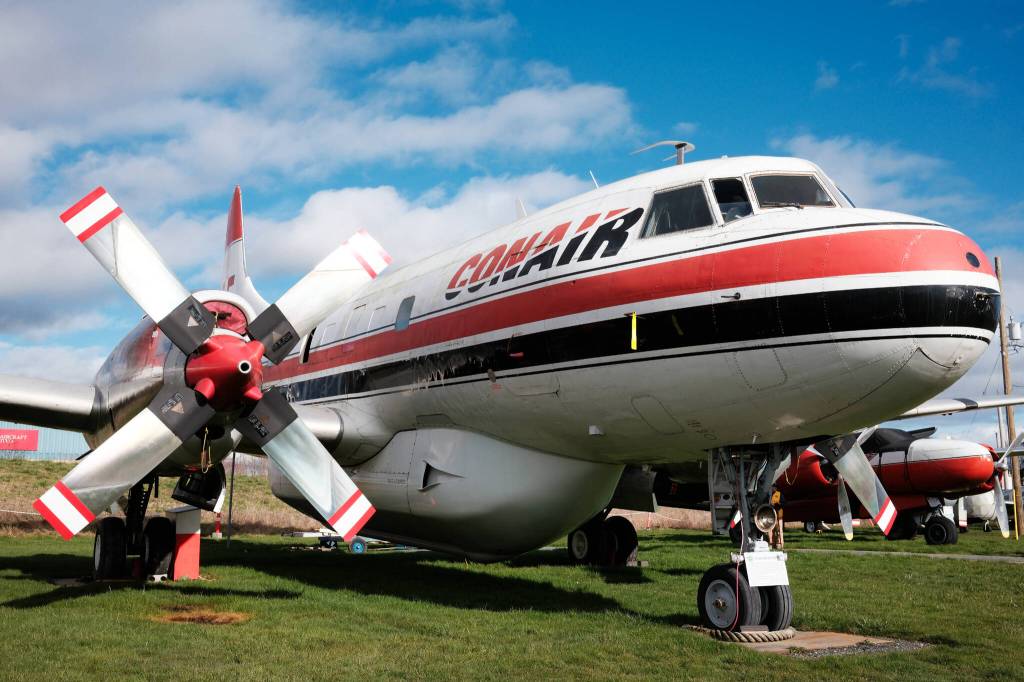
PHOTOS: B.C. Aviation Museum opens its cockpits to Greater Victoria residents
Rarely do people have a chance to climb into the cockpit of a historic aircraft, but that’s exactly what’s on offer this weekend at the B.C. Aviation Museum. The museum’s annual Open Cockpit Day returns Feb. 15 and 16 from 10 a.m. to 4 p.m., giving visitors a chance to access the flight decks and cabins of several vintage planes and chat with museum volunteers about the aircraft’s past. The admission-by-donation event gave the chance for attendees to tour a total of eight models, including the iconic red and white Hawaii Mars, a cherished resident of the museum since 2024. Now in its third year, the event expanded to two days after drawing thousands last year, with assistant director Emma McGugan calling the response “phenomenal” for what has quickly become a community favourite. “Normally we don’t let people into the cockpit, so it’s a fun opportunity to have people learn about what it means to sit inside and see all the instruments and just have that feeling beyond just looking at the aircraft,” she said. Among the attendees were Melissa Weber and Matt Wierzbicki who made the long drive from the East Kootenays exclusively to partake in this annual event. Matt Wierzbicki and Melissa Weber from the East Kootenays visited the museum on Feb. 15. (Olivier Laurin/Peninsula News Review) “I saw it online and I thought I would come here because they’re featuring so many interesting planes, especially the Hawaii Mars, which is probably the star of the whole show,” said Weber. Currently doing her pilot license, Weber explained that this opportunity was a one-of-a-kind for her, who has been a long-time plane enthusiast, wishing one day to fly a float plane like the Hawaii Mars. The event also offered visitors the chance to connect with like-minded volunteers who shared in-depth knowledge about the aircraft, their purpose and the engineering behind them. “When you get on a plane nowadays, you just kind of walk in, sit, and that’s it,” said Wierzbicki. “You’re not really getting the history and how things used to be back in the day.” Wishing to have this institution a bit closer to home, Weber described the museum as a provincial gem. “I’ve always heard that Victoria’s got all the planes,” she said. “I thought, ‘Well, I’ve got to go check it out and see if that’s true,’ and it’s absolutely right.” McGugan said the event also serves as a fundraiser to support future projects, including upgrades to the parking lot and plans to build another hangar. “We’ve grown so much in the last couple of years and we have a few projects that we really want to tackle, including our car park so that we can have more people be able to come,” she said. “And we’re hoping to build another hangar in the future as well, so those things are big projects coming up.” McGugan added that every donation will help preserve British Columbia’s aviation history for generations to come. “British Columbia is such a remote province, so without aircraft, so much is inaccessible,” she said. “So aviation has played a huge role in the history of the province.” To know more about the B.C. Aviation Museum and to donate, visit bcam.net .

Victoria’s U.S. neighbours wave hand of friendship as tension simmers
The small American city of Port Angeles is once again rolling out the red carpet for its Victoria neighbours. When passengers step off the first Coho sailing of the season on Feb. 19, they’ll be greeted onto dry land by locals from what some fondly call the “lost American suburb of Victoria,” complete with a Canada-themed celebration. Sam Grello, executive director of the Port Angeles Waterfront District, says the event is a chance to celebrate the longstanding bond between Port Angeles and Victoria, and the vessel that has connected the two communities for decades: Black Ball Ferry Line’s MV Coho. The celebration reprises a similar event held last year, organized in response to tariff threats from U.S. President Donald Trump and his repeated calls for Canada to become a 51st state. At the time, Grello had hoped the political rhetoric would prove short-lived. But over a year later, tensions between the U.S. and Canada continue to simmer, recently flaring again with Trump’s threat to block the opening of the Gordie Howe International Bridge between Windsor, Ont., and Detroit, Mich. Fearing the impact of the ongoing political strain on the relationship with their “good neighbours,” Port Angeles residents feel compelled to wave the maple leaf once more. “It’s unfortunate that we feel the need to have to do something like this again,” said Grello. “We’re a whole year into it; whereas before, it looked like maybe it was just going to be the ‘chaos of the day’ or ‘of the month.’” Since Trump launched his tariff war, Grello says Port Angeles has seen fewer Canadian visitors, with many choosing to stay north of the border for vacations and day-trips. According to Black Ball Ferry Line, vehicle traffic on the Coho dropped by around 18 per cent in 2025, while passenger traffic saw a 15 per cent drop. “Largely driven by fewer Canadians travelling down south,” said Jessica Wiersma, director of marketing. It was a shift that both the Port Angeles Waterfront District board and Destination Greater Victoria anticipated, says Grello. “Everybody realized … that 2025 was not going to be a great year for inter-community tourism,” he said. Pivoting their marketing dollars away from Vancouver Island, Grello says they instead focused on encouraging domestic tourism. “And we had a pretty good year,” he said. “But we miss Canadians.” It was a similar story for Greater Victoria. Numbers released by Destination Greater Victoria after the summer, suggested the region had seen its best tourism season in at least 10 years, buoyed by an ‘elbows up, Canada strong’ attitude. But Grello stresses the Coho welcoming party is not about encouraging Victoria folks to spend their tourism dollars south of the border, nor is it a protest about the U.S government. “We think that’s very gauche, and it is not the moment,” he said. Instead, the celebration is intended to help alleviate fears that Trump’s time at the White House may erode Victoria’s goodwill for its “lost suburb,” causing a “generational” change in travel habits. “If there’s three more years of this, that’s a pretty steady drumbeat of messaging,” said Grello. “That’s enough time for people’s long-term behaviours to change. “There is the very real possibility that in three years, the stink of what’s happening now will remain.” While the Coho will survive, says Grello, he fears the bonds and friendship may not. “That is a very upsetting prospect for a lot of people in our community,” he said. Similar to last year’s event, Coho passengers will be greeted by live music, cheeky signs and a ‘Ask an American’ booth where curious Canadians can chat with friendly Americans. There will also be a high school marching band and dignitaries from Port Angeles and Victoria. Grello hopes the message of friendship is clear. “There’s not much we can do to move the political dial, but there’s little things like this that we can do where we’re at least registering our distaste in what the conversation is right now,” he said. READ MORE: Trade Ryan Reynolds not tariffs: Victoria’s American suburb waves the maple leaf .
Parksville beaches off-limits to dogs to protect Brant geese migration
Parksville beaches within the Parksville-Qualicum Beach Wildlife Management Area will be temporarily closed to dogs for the annual Brant geese migration. Rathtrevor Beach will closed to dogs from Feb. 15 to April 30 and Parksville Bay Beach will close to dogs from March 1 to April 30, the City of Parksville advised in a news release. The Black Brant geese along Parksville’s shores are on a difficult journey of migration from California and Mexico to northern nesting grounds. The area’s beaches provide an abundant food source for Brant, which need to gain weight and strength before making another non-stop flight. A disturbance caused by something as simple as a child or dog running on the beach can have drastic effects on the geese while feeding. For this reason, Parksville beaches are closed to dogs on-leash and off-leash during the same time each year. Please note, the Parksville-Qualicum Beach Wildlife Management Area has regulations in place that dogs must always be leashed within the wildlife management area. Permanent and seasonal beach closures exist for pets along the shores of Rathtrevor Beach Provincial Park to protect migratory birds. The beach is closed to dogs from Feb. 15 to April 30. The sandy day-use beach along the east shore of the park is closed to pets year-round. Leashed pets are only permitted on the rocky north shore of the park from May 1 to Feb. 14. Questions should be directed to Report All Poachers and Polluters online , by phone 1-877-952-7277 and #7277 on the Telus mobility network. RELATED: Regional District of Nanaimo offers stewardship funding for watershed projects

Victoria coach bus terminal to close due to reduced demand
Due to reduced demand and changing times, the Wilson’s Group says they will be closing the Douglas Street Capital City Station bus terminal on Feb. 28. Since 2016, the station has been used by Greyhound, the YYJ Airport Shuttles, Tofio Bus Lines, the B.C. Ferries Connector and Grey Line Sightseeing after the closure of the former bus depot in downtown Victoria. Recently, fewer operators have been using the space since Greyhound Canada exited the market, the YYJ Airport Shuttle service wasn’t renewed after the pandemic, and many operators have looked at more efficient operating models to address rising business costs. As a result, Wilson’s Group says the operating costs of Capital City Station no longer align with the demand for its services. “Our plan is to move to a more modern, curb-side model for our B.C. Ferries Connector service,” noted Travis Wilson, chief operating officer for the Wilson’s Group, in a news release. He says it’s a move many other scheduled service operators are making with the rising costs of brick and mortar. Wilson’s Group says they plan to enable ticket sales directly through drivers, as well as through industry partners like Destination Greater Victoria’s Visitor Centre and local hotels. Tickets can also be purchased online at bcfconnector.com. “Our company spearheaded the opening of Capital City Station, and we’ve worked diligently as its owner to keep it operating over the years,” noted Wilson. “While it is unfortunate this decision had to be made, we are confident our customers will continue to receive the same level of service through alternative avenues, while allowing our tickets to remain competitively priced.”
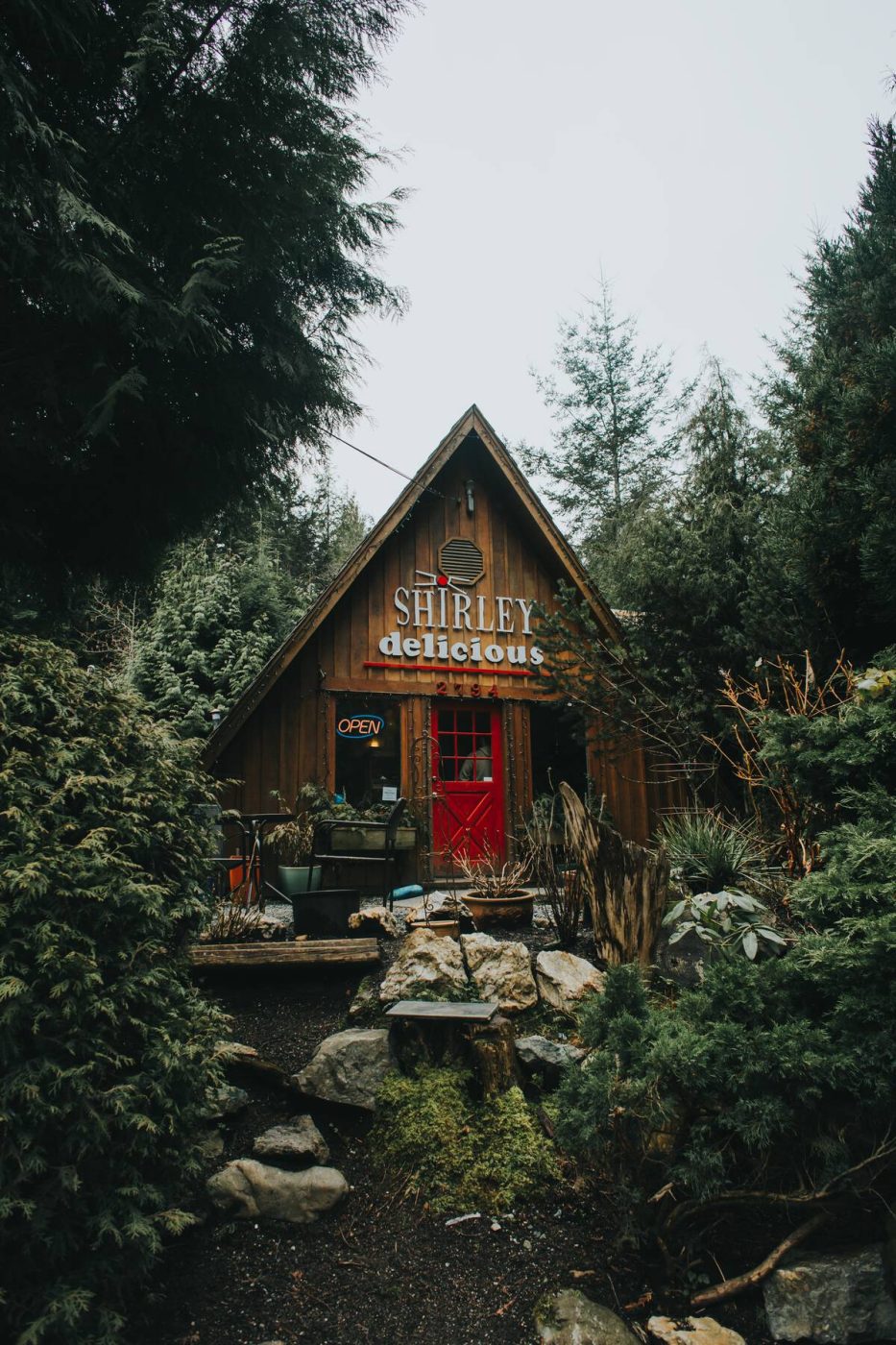
Tiny Town Tour – featuring the South Island Circle
Starting Point: Swartz Bay Ferry Terminal, Sidney * Sooke * Shirley * Port Renfrew * Lake Cowichan * Mill Bay * Malahat Ending Point: Swartz Bay Ferry Terminal, Sidney One of the most spectacular things about a visit to Vancouver Island is the diversity of tiny towns that are waiting to be discovered by the most curious travelers. In this itinerary, you arrive at Swartz Bay Ferry Terminal in Sidney, just outside of Victoria and travel the Southern route to discover some truly unique spots that are seldom seen on Vancouver Island. Tiny towns are especially special to visit- because you get to experience the island like a local. On this route, we travel down the coastline to visit some of the tiny towns that dot the west coastline of Vancouver Island, eventually cutting inland to some quaint outposts that aren’t to be missed. Swartz Bay Ferry Terminal to Sooke Travel Time by Car: 65 minutes Travel Time by Bike: 3.5 hours A seaside town with hidden charm, Sooke is a town full of artisans, hole-in-the-wall restaurants, and outdoor adventure. Travelers arriving from Victoria by bike will love the Galloping Goose Regional Trail network, connecting downtown Victoria to Sooke potholes. Eat: Enjoy a pourover coffee at Kaffewagen, a 1969 Volkswagen Bus serving some of the most delicious coffee in town. Foodies will love organic restaurant Wild Mountain, serving locally-inspired dishes made with coastal ingredients. Shop: Stop by the picturesque Marshall-Inman Gallery, which features artwork made on-site in their wood and ceramic workshops. The gallery is located near Otter Point on a llama farm, a very Vancouver Island experience. Stay: Sooke Harbor Resort & Marina features boutique-style townhome condos perfect for families of all sizes. Another option is the waterfront cottages at Salty Towers, featuring private cabins overlooking Sooke Harbour and the Olympic Mountain range. Explore: East Sooke Regional Park is full of epic hiking trails of all levels, making it a great spot for an outdoor adventure. Sooke Potholes Provincial Park is another popular destination along the Sooke River, featuring several river trails meandering through the forest. Sooke to Shirley Travel Time by Car: 15 minutes Travel Time by Bike: 1 hour A small hamlet just outside Sooke, Shirley is a tiny town that packs a punch. A gateway to the scenic beaches of West Coast Road, it’s a stop worth having. Eat: Shirley Delicious is perhaps what Shirley is best known for, a cafe in a cute a-frame that’s a photo-ready moment paired with good eats. Stoked Wood Fired Pizza features handcrafted wood fired pizzas alongside a market of local goods. Stay: French Beach Provincial Park offers camping spots, hiking trails, and more right on the ocean. Alternatively, find one of the many B&Bs in the area including Foggy Mountain B&B, where you’ll also get a chance to see Foggy Mountain Forge, Marty Gilbertson’s blacksmith’s shop and gallery. Explore: Sheringham Point Lighthouse is located just down the road from Shirley Delicious, a picture perfect lighthouse that’s a beacon on this coastline. If you opted not to camp at French Beach, try a hike in to see the stunning beach for yourself. Shirley to Port Renfrew Travel Time by Car: 1 hour Travel Time by Bike: 4 hours Port Renfrew, or “Renny” as it’s affectionately called by locals, is located on the inlet of Port San Juan about as far west coast as you can go. As the “Tally Tree Capital of Canada”, the wild will call to you on any visit to this impressive wilderness destination. Eat: The Renfrew Pub is a go-to for locals and visitors alike, boasting a large menu and a great place to rest and take in the waterfront views. Pie-ro pizza features wood fired pizzas, a fantastic takeaway option if you’re looking for something on the go. Stay: Wild Renfrew is the go-to place for the weary traveler in need of rest and relaxation in a wilderness setting. One of our favorite new additions to Wild Renfrew’s offerings is their luxury tents, which include a private sauna and outdoor shower not to be missed. Explore: Lovers of Port Alberni’s Cathedral Grove will be awe-stricken by Avatar Grove, a cluster of old growth forest located in Gordon River Valley just outside Port Renfrew. Botanical Beach is another must-see as it’s one of richest intertidal zones on the West Coast, perfect for tide pool exploration. Port Renfrew to Lake Cowichan Travel Time by Car: 1 hour Travel Time by Bike: 4 hours Taking the back road to Lake Cowichan through towering trees and quiet highways, Lake Cowichan is a mountainous area just outside of Duncan that’s rich in wildlife and adventure filled with warm lakes, sandy beaches, and a cute town to boot. Eat: The Farm Table Inn is an adorable restaurant and B&B that’s nestled in nature, serving local, organic, and house-made food. Deep Fried Ice Cream is a must-stop for you guessed it- deep fried ice cream. A shop with that perfect small-town feel, their menu also includes delicious eats including poutine and fish & chips. Stay: Cowichan River Lodge is an idyllic fishing and retreat lodge that is a marvelous place to take in the outdoors from the comfort of a rustic-feeling, yet luxurious lodge in the wild. Gordon Bay Provincial Park is one of our favorite spots to pitch a tent in the region. Explore: Honeymoon Bay Ecological Reserve is a stunning walk that’s perfect for all levels, featuring old growth canopies and moss-covered trees. Skutz Falls is a wonderful set of trails that boasts views of river rapids, and is a perfect perch to watch spawning salmon running down the man-made fish ladder. Lake Cowichan to Malahat Travel Time by Car: 50 minutes Travel Time by Bike: 4 hours ‘The Malahat’ is the term commonly applied to the Malahat Drive, a 25 km portion of the Trans Canada Highway 1, just outside the community of Mill Bay. Named after the Malahat First Nation, this area of Vancouver Island boasts rugged and heavy forests with steep and towering cliffs that provide it with one of the best roadside views on Vancouver Island. Eat: Bru-Gros Coffee in Mill Bay is a perfect stop on route to the Malahat, don’t forget to grab a donut with your coffee. Alpina Restaurant by Villa Eyrie has one of the most remarkable views of the Malahat, and a stunning menu of local-inspired food in a luxury setting. Stay: European-inspired Villa Eyrie is one of the island’s most stunning hotels, set upon a cliff overlooking the Malahat and surrounding islands. Cedar Springs Ranch is a camping spot paired with wood bunkhouses that is a great choice when you want to stay close to nature. Explore: Goldstream Provincial Park is located right off the highway featuring trails alongside the river through deep forests and marshland. The Malahat Skywalk is the area’s newest destination activity, featuring a spiral wooden ramp leading up to a 32-meter viewing deck with a panoramic view of the surrounding inlets and mountain ranges. Malahat to Swartz Bay Ferry Terminal Travel Time by Car: 1 hour Travel Time by Bike: 4 hours
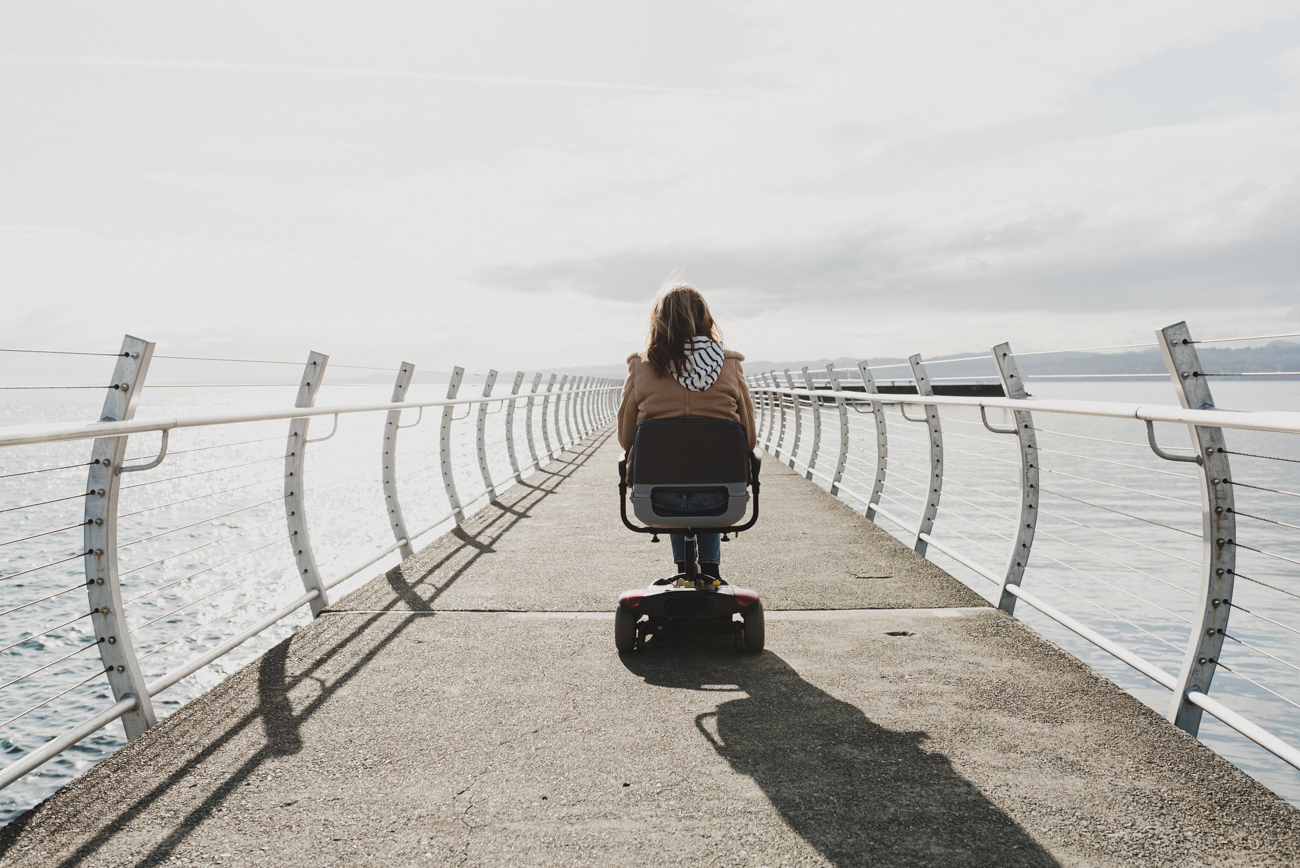
Accessible Travel Guides project
Cathedral Grove, photo by Lexa Bergen 4VI supports diversity, equity and inclusion in Destination Marketing. To best serve travellers of all abilities, 4VI, together with Community Destination Marketing Organization partners, has developed digitally available guides for consumers on accessible tourism products within each Vancouver Island community, and travel information for the traveller with physical mobility considerations or other barriers. To support the development of Accessible Community Guides for travellers, 4VI coordinated an image and video acquisition project featuring models with disabilities. ABOUT THE PROJECT The Vancouver Island Accessible Travel Guides are crafted by travellers with disabilities (both visible and invisible) to provide recommendations and share trip considerations. The information provided is based on consultations with accessibility experts, as well as first hand experience at the time of our visit. The experiences will be different for each traveller and we hope this information will ease some of the trip planning. If you’d like any specific details from the participating communities or businesses, we encourage you to reach out to them directly. ABOUT THE TEAM Lexa Bergen Project Lead & Producer, Disability Advocate, Ally and Photographer Having experienced Chronic Illness and disability for many years of my life I have an empathetic understanding of the challenges one can experience when adaptations are required in day to day life and when traveling. As an Advocate I work to bring more equitable experiences for those requiring adaptations in our community and culture so that we may all show up and live our most expansive lives. This project has been an absolute joy and privilege. Meeting and engaging with a scope of individuals to promote and connect over accessibility has been enlightening and motivating. Graham Dorsay, Dorse Media Videographer This project really opened my eyes to the importance of creating accessibility for all. As a Filmmaker, it was incredible hearing the stories of every model for these trips. I’m encouraged to see the ways businesses, parks, and organizations are adapting their spaces to ensure everyone can enjoy them. Robin Whyte, Bio 4VI Written Content and Model My name is Robin Whyte and I was born and raised on the Saanich Peninsula, on beautiful southern Vancouver Island. An extrovert by nature, I love to get out and enjoy all that I can, whether that is Victoria’s vibrant culinary scene, local wineries, theatre, concerts, sporting events, and all things wild and natural. I have MS, and use a small mobility scooter to get around. On my website, “Girl About Town: Accessible Victoria”, I post reviews of local restaurants and attractions, and their accessibility from the perspective of a person in a wheelchair. I created this site for other folks with mobility challenges to access critical information regarding infrastructure that isn’t always accessible. I am an Accessibility Consultant and a Disability Advocate. I am passionate about accessibility because universally designed spaces work for everyone. Stay tuned for more.

Spring Awakening: Things to do on Vancouver Island this Spring
Sun showers, blooming wildflowers, and buzzing bees- these are just a few things that we love most about spring. Spring on Vancouver Island is an enchanting time of the year. Full of fresh greenery, blossoms enveloping the landscape, and longer days with lighter evenings- there’s a reason it’s one of the most popular times of year to visit the island. And as the weather warms up, there are new activities and places to discover on every corner of the island. In this article, we’re sharing some of our favourite things to do on Vancouver Island on a springtime trip. -------------------------------------------------------------------------------- SOUTH ISLAND SPRING ACTIVITIES Victoria: Fire Pits in the Orchard at Bilston Creek Farm Enjoy early spring’s beauty at stunning Bilston Creek Farm with their outdoor orchard fire pits. Featuring house made lavender marshmallows, a complimentary s’mores kit and roasting sticks- this outdoor activity is perfect for a date night or family-friendly activity. Book your fire pit experience at Bilston Creek Farm online for April. Sooke : Sooke Country Market Starting April 21st, head to Sooke for the Sooke Country Market happening every Saturday from 10am-2pm throughout the summer and early fall. Featuring locally grown vegetables, artisan-made crafts, baking, art, and more- it’s a great opportunity to shop local and get outside. We recommend checking out East Sooke Regional Park while you’re exploring the area, a great coastal park for a springtime walk. Victoria: Do a Self-Guided Garden Tour [Do a Self-Guided Garden Tour of Vict] Victoria is filled with incredibly diverse gardens that each offer something unique to fans of floral blooms. Our recommendation for enjoying all of them is to create your own garden tour, and see the variations that each garden offers visitors. Some of the gardens we recommend adding to your itinerary include: * The Butchart Gardens: Featuring 55-acres of blooming varietals including tulips, magnolias, and daffodils * Abkhazi Gardens: This picturesque 1-acre garden blends into its surroundings and is a true highlight of Victoria’s natural landscape and native blooms. * Hatley Castle Gardens: Transport yourself into a fairytale as you wander the castle’s impeccable gardens- the cherry blossoms in bloom are a favourite springtime occurrence here. * Horticulture Centre of the Pacific: Wander through over 9-acres of incredible garden delights. A favourite stop here is the remarkable Bonsai Garden, an outdoor display of more than 60 bonsai trees. Victoria: Pet a Goat at Beacon Hill Children’s Farm Now open for the season, Beacon Hill Children’s Farm is a perfect afternoon activity that’s fun for, quite literally, everyone. Featuring goats, pigs, sheep, miniature donkeys, and more- the park is open daily this spring. Located within the grounds of Beacon Hill Park just outside of downtown Victoria, the park is within walking distance from most hotels in central Victoria. Admission is by donation, and booking is not necessary to visit the farm. Esquimalt: Esquimalt Farmers Market’s Evening Market at Memorial Park On Thursdays, head to Memorial Park for the Esquimalt Farmers Market. The perfect evening spot to grab some locally made food, drinks, and crafts- the market is a great way to spend a warm and sunny afternoon in Greater Victoria. Some of the featured vendors and food trucks include Ciccio’s Cucina , Bird & Basket Food Truck , Digable Roots Farm , and Sea Cider Farm & Ciderhouse . -------------------------------------------------------------------------------- SPRING IN COWICHAN Ladysmith: Visit Yellow Point Farms Now open for the 2024 season, Yellow Point Farms is the perfect spring destination to explore. Whether you’re picking up locally-made goods at their Farm Store, or stopping by their interactive barnyard and petting farm to cuddle a goat, sheep, mini donkey, or mini horse- there is so much to explore at this fantastic farm destination. Cowichan: Build Your Own Wine & Cider Tour Cowichan is home to over a dozen incredible wineries and cideries that make it a must-see destination for vineyard enthusiasts. A great way to experience the region’s immense horticulture and vineyard diversity, we recommend picking some of your favourite stops and making your own vineyard tour. Here are a few favourites we’d recommend adding to your itinerary. * Averill Creek Vineyard: Features complimentary wine tastings, you can also pre-order a picnic lunch to enjoy with a bottle on their beautiful grounds. * Rocky Creek Winery: A family-owned business, their outdoor area is absolutely breathtaking to enjoy wine in the bliss of spring’s fresh air. * Merridale Cidery & Distillery: Merridale features an onsite restaurant and heated patio, so it’s a great spot to hit on some of those colder spring evenings. Don’t miss their live music every Saturday and Sunday, bookings are recommended. Cowichan: Take a Self-Guided Walking Tour through History One of the best things about a spring trip to the Cowichan Valley is that there are plenty of walking itineraries that make it easy to explore the region by foot. In Duncan, take on the Duncan Totem Tour Walk located in the traditional territory of the Quw’usun’ (Cowichan) people, which features an extensive collection of publicly displayed totem poles throughout Duncan’s downtown area. And in Chemainus, don’t miss a tour of Canada’s Mural Town featuring murals speckled throughout the area alongside signage that makes it easy to follow along. Cowichan: Enjoy the fresh air with a round of golf Thanks to the Cowichan region’s maritime mediterranean climate zone, the area boasts the warmest mean year-round temperature of anywhere in Canada. This makes golfing a perfect spring activity, filled with stunning greens and incredible vistas to take in after you swing your clubs. Check out some of the highlighted golf courses to explore in the Cowichan Valley here . -------------------------------------------------------------------------------- SPRING IN THE SOUTHERN GULF ISLANDS Salt Spring Island: Studio Tour on Salt Spring Island Art enthusiasts will love the opportunity to visit the studios of the incredible artists that call Salt Spring Island home. With over a dozen artists featured on the Salt Spring Studio Tour , create your own itinerary and visit the studios of these makers and artisans on your next trip to Salt Spring. The tour is a great way to encourage you to explore hidden corners and learn a bit about the life of locals that call Salt Spring home. Galiano Island: Explore the Island by Two-Wheels One of the best ways to experience Galiano Island in the springtime is by slowing it down on two-wheels. Galiano Adventures offers moped (scooter) rentals as well as eBikes so you can explore the island and enjoy the fresh air at the same time. A great way to slow things down, take in the scenery, and try something new while visiting the island. Pender Island: Explore protected coves by kayak With warm rocky beaches and rolling farmlands, Pender Island is a charming destination that should be on every island-hopping itinerary in the springtime. A favourite way to explore the island’s hidden gems is by kayak, where you can experience the calm tidal zones and protected coves that call Pender Island home. Kayak Pender Island is a great place to start your kayaking adventure, with plenty of tour options to choose from for all levels of experience. Mayne Island: Go Birding on Mayne Island Keen birders will love exploring Mayne Island and spotting new birds to add to their journals. Spring is a great time to visit and enjoy the variety of birds that call Mayne Island Home. With songbirds, loons, swans, murrelets, and more- the Mayne Island Conservancy is a great place to start if you’re interested in knowing more about the birds of Mayne Island. Check out the BC Bird Trail for more birding tips throughout the island region. -------------------------------------------------------------------------------- MID-ISLAND SPRING ACTIVITIES Nanaimo: Pitch ‘n Putt at Beban Park A fantastic way to spend a sunny spring afternoon with friends and family, take on Beban Park ’s 3-par golf course and driving range. A simple and easy course for golfers of all experience levels, there are only 11 holes with short fairways making it accessible for visitors of all ages. Tahsis: Seeking Adventure? Go Caving and Bouldering Arguably Canada’s caving mecca, caving enthusiasts from around the world come to the hidden gem of Tahsis to explore more than 50km of passages found in the mountains around town. There are several guided excursions that can take you through various formations and cave sites, and experienced cavers can also choose their own adventure and create a self-guided itinerary that’s a perfect fit for their experience level. Gabriola Island: Visit Paradise Island Alpaca Farm Idyllic Gabriola Island is a short ferry trip from Nanaimo, and a visit with Paradise Island Alpaca Farm is a must on any spring trip to the island. A free activity that’s fun for the whole family, this family-run farm features alpacas, llamas, goats, and miniature horses. During the spring, they are only open on Saturdays making it a great activity to add to your weekend itinerary. Comox Valley: Enjoy the agricultural delights at the Comox Valley Farmers Market Comox Valley features a year-round market on Saturdays that moves outdoors to the Comox Valley Exhibition Grounds every April for the spring and summer season. An agricultural-based farmers market, their vendors include farmers, bakers, herbalists, and select liquor vendors who all craft their products within the Comox Valley region. This is a fantastic place to stock up for a springtime picnic, and to shop locally while visiting the Comox Valley region. Qualicum Beach: High Tea at Milner Gardens & Woodland The seaside gardens of Milner Gardens is a great place to watch spring’s early blossoms in the Parksville/ Qualicum area. Make sure you plan a stop at the onsite Camellia Tea Room located in the historic Milner House for high tea and a rotating array of freshly baked treats. -------------------------------------------------------------------------------- NORTH ISLAND SPRING ACTIVITIES Port Hardy: Bird Watching in the Spring Port Hardy is a mecca for bird watching on Vancouver Island. As a major flyway for thousands of species of migratory birds, it’s an excellent destination for birders of all experience levels. Their natural watersheds are a critical habitat for many species making the whole area a birder’s delight. Some of our favourite spots for bird watching in Port Hardy include the Quatse River Estuary viewing platform, and the Fort Rupert Trail located off Storey’s Beach. Telegraph Cove: Visit Telegraph Cove’s Historic Boardwalk The community of Telegraph Cove and Telegraph Cove Resort is open seasonally between May and September, making it a great spring trip before summer’s peak season. As one of the best kept secrets on Vancouver Island, a visit to their historic boardwalk is perfect for any North Island itinerary. On the boardwalk you can find several restaurants, tour operators, and historic homes that you can book a stay in. Broughton Archipelago: Find Grizzly Bears on Vancouver Island Starting in May, Tide Rip Grizzly Adventures begins their seasonal tours in search of grizzly bears, whales, and other animals that call North Vancouver Island home. In early spring as the winter snow melts, black bears and grizzly bears emerge from their hibernation and feed on the exposed inlet beaches. Adventure through Knight Inlet with Tide Rip in a comfortable boat with a qualified Naturalist Guide. Holberg: Visit a Hidden Garden Nestled in the Rainforest: Ronnings Garden was quite literally carved out of the rainforest, and is a hidden gem not to be missed when travelling to North Vancouver Island. Bernt Ronning crafted this homestead garden over a century ago, clearing five acres of rainforest to plant a wilderness garden. The garden is volunteer-maintained, featuring daffodils, bluebells, rhododendrons, bamboos, and more. Located in the remote village of Holberg, you’ll need a car that is safe for rough logging roads to venture to Ronnings. -------------------------------------------------------------------------------- SPRING IN THE PACIFIC RIM Ucluelet: [Ucluelet:] Visit a Catch & Release Aquarium Opening in March each year, the Ucluelet Aquarium highlights the incredibly diverse marine life that calls the waters of Barkley and Clayoquot Sounds home. Their mission is to raise awareness about local marine biodiversity by offering innovative marine displays, touch tanks, and educational opportunities for visitors of all ages. At the end of the season, the Ucluelet Aquarium releases its visiting animals back into the wild with their catch and release philosophy. Tofino: Spring Surf in Tofino Tofino is an excellent destination to visit in the springtime, especially if you want to avoid the crowds. The sun breaks through the clouds, and the water warms slightly leaving it a great opportunity to try surfing or stand-up paddle boards. For beginner surfers, spring can be a great time to try surfing as the water isn’t as crowded so you can practise your skills comfortably. Beginners can take a lesson from any of Tofino’s lesson hubs including Surf Sister , Pacific Surf Co . or Long Beach Surf Shop to name a few. Port Alberni: Take a Self-Guided Tour of McLean Mill A perfect spot for a spring stroll, McLean Mill National Historic Site is open year-round for self-guided tours. Pack a picnic and spend the day exploring the grounds at your own pace. You can grab a map at the Mill Store to plan your own adventure. --------------------------------------------------------------------------------
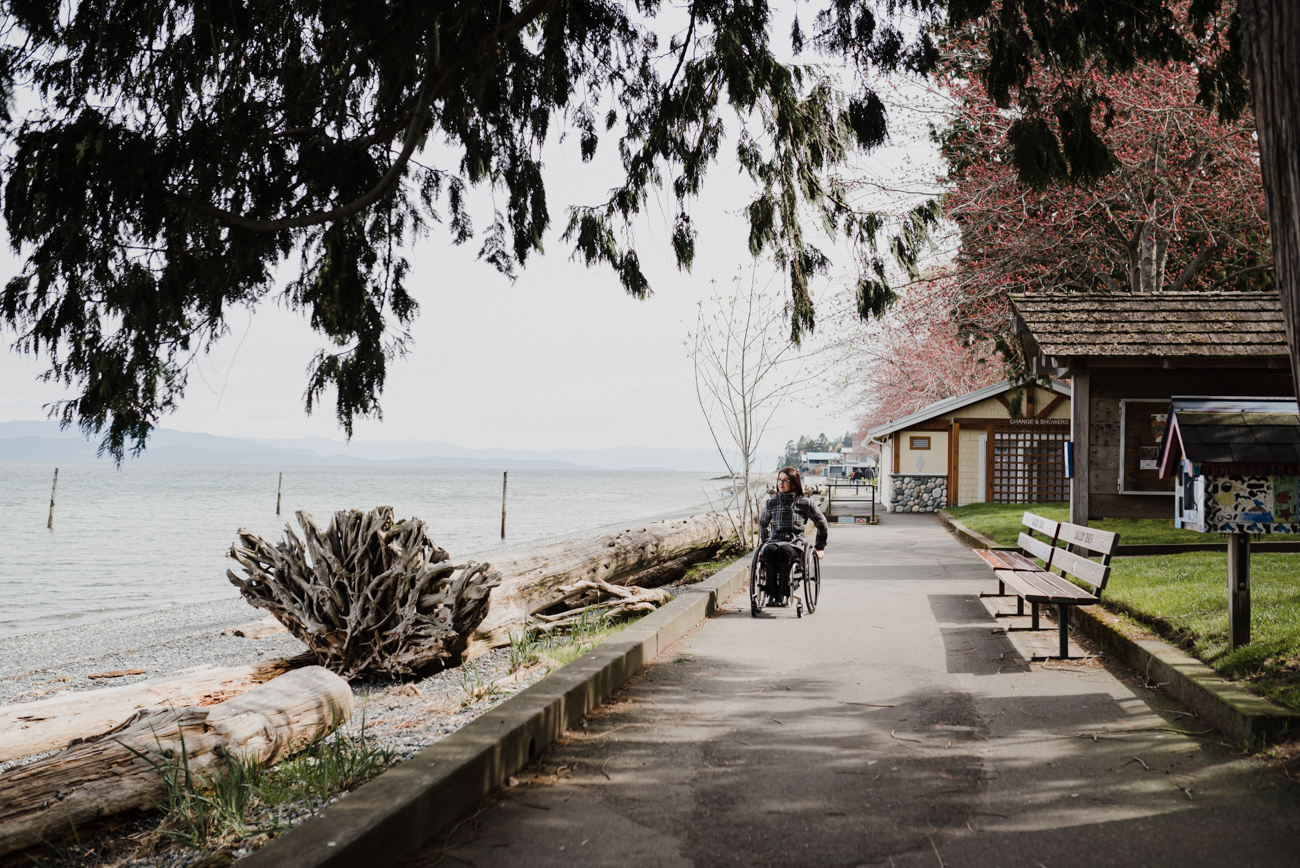
Accessible Places to See Flowers Bloom on Vancouver Island
One of the most magical things about springtime on Vancouver Island is witnessing the flowers in bloom. We are so fortunate that thanks to our mild climate, Vancouver Island has a bountiful number of gardens to enjoy spring blossoms. On Vancouver Island, we want to ensure that we鈥檙e sharing experiences that offer equitable, inclusive, and accessible tourism opportunities for all to enjoy. In this article, we鈥檙e sharing some gardens that offer accessible access to their remarkable floral and fauna displays. Experiencing a Vancouver Island garden in full bloom should be on everyone鈥檚 bucket list, and while these experiences will be different for each visitor, we hope that this information can act as a guide to experience spring in full bloom in Vancouver Island as an inclusive travel destination for all. Please note- the information provided is based on consultations with accessibility experts, as well as information from our partner websites. If you鈥檇 like specific details from any of these businesses or destinations, we encourage you to reach out to them directly as the information may change and vary for different abilities. Check out the Vancouver Island Accessible Travel Guide video at the bottom of this page for more! -------------------------------------------------------------------------------- BUTCHART GARDENS South Island: Victoria The Sunken Garden at Butchart Gardens, taken by @localwanderer No trip to Victoria is complete without a visit to the century-old Butchart Gardens. Filled with lush greens and an abundance of spring flowers, the garden is an oasis for all visitors. For accessible travel, because the gardens were built over 100 years ago, some pathways are narrow and steep; however the garden has built alternative routes for wheelchair and scooter users. We suggest picking up a visitor map on arrival, and noting all signage as you embark on your tour of the gardens. All of the restaurants, gift stores, and carousels are wheelchair accessible and close parking is available upon request. The gardens also feature complimentary loaner wheelchairs, however we caution that they do not feature hand brakes. CARROT PARK North Vancouver Island: Port Hardy Located on the harbour in central Port Hardy, Carrot Park features stunning waterfront views and manicured lawns to enjoy. For wheelchair and scooter users, there鈥檚 a 400m paved waterfront promenade that offers breathtaking views of the harbour and surrounding greenery. CHINESE MEMORIAL GARDENS PARK Mid-Island: Nanaimo A stunning p[ark featuring a Pagoda structure, plentiful mature trees and shrubs, as well as floral blooms- this hidden gem is a must-add to any Nanaimo itinerary. Relax in the tranquil garden surroundings located just outside of downtown Nanaimo with panoramic views of Newcastle Chanel. The gardens are wheelchair and stroller accessible. COMMUNITY BEACH PARK Mid-Island: Parksville Community Beach Park – Photo by Lexa Bergen An island hot-spot for spring strolls and beach hangs, Parksville鈥檚 Community Beach Park features wheelchair friendly boardwalks and pathways, as well as dedicated accessible parking spots. There are plentiful trees to enjoy in the springtime, with changing blooms and colours regardless of the season. GOVERNMENT HOUSE GARDENS South Island: Victoria On the grounds of Government House, pathways connect a series of gardens that feature native and foreign plants and flowers in an array of shapes and colours. Maintained by a dedicated group of volunteers, the grounds are open daily and all formal garden areas are wheelchair and stroller accessible. MAFFEO SUTTON PARK Mid-Island: Nanaimo Maffeo Sutton Park – Photo by Lexa Bergen A gem located just outside Nanaimo鈥檚 downtown core, Maffeo Sutton Park is fully wheelchair-accessible and a fantastic place to take in spring鈥檚 blooms. A perfect place to enjoy the fresh spring air and take in beautiful scenery, the park hosts several festivals and events throughout the spring and summer season. Accessible travellers with kids will love the inclusive playground designed with some wheelchair accessible features. MERRIDALE CIDERY & DISTILLERY Cowichan Valley: Cobble Hill Merridale Cidery & Distillery – Photo by Lexa Bergen Nestled within the beautiful Cowichan Valley, Merridale is an incredible place to take in spring blooms. Home to a 20-acre apple orchard, the blossoms can be seen throughout their grounds. The property and buildings are wheelchair friendly and barrier-free, with the exception of outdoor seating in the lower level. There are walking trails throughout the orchard, with much of the grounds paved and level alongside designated accessible parking areas. MILNER HOUSE & CAMELLIA TEA ROOM AT MILNER GARDENS Mid-Island: Qualicum Beach The breathtaking Milner Gardens fills with springtime blooms, and having tea at the Camellia Tea Room located in the historic Milner House is a must on any visit to the area. For accessible travel, there are three accessible parking stalls as well as accessible washrooms near the Welcome and Interpretive Centre. Following parking, there is a 6-8 person shuttle cart that can accommodate collapsible wheelchairs, walkers, or strollers to the Milner House and Camellia Tea Room. The grounds of Milner Gardens are challenging for wheelchairs and walkers, with slopes of packed gravel so an accessible visit to the gardens is only recommended to visit the Milner House and Tea Room. For additional key information, contact Milner Gardens directly. OGDEN POINT BREAKWATER South Island: Victoria Ogden Point Breakwater – Photo by Lexa Bergen Head to Ogden Point鈥檚 Breakwater Walkway for coastal views of Victoria you won鈥檛 want to miss. Featuring a 2500 ft (762 metre) long wheelchair and scooter accessible pathway, it鈥檚 an excellent spot for all abilities. The trail starts at Dallas Road, and features several trees and plants of varying floral and fauna throughout the pathway. PORT MCNEILL MUNICIPAL MARINA North Vancouver Island: Port McNeil Port McNeill Waterfront – Photo by Lexa Bergen The Government Wharf, otherwise known as the Port McNeil municipal marina, is located in the town of Port McNeil right on the harbour. Cherry blossom fans will love the floral trees in bloom in early spring that line the coastal pathways. For accessible travel, the seawall, grassy area, and pathways around the wharf are all wheelchair accessible and are fantastic for sightseeing and experiencing spring鈥檚 fresh air. There is also a designated accessible parking spot located in the parking lot of the information centre. VICTORIA BUTTERFLY GARDENS South Island: Victoria Butterfly Gardens – Photo by Lexa Bergen Located in Central Saanich, the Victoria Butterfly Gardens are a must-stop on any spring trip to South Vancouver Island. While the gardens are home to thousands of tropical butterflies, they also feature tropical flowers, tortoises, birds, and a bounty of carnivorous plants and fruits from around the world. The gardens feature an abundance of wide wheelchair and scooter accessible pathways. -------------------------------------------------------------------------------- Vancouver Island Accessible Travel Guide
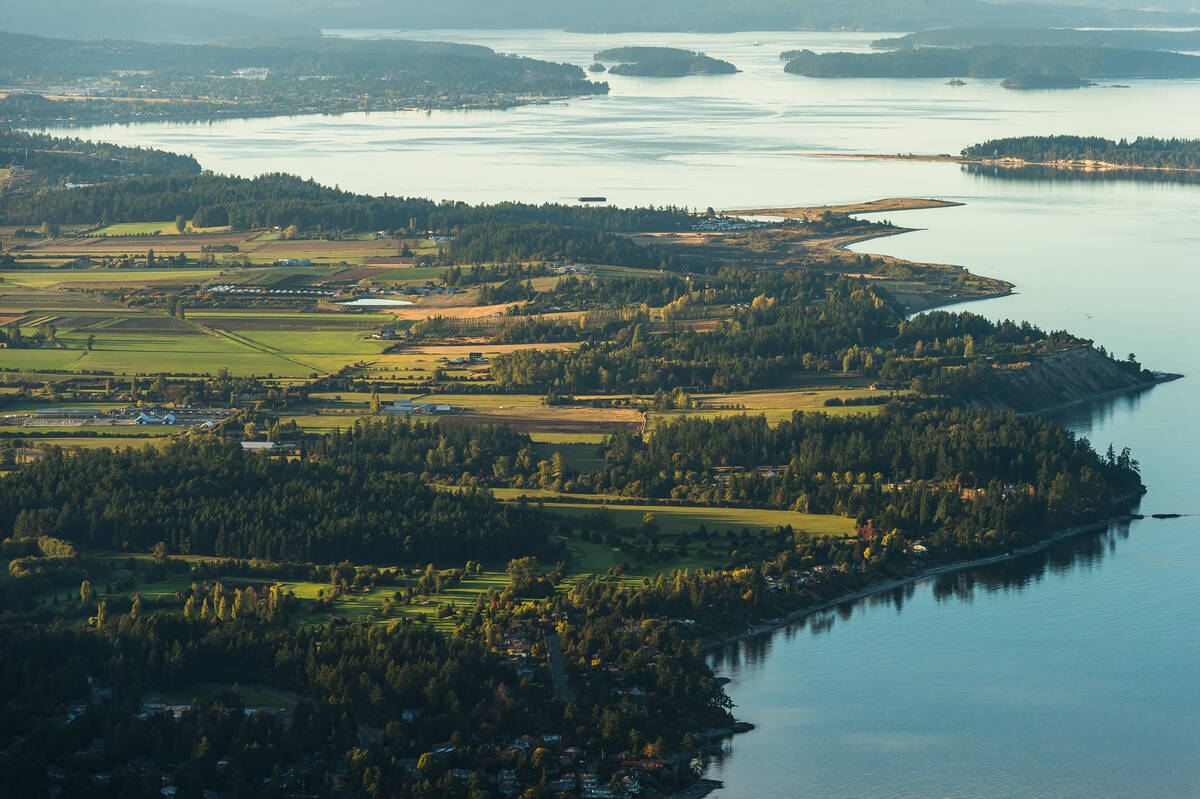
Vancouver Island Summer Status
It has been a hot and dry start to the summer season! You may have heard on the news that there are a significant number of wildfires in the Vancouver Island Region. While there are wildfires on the Island and in BC, the Vancouver Island Region is open for travel and the fires, though serious, are smaller in scale. We did want to mention that unfortunately all of the fires on Vancouver Island are suspected to be human-caused, and would like to take this time to remind you to be Fire Smart on your travels. Always check Drive BC and the BC Wildfire Service map before you head out. BC Wildfire Resources Alerts & Bulletins from Emergency Info BC Below are a few tips on how to be Fire Smart: * Respect the Coastal Fire Ban by all means. No open fires are permitted on Vancouver Island. * If you see someone disobeying the ban, call it in to 250-951-4209 or *5555 on your cell. * If you see signs of a fire, dial *5555 on your cell. * Hold onto your butts! Cigarette butts are a leading cause of wildfires. Please use an ashtray, make sure your cigarette is fully extinguished, and dispose of the remnants properly. * Avoid using all-terrain vehicles (ATV) and power tools in off road areas. * Fireworks can easily spark a fire. It is smart to avoid using fireworks during the fire ban. Plan, prepare, stay informed: * Wildfires can be unpredictable. Have a plan, be prepared, and stay informed. * Always leave a trip plan with at least two people. * Pack extra water and snacks in your car and on your travels. * Obey restrictions and authorities. Learn More from Adventure Smart BC Best Practices From the Don’t Love it to Death Campaign The province provided an update on the wildfire and drought situation across B.C. on Tuesday, July 18 as Vancouver Island reached drought level 5, the most severe level on the scale. Tips on water consumption: * Keep showers to five minutes or less * If washing dishes by hand, fill the sink rather than let the water run freely * Instead of running the tap, keep a jug of cool water in the fridge * Turn off the tap when brushing your teeth or shaving * Only do full loads of dishes and laundry PLAN YOUR TRIP AND EXPLORE THE REGIONS ON VANCOUVER ISLAND South Island Cowichan Southern Gulf Islands Nanaimo to Campbell River North Island Pacific Rim Sunshine Coast
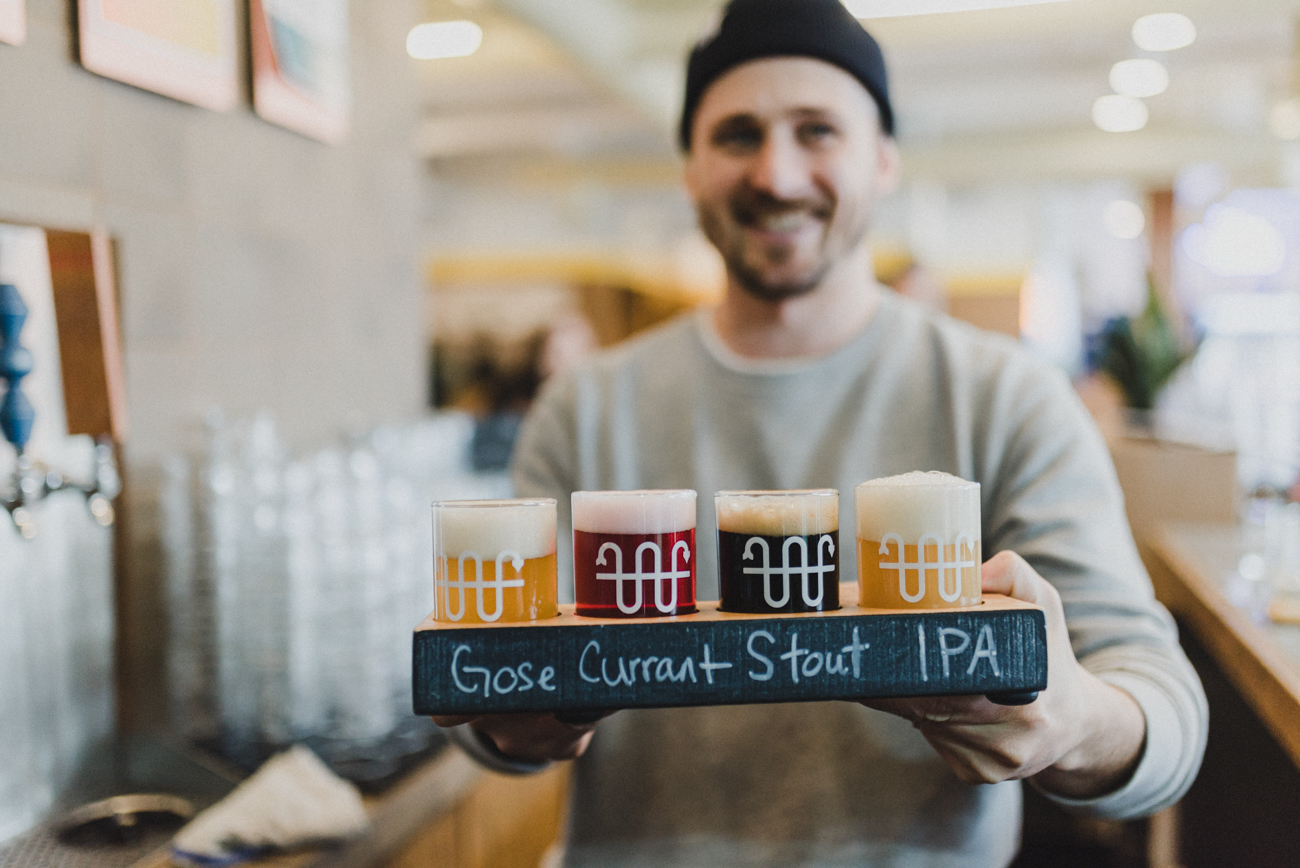
Crafting Excellence: Celebrating the Craft Breweries on Vancouver Island
When it comes to craft beer, Vancouver Island is a destination that stands out. This picturesque island on the southwestern coast of British Columbia, Canada, has earned a reputation as a craft beer paradise. With its stunning natural landscapes and a thriving craft beer scene, Vancouver Island has become a hub for beer enthusiasts from around the world. In this blog post, we’re here to celebrate this forward thinking industry and acknowledge the wins at a variety of 2023 Awards. THE ISLAND’S BEER REVOLUTION Vancouver Island has been at the forefront of British Columbia’s craft beer revolution. Over the past decade, there has been an explosion of craft breweries popping up across the island. Today, you can find more than 40 craft breweries on the island, each offering a unique blend of flavors and experiences. BREWERIES BEYOND VICTORIA While the capital city, Victoria, has a vibrant craft beer scene, the craft brewery love extends beyond its borders. Vancouver Island boasts breweries in towns and cities such as Nanaimo, Comox Valley, Cowichan, Parksville Qualicum Beach, Tofino, Ucluelet and Port Alberni. Each of these locations offers a unique setting and a distinct craft beer experience, often reflecting the local culture and environment. The brewery locations range from urban taprooms in the heart of the cities to rustic, seaside establishments with stunning ocean views. COMMUNITY AND SUSTAINABILITY What truly sets Vancouver Island’s craft breweries apart is their commitment to the community and the environment. Many of these breweries source local ingredients, support local charities, and focus on sustainable brewing practices. It’s not just about beer; it’s about being good stewards of the land and fostering a sense of togetherness. Collaboration is also key, as our breweries collaborate with each other to craft small and large batch unique offerings. This past summer, when a wildfire took out access to the west coast on Highway 4, we saw the ultimate demonstration of community in this industry, when the owner of Cumberland Brewing Company jumped in his Cessna and delivered hops to Twin City Brewing in the cut off community of Port Alberni. Vancouver Island’s craft beer scene is a testament to the island’s natural beauty, innovative spirit, and community values. The plethora of breweries, each with its unique identity and flavors, makes the island a craft beer enthusiast’s dream destination. Whether you’re exploring the historic streets of a city or enjoying the coastal scenery of the coast, there’s a craft brewery waiting to share its passion for beer with you. 2023 CANADIAN BREWING AWARDS The Canadian Brewing Awards invites Canadian majority-owned breweries of all sizes to compete in a Beer Judge Certification Program (BJCP) sanctioned blind tasting determining the best beers in 59 style categories. A Canadian Brewing Award medal is a widely recognized symbol of Canadian brewing excellence. With over 800 breweries coming together to compete for a chance to win a coveted medal in one of the 59 categories, take a look at the Vancouver Island breweries who scored a top spot: Whistle Buoy Brewing Co. Market Square, Lower Courtyard, #63, 560 Johnson St, Victoria, BC Category: Historic/Regional Beers Award: Silver Beer: Garden City Fieldberry Ace Brewing Co. 150 Mansfield Dr, Courtenay, BC Category: Specialty IPA Award: Bronze Beer: Cold IPA Twin City Brewing Co. 4503 Margaret St, Port Alberni, BC Category: Experimental Beer Award: Bronze Beer: Bottlecap Cherry Cola Sour Category: American-style Sour Ale Award: Bronze Beer: Unicycle Sour IPA w/ El Dorado Category: German-Style Sour Ale Award: Silver Beer: Obscura Berliner-Style Weisse w/ Plum Category: Belgian-Style Dubbel or Quadrupel Award: Bronze Beer: Nocturne Belgian-style Quadrupel Dog Mountain Brewing 3141 3rd Ave, Port Alberni, BC Category: Belgian-Style Dubbel or Quadrupel Award: Gold Beer: Friar Belgian Quad Small Gods Brewing Co. 9835 Third St, Sidney, BC Category: Session Ale Award: Gold Beer: Promised Land Category: European Style Lager (Pilsner) Award: Silver Beer: Neverending Île Sauvage Brewing Co. 2960 Bridge St, Victoria, BC Category: Fruit Beer or Field Beer Award: Bronze Beer: Raspberry Sour Hoyne Brewing Co. 2740 Bridge St #101, Victoria, BC Category: Dry Stout Award: Gold Beer: Finnegan’s Irish stout Category: Kellerbier/Zwickelbier Award: Honorable Mention Beer: Helios Ucluelet Brewing Company 1601 Peninsula Rd, Ucluelet, BC Category: Porter Award: Silver Beer: St. Aiden’s Porter Riot Brewing Co. 101A, 3055 Oak St, Chemainus, BC Category: Kellerbier/Zwickelbier Award: Bronze Beer: Lipslide Lager Moon Under Water Brewery 350 Bay St, Victoria, BC Category: Kellerbier/Zwickelbier Award: Silver Beer: Potts Pils Sooke Oceanside Brewery 5871-A Sooke Rd, Sooke, BC Category: Bock – Traditional German Style Award: Bronze Beer: Graveyard of the Pacific Congratulations to these breweries on their hard work and dedication to the craft! So, if you’re on Vancouver Island, don’t forget to raise a glass and savor the liquid artistry that this island has to offer. Cheers to the craft beer paradise of Vancouver Island! -------------------------------------------------------------------------------- CANADA BEER CUP The Canada Beer Cup™ is a national competition celebrating independently owned and operated breweries across Canada. It showcases quality and innovation in craft beer from coast to coast to coast. StyleMedalBeerBreweryCity4C – English Style Brown Ale/Scottish Style 60/- to 80/- AleGoldEmber Red AleBeach Fire Brewing Company Campbell River4A – Mild AleBronzeWorking Class Hero Dark MildRiot Brewing Chemainus2B – Cream or Golden AleBronzeDrop Tank Blonde AleAce Brewing Co. Courtenay8A – Porter/Robust PorterBronzeLow Pressure PorterMount Arrowsmith Brewing Company Parksville3G – IPA of 8.1% ABV or greaterGoldBike YikesTwin City Brewing Company Port Alberni4F – Belgian Style Dark Strong AleSilverNocturneTwin City Brewing Company Port Alberni 4D – Barley WineBronzeCategory 12’s 8th Anniversary BeerCategory 12 Brewing Saanichton9C – Wild or Mixed Fermentation Beer with FruitBronzeEffect-Belgian Style Sour with Sour Cherries Category 12 Brewing Saanichton4E – Belgian Style Dubbel or Other Belgian Style Dark AleBronzeBelgian DubbelSalt Spring Brewing Company Salt Spring Island6D – Bock (inc. Helles Bock)SilverGraveyard of the PacificSooke Oceanside Brewery Sooke1A – Canadian Grain-Forward BeerBronzeLoJo LightWhistle Buoy Brewing Co. Victoria3B – Pale AleSilverNorthern Swell Coastal Pale AleVancouver Island Brewing Victoria6E – DoppelbockSilverHermannator Ice Bock Vancouver Island Brewing Victoria6C – North American Amber or Dark LagerGoldDark MatterHoyne Victoria -------------------------------------------------------------------------------- BC BEER AWARDS The BC Beer Awards are an annual event that celebrates and recognizes the excellence in the craft beer industry in British Columbia. These awards showcase the best breweries, beers, and beer-related achievements in the province. The event features a competition where breweries submit their beers in various categories for evaluation by a panel of expert judges. Awards are then given to the top-performing beers in each category. Rookie of The Year Swift Brewing Innovator of the Year Small Gods Brewing Brewery of the Year Twin City Brewing Best in Show Hoyne Brewing – Dark Matter A full list of winners can be viewed here. Twin City Brewing takes home Brewery of the Year YOUR GUIDE TO CRAFT BEER ON VANCOUVER ISLAND The Vancouver Island Beer Guide has been curated to invite locals and visitors to experience the amazing beer scene here while exploring the various regions of the Island and all they have to offer — whether it’s the agricultural splendour of the warm Cowichan Valley, the rugged and beautiful wild west coast, the sheltered beaches that stretch for miles along the east coast, the urban pleasures of Victoria, Nanaimo and Courtenay-Comox, or the many varied outdoor activities readily accessible here, including biking, hiking, skiing, surfing, paddling, caving and climbing. Vancouver Island is a fantastic place to visit so be warned, once you come here you might never want to leave. View the Guide
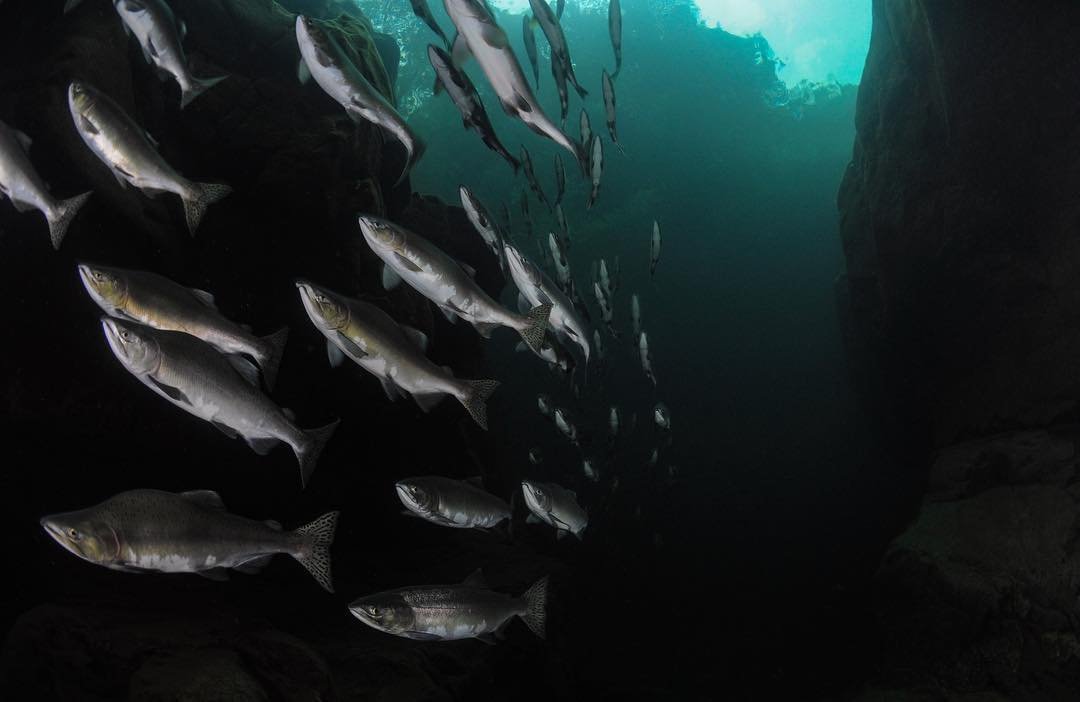
The Best Places To Watch The Salmon Run On Vancouver Island
It’s salmon spawning season on Vancouver Island. With the changing of seasons marks the return of once-tadpoles to the streams where life began for them. From September until early December, you can bear witness to one of the most exciting natural phenomenons of the year across the Island. ABOUT SALMON SPAWNING ON VANCOUVER ISLAND While different species spawn at different times of the year, Fall is one of the most popular and easily accessible times to view it. Salmon spend most of their time developing in small rivers and streams before heading out to sea, where they mature and spend the majority of their lives. Later, they return to the same river where they were born to lay or fertilize eggs of their own. After creating the next generation of salmon, they pass away and their bodies become part of the circle of life. Getting to their original stream, however, is no easy task. First, they must overcome several obstacles, fighting their way against the currents, through natural barriers, and evading predators. Between the months of September to November and into early December, you can witness this journey first-hand at streams and rivers across the Island. Here are 5 places to see salmon spawning on Vancouver Island: GOLDSTREAM PROVINCIAL PARK Malahat Only 25 minutes from downtown Victoria is Goldstream Provincial Park , where the Goldstream River meets the Saanich Inlet. Goldstream River is home to one of the richest salmon spawning locations on Vancouver Island, with species including Chum, Coho and Chinook. Access to the river at Goldstream Provincial Park is only a short trek away from the main parking lot on the northbound side of the highway. While there is parking available on both sides of the road, visitors should know that there’s no safe pedestrian access across the highway, so it’s strongly encouraged to park at the main lot. From there, you can walk so we recommend starting your visit at the Nature House, situated on the east side of the highway. Park in the day use visitors area and walk 10 minutes down the Visitors Centre Trail. While you’re here, you might want to embark on one of the many trail hikes in the area, ranging from easier wheelchair accessible trails to more rugged, steep terrain. STAMP RIVER PROVINCIAL PARK Port Alberni In the Central Island, you can see the salmon in Port Alberni at the Stamp River Provincial Park . Only 30 minutes northwest of Port Alberni, this park is home to beautiful Stamp Falls with a lush landscape and roaring river rapids. Near the entrance to the park is a fish ladder to help make the journey easier for salmon. You can catch Coho salmon spawning in August and October and Chinook spawning in September and October. Gather at the pool of Stamp Falls to see the fish circling before fighting their way up the falls, or find a lookout spot along the river to watch the fish make their way up the river to their spawning beds. Before heading home, stop at the Alberni Harbour Quay in downtown Port Alberni for a selection of waterfront shops and eateries — the donut shop is a must! Or if you want to learn more about the maritime history of the Alberni Valley and west coast, check out the Maritime Discovery Centre. PUNTLEDGE RIVER & THE PUNTLEDGE RIVER HATCHERY Comox Valley Every year, the Puntledge River comes alive with one of nature’s most incredible spectacles: the salmon spawn. As the seasons shift and the temperatures drop, these resilient fish embark on an awe-inspiring journey from the vast expanse of the ocean back to their birthplace in the Puntledge River. With an innate sense of navigation, they swim against strong currents, leaping over cascading waterfalls, and overcoming countless obstacles in their quest to complete their life cycle. The Puntledge River becomes a stage for this remarkable drama, as thousands of salmon return to their ancestral grounds. Their vibrant colors and sheer determination make for a breathtaking sight as they battle their way upstream, their bodies glistening with the shimmer of hope and survival. This natural phenomenon not only showcases the enduring spirit of these incredible creatures but also highlights the delicate balance of our ecosystem. Visitors to the Puntledge River during the salmon spawn season witness a powerful reminder of the interconnectedness of all life on Earth. It’s a time to marvel at the beauty of nature, to reflect on the cycle of life and death, and to appreciate the importance of preserving our rivers and the habitats they provide. The salmon spawn on the Puntledge River is not just a spectacle; it’s a poignant reminder of the wonders of our natural world and the need to protect it for generations to come. ENGLISHMAN RIVER FALLS PROVINCIAL PARK Errington, Parksville Every fall, Pacific salmon return to their ancestral home in the Englishman River . Against all odds, they embark on an arduous journey, swimming upstream against powerful currents and leaping over cascading waterfalls. Their vibrant colors and indomitable spirit make for a mesmerizing display, as they navigate the challenges of their incredible lifecycle. The Englishman River’s salmon spawn is not just a spectacle; it’s a testament to the delicate balance of our ecosystems and the resilience of nature. It offers a chance for visitors to witness the circle of life in action, providing a deep appreciation for the interconnected web of life. It’s a reminder that our actions have a direct impact on the health of these remarkable creatures and the ecosystems they call home. Whether you’re a nature enthusiast, a curious traveler, or simply seeking a moment of tranquility in the heart of Vancouver Island, the salmon spawn on the Englishman River is a breathtaking experience that showcases the enduring beauty and importance of our natural world. It’s a reminder that we all play a role in preserving these precious habitats for future generations. QUATSE RIVER ESTUARY Port Hardy Nestled on the rugged north western coast of Vancouver Island, the Quatse River Estuary unveils an annual natural spectacle that leaves observers in awe – the salmon spawn. This remote and pristine sanctuary becomes a theatre for a breathtaking journey of survival and renewal. As autumn descends and the Pacific salmon heed their ancient calling, they embark on a remarkable pilgrimage back to the Quatse River Estuary. Battling against powerful tides, they navigate the intricate channels and marshy flats of the estuary, tirelessly pushing upstream towards their birthplace. The sight of these magnificent fish, with their brilliant colors and unwavering determination, is a true marvel of the natural world. The Quatse River Estuary’s salmon spawn is not just a spectacle; it’s a testament to the delicate balance of our coastal ecosystems and the resilience of nature. It provides an extraordinary opportunity for visitors to witness the circle of life in action, fostering a profound connection to the intricate web of life that sustains our planet. It reminds us of our shared responsibility to protect these critical habitats and safeguard the future of these incredible creatures. For nature enthusiasts, explorers, and those seeking a deep connection with the natural world, the salmon spawn at the Quatse River Estuary is a poignant experience. WHAT TO KNOW BEFORE YOU GO Remember, salmon spawning is not only for spectators, it’s also one of the most important times of the year for bears to stock up on nutrients before the winter ahead. Anytime you’re heading into the wilderness, always prepared and practice safe outdoor behaviours. If you see a bear, remain calm, stay still and do not run. Get your bear deterrent ready and back away slowly without turning your back. Learn more at WildSafeBC.com . Additionally, the weather on Vancouver Island can be unpredictable so make sure you dress appropriately. Most of the salmon spawning destinations are easily accessible by well-maintained trails, but proper footwear and a warm raincoat can ensure your salmon spawning experience can be enjoyed to the fullest. Lastly, try to avoid wearing brightly coloured clothing, such as reds, pinks and purples, as it can cause undue stress on the salmon if they spot you. Keep pets on a leash at all times and, if possible, find a higher location for the best view so they’re not tempted to hop in the water. For more tips and recommendations for how to be best prepared in the outdoors, check out AdventureSmart.ca .
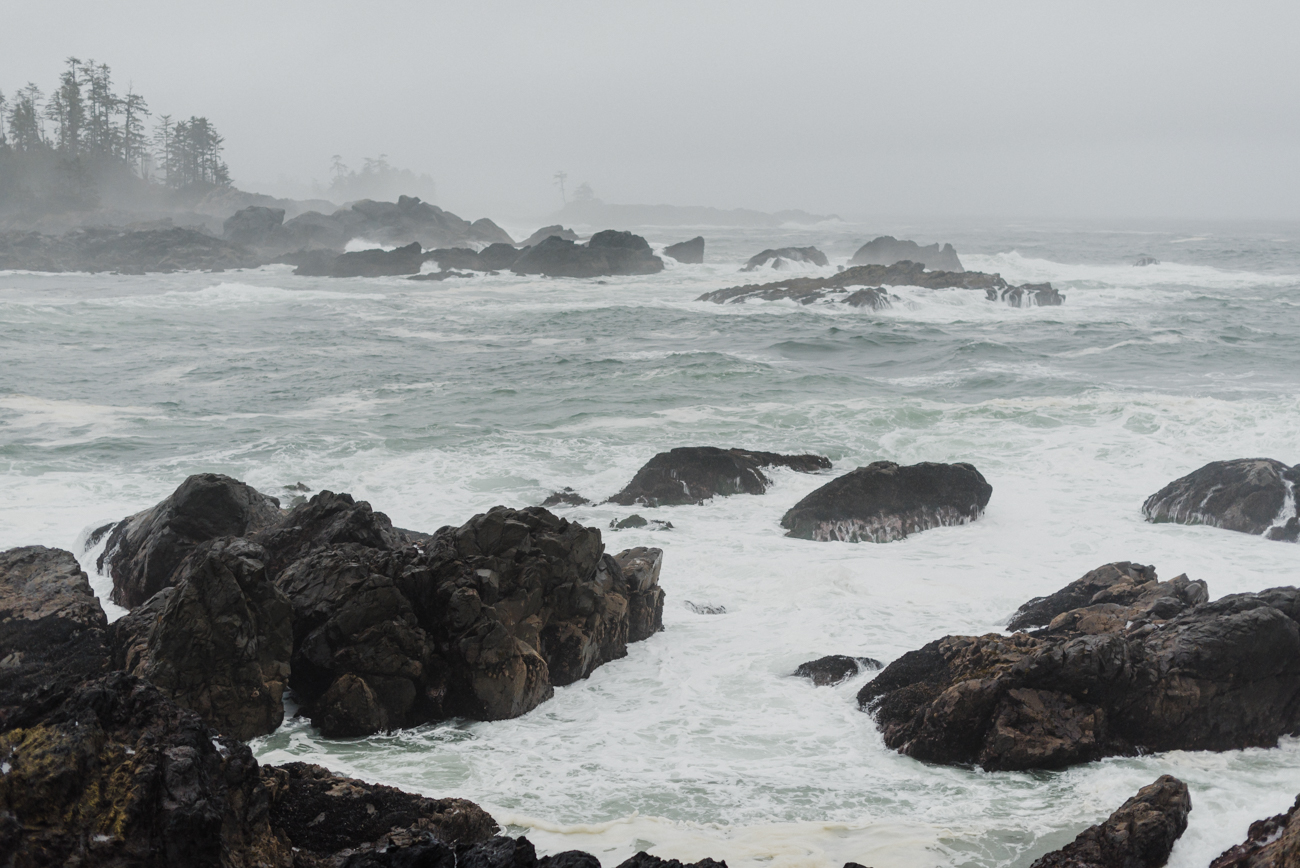
Best Ways to Get Outside on Vancouver Island This Winter
It’s no secret that Islanders like to boast about our winters. While it’s true that our winters are typically a little more mild than other parts of the country, Mother Nature still delivers her fair share of precipitation. Don’t let the rainy season dampen your spirits; there are plenty of great things to do, both inside and out, to ignite your spirit and satisfy your thirst for adventure! STORM WATCHING No where else offers storm watching quite like the west coast of Vancouver Island. From Port Renfrew to Port Hardy , there are countless opportunities to catch the raw force of Mother Nature, pounding wave after wave against the rugged coastline. Suit up and stand back as massive waves crash into rocky shores, sending seawater high into the sky. Or, stay warm, dry, and cozy in a private beachfront cabin or condo-style accommodation overlooking the water. Storm watching is a great opportunity to sneak away to the Island for a little rest and relaxation. Because it falls within the region’s shoulder season, it tends to be a little quieter and room rates are generally lower, making it easy to justify a weekend getaway even on a modest budget. Storm Watching at Black Rock Oceanfront Resort in Ucluelet ALPINE SKIING & SNOWBOARDING Vancouver Island has not one, but two great places to hit the slopes this winter. Mount Washington Alpine Resort , located just 20 minutes from Courtenay, is the larger of the two with 1,700 acres of terrain, five lifts, and four Magic Carpets, making it a great destination for the whole family. If there’s anyone in the family who isn’t so comfortable with the idea of skiing or snowboarding, the resort also has a great snow tubing park too. Once the season kicks off, the resort is open every day and has several places to stay on-mountain, or you can stay in Courtenay, Comox, or Cumberland to explore even more of what the area has to offer. Mount Cain is located further north on the Island, approximately two hours from Campbell River . Mount Cain is Vancouver Island’s community owned and operated ski hill, so while it’s not as large as a common resort-style destination, it’s one of the region’s best-kept secrets. It offers five green and seven blue runs for the relaxed or inexperienced crowd, but it’s abundance of black diamond runs and backcountry attract alpine enthusiasts from across the Pacific Northwest. Because it’s volunteer-run, Mount Cain is only open on weekends (and the occasional Friday, too), giving snow base the chance to accumulate throughout the week. Every Saturday has the potential to be a powder day! Boomerang backside snowboarder on Mount Washington with view of ocean in background CROSS COUNTRY SKIING & SNOWSHOEING Whether you prefer a nice, smooth slide or a heart-pumping workout, the alpine regions of Vancouver Island have several scenic trails for all ages and abilities. At Mount Washington, you’ll find over 55 kilometers groomed trails shared between the resort and Strathcona Provincial Park , all of which are well-maintained and include a variety of terrain for everyone from beginner to advanced. If you need any lessons or equiptment, the nordic center at the Raven’s Lodge has you covered. Cross-country skiing at Mount Washington Alpine Resort CAVING Caving is just as much fun, if not more fun, in winter than it is in the summer. Caves maintain an annual temperature of 8 degrees celsius, so in the colder months it can actually be more comfortable inside rather than out. Spelunking, the term used to describes caving, is mostly a dry activity but can get a little wet from time to time thanks to rivers running through the cave and small droplets forming from cracks in the rock. Horne Lake Caves , located about a half-hour from Parksville , has all the equipment you need to head underground. Their guided tours are a great way to spend a few hours learning about the area’s geography and common cave formations. Whether you’re a little timid of tight spaces or eager to explore every crevice, Horne Lake Caves has a tour for you! Caving in Horne Lake Caves in Horne Lake Caves Provincial Park at Qualicum Beach HIKING & MOUNTAIN BIKING Regardless of the season, it’s always a good time to go for a hike or ride a bike! There are thousands of trails in every part of the Island, from short and easy walks like the Kinsol Trestle in Shawnigan Lake to summiting mountain like Mt. Benson in Nanaimo. Once you set foot (or tire) on a trail, you’ll get to know another side of Vancouver Island you simply can’t find in the city. It’s being surrounded by lush flora and fauna, with nothing in earshot but the sound of birds chirping and water dripping on the leaves, creating the most idyllic sense of peace and tranquility. Go ahead, chase waterfalls, find breathtaking viewpoints, and get a little dirty in the process. * *

Parksville Orca Place supportive housing facility adding 3 units
Work is underway at the Orca Place supportive housing facility in Parksville to add three new living units. The three new studio units will have private washrooms and kitchenettes, according to Island Crisis Care Society, which operates the building constructed by BC Housing and located on city-owned land. In order to free up the space, scooter and bicycle storage will be relocated to a new building, and Parksville council approved the development permit during its Jan. 19 meeting. “I believe staff was working long and hard with BC Housing to get this to happen, so I just wanted to have a quick shoutout to staff for getting this done,” Coun. Sean Wood said. Once the renovations are complete, it will bring the total number of homes to 55, according to ICCS. The new units are expected to open in the fall. Orca Place opened in 2019 and provides housing, support, and programs to residents who have been assessed and recommended by the local Housing and Outreach Support Team. RELATED: PQB unhoused enter another winter with no overnight shelter [https://pqbnews.com/2025/12/29/pqb-unhoused-enter-another-winter-with-no-overnight-shelter/]

Vancouver Island joins provincial push to make reading social
In an age where screens usually do the talking, thousands of readers across B.C. will be turning pages together instead. The Great Big Buddy Read returns on Thursday, Jan. 29, inviting students, families and community members across Greater Victoria to pair up and share stories as part of a provincewide celebration during Family Literacy Week. The initiative challenges the idea that reading is a quiet, solitary pursuit, instead reframing it as something social, joyful and shared. “Screens provide content, but reading buddies provide connection,” said Sean Rodman, literacy outreach coordinator. “By making literacy a social event, we’re competing with screens by offering something much more rewarding: real-world connections – between the buddies and with the author of the book.” The event encourages children in kindergarten through Grade 5 to read alongside a buddy, whether that’s an older student, parent, grandparent, teacher, librarian or friend, for 20 to 30 minutes on Jan. 29. Participants are also invited to take part in optional creative activities, from building blanket forts to dressing up as favourite book characters. This year marks the first time the event has been locally coordinated across southern Vancouver Island, with literacy organizations teaming up to promote participation in School Districts 61, 62 and 63. “The Columbia Basin Alliance for Literacy began the event in 2019, and continues to run it as a provincewide initiative,” Rodman said. “Locally, this is the first year that literacy organisations have teamed up to promote the event here on southern Vancouver Island.” Those local partners include Story Studio, a charity focused on empowering youth through storytelling, and Saanich Peninsula Literacy, which works to strengthen literacy services and awareness across the community. Rodman said the long-term hope is that the Buddy Read becomes a fixture for families and schools. “We hope to see this become an annual event for local schools and families, helping to spotlight the importance and joy that comes about from sharing reading and writing activities,” he said. While schools are central to the initiative, participation extends well beyond the classroom. Families can take part at home, in libraries or anywhere a pair of readers can sit down together. “It’s as simple as sitting down with a youth and reading for 20 minutes on Jan. 29,” Rodman said. “When a child reads with a buddy, the book stops being a chore and becomes a conversation.” Participants on southern Vancouver Island can register online [https://forms.office.com/pages/responsepage.aspx?id=DQSIkWdsW0yxEjajBLZtrQAAAAAAAAAAAAMAAHR5bjdUM1BPTVhTUVFQSEwzOTJJNUQzUEJQREVJRi4u&route=shorturl] before Jan. 30 to be entered into a prize draw for classes and groups. There are currently 1,500 kids registerd from more than six schools across Greater Victoria. Even for those outside the region, the message remains the same: grab a book, find a buddy, and read together.

Hockey Canada taps B.C. capital to pilot new player development hub
Victoria is set to become the testing ground for a new national vision in player development. Hockey Canada has announced that the first-ever Hockey Canada Development Hub will be based in Victoria, running out of the Save-on-Foods Memorial Centre this spring and summer, in partnership with the Victoria Royals and BC Hockey. > The first development hub will be piloted this spring, in partnership with > @BCHockey_Source [https://twitter.com/BCHockey_Source?ref_src=twsrc%5Etfw] and > the @VictoriaRoyals [https://twitter.com/victoriaroyals?ref_src=twsrc%5Etfw]. > > > > > Le premier centre sera mis à l’essai ce printemps en partenariat avec Hockey > C.-B. et les Royals de Victoria. > > ???? https://t.co/f3RlKi8NXQ [https://t.co/f3RlKi8NXQ] > ????… pic.twitter.com/PM713fzs8o [https://t.co/PM713fzs8o] > > — Hockey Canada (@HockeyCanada) January 23, 2026 > [https://twitter.com/HockeyCanada/status/2014774226042200514?ref_src=twsrc%5Etfw] The pilot program is designed for competitive boys and girls in the U9, U11 and U13 age groups, along with emerging high-performance U15 and U18 men’s athletes, and will run twice a week from March 31 to May 28. Additional programming is scheduled for the summer, beginning Aug. 10, expanding to include U7 players as well as men’s junior and U20 athletes. For Joey Poljanowski, vice-president of hockey operations with the Royals, the timing and location made sense. “In learning the market and understanding it more, it’s obviously a priority for our organization to be involved in modern hockey and help with development as much as possible,” Poljanowski told Victoria News. “It’s part of our mandate to try to reduce barriers and open up as many development opportunities to players as possible.” The hub will offer standardized on- and off-ice programming led by the Royals coaching staff, with support from Hockey Canada Certified Skills Coaches, with each age group getting 15 sessions. Registration for each age group will be capped at 25 players to ensure individual instruction and engagement. Poljanowski said the goal is not to replace existing programs, but to centralize development under one umbrella, bringing together the resources of Hockey Canada, the WHL and BC Hockey. “There’s a lot of different outlets and offerings in Victoria,” he said. “The purpose of this was to bring it all together and centralize it, and offer players a program where parents know they’re getting quality, industry-leading education.” On the ice, sessions will range from skill, skating and position-specific instruction. Off the ice, the focus broadens. “We’re not trying to create robots,” Poljanowski said. “Players have to have hockey sense. They have to understand the game. There’s the off-ice workouts, nutrition, mindset, recovery, sleep. It’s about becoming a complete player.” Character development is also a key component, with an emphasis on being a good teammate, showing respect and understanding the privilege of playing hockey in Canada. Scott Salmond, Hockey Canada’s senior vice-president of high performance and hockey operations, said the hub model has the potential to reshape how development is delivered across the country. “Pending the results of this pilot, we envision operating hubs in the future in multiple Canadian communities in partnership with the CHL and its member leagues,” he said in a press release. “(This) will provide more opportunities for Canadian athletes to learn, develop and grow through programming that has been approved by Hockey Canada to ensure it is age- and skill-appropriate.” Poljanowski said Victoria was well positioned to lead the way. “With our ownership, access to the facility, our development staff and the community we have here, it’s a privilege to be first through the door,” he said. “We want to set the example and build something that can be replicated elsewhere.” All sessions will take place at the Save-on-Foods Memorial Centre. “At the end of the day, it’s about the players enjoying their experience as much as what they take away from it,” Poljanowski said. “This is a hub to learn and grow your game, but also to stay in love with it.” The first session will be the U9 group, skating at 4 p.m. on Tuesday, March 31. Those interested in registering in the hub can sign up here. [https://page.spordle.com/development-hubs/register/1f0f66b7-d3fb-60f2-890b-02f41b49034d]

Victoria Film Festival bringing playful pops of colour to Greater Victoria
Film won’t just be watched; it will be brought to life in playful and profound ways at the 2026 Victoria Film Festival. The festival hits Greater Victoria theatres Feb. 6 to 15 and lineup/ticket sales went live Jan. 9. With 91 feature films on the list this year plus shorts, VFF director Kathy Kay painted a picture of what’s to come, highlighting quirks that will make the festival’s 32nd edition pop. At the screening of Canadian film Dead Lover, a surreal and comedic horror piece, the festival will sell Smell-O-Vision cards – “kind of like scratch and sniff books/stickers from childhood” – for audience members to use at certain parts as they watch. “We want going to the ‘movies’ to be an experience,” Kay said. “To help create something memorable. As much as possible, we want to create a visceral experience for people.” This year, horror films are getting more attention as the genre surges in popularity, she notes. “In 2025, films like Sinners and Weapons proved that horror can be a box-office success while also earning critical praise and mainstream attention.” As part of the push, the Toaster Rocket Cinema will transform into the “Terrifying Toaster” and screen horror films on Feb. 7 and 10 at 10 p.m. Films will also run in other unusual places, such as the Destroyed Cinema running three pop-up locations: Market Square, Little Fernwood and United Commons. Bringing additional pizzazz to the festival are music performances, the return of an animatronic arcade art exhibit and special appearances for Q&As. Celebrated nature artist Robert Bateman is expected at two screenings of The Art of Adventure, which chronicles his 30,000-km adventure across Africa, India, Southeast Asia and Australia with ecologist Bristol Foster. Similarly, comedian Mary Walsh from This Hour Has 22 Minutes and Sheila McCarthy from Women Talking will speak at a Sidney screening of Dancing on the Elephant and an In Conversation event with CTV’s Richard Crouse. Local filmmakers, such as Deanna Milligan and Ramsey Fendall, are also expected to add some colourful conversation. As always, there is plenty on the program to choose from, and luckily, the VFF guide breaks it all down into helpful categories. For instance, Buzz+ highlights films that come with cred, which could give certain people a “smidge of FOMO”. Other categories include Coast films; F1RST, presenting contemporary Indigenous filmmaking; QuirkD, which encompasses quirky films – “think Stopkewich’s Kissed, Lynch’s Eraserhead”; and Sketch, which focuses on the lives of interesting people. This year, nine films are flagged in the Buzz+ category. Among them, the animated A Magnificent Life, which was nominated for Best Animated Film at the Lumiere Awards, comes from Academy Award-nominated director Sylvain Chomet (The Triplets of Belleville) and is noted to be an engaging film about film. Carolina Caroline is a “stylish tale of young lovers” that “breathes new life into the classic formula.” There’s also a Canadian film, Mile End Kicks, which won Best Screenplay and Best Editing at the Whistler Film Festival and follows an aspiring music journalist. If one still isn’t sure what to see, Kay recommends another popular option: “Going to one of the shorts programs is a great way to see works by a number of filmmakers in a limited amount of time.” One thing is for certain: each year, the VFF offers a unique experience and that special touch that makes it stand out among film festivals around the world. “It could be the pink prism that we see the world through,” Kay said. “Maybe it’s because we’re on an island. Or maybe we’re just quirked? This year we have robots, pop-up cinemas, rock band performances … whether it’s in film programming or the creation of other events, we want to create something engaging and just a bit different – like us.”

Mildly Sexy Lumberjacks bring cheeky comedy to Vancouver Island
Canadian Steam is aims to heat up Vancouver Island in the dead of winter. Canadian Steam is a comedy and live-music show coming to Campbell River on Jan. 30 and Victoria Jan. 31. It blends fast, improv comedy, music, enthusiastic dancing and jaw-dropping eh-rotica, and frisky Canadian charm. It’s Whose Line Is It Anyway? energy meets Magic Mike confidence, with dad bod reality and Island audiences have been lapping it up. “We keep coming back to Campbell River because the audiences here are fully in it,” says Denise Jones, co-founder of The Comedy Department. “People show up, they play along, and they bring the kind of energy that makes live comedy really work. It’s one of those towns where every return feels like partying with friends.” And is in for a real treat this time around. These flannel-clad “heartthrobs” have been officially dispatched by the Ministry of Sexy™ (yes, that’s totally a thing) to prove that Canada isn’t just nice – it’s devastatingly funny. But here’s the twist: The audience decides if they’ve earned the Official Stamp of Sexy at the end of the night. Their cheers, their laughter, their votes hold the power. In addtion the Campbell River and Victoria dates at the end of the month, the show will return to the Island for a March 13 date in Sidney and another March 14 in Courtenay. Tickets are available at canadiansteamcomedy.com. [https://canadiansteamcomedy.com/get-tickets/]
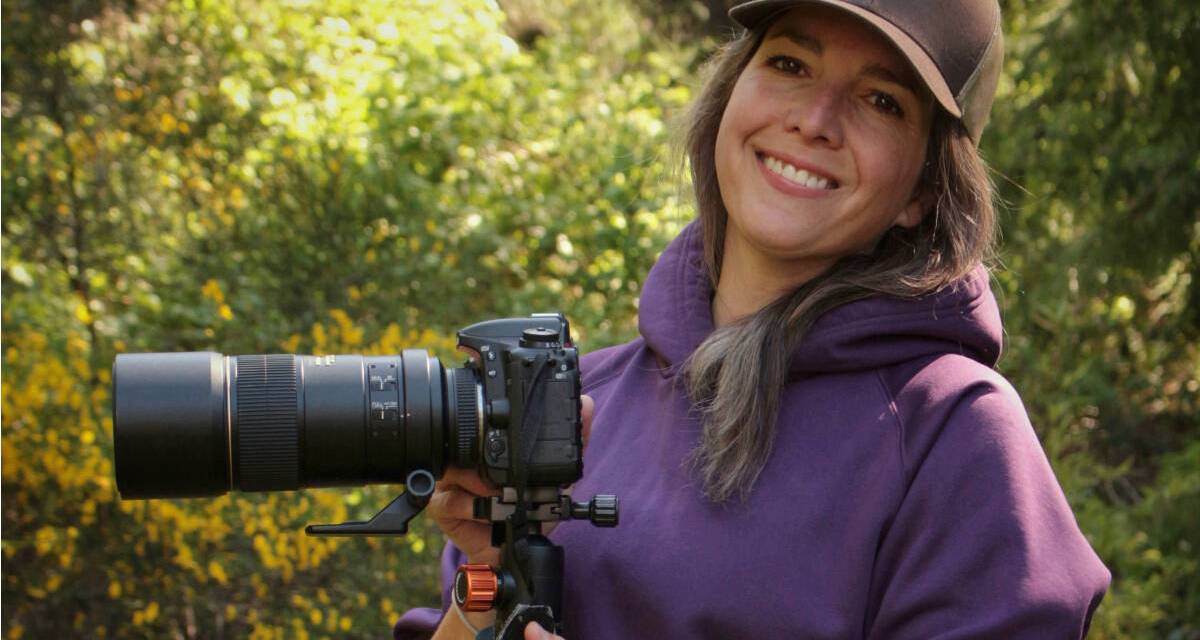
Vancouver Island photographer captures global recognition for Sooke Potholes\nshot
A local photographer was awarded bronze in an international competition for a photo taken at Sooke Potholes. The Exposure One Awards celebrate the art of black-and-white photography. They recently announced the winners of their Nature Photography Contest for 2025, and among the talent was Sooke’s Pascale Navarro in the Earth’s Textures category for an image taken at Sooke Potholes. Captured on Christmas Eve in 2024, the long exposure shot was taken in monochrome mode, featuring the roots of an old-growth tree and a flowing creek. Navarro headed out to the park and set up a tripod on what was a dark and gloomy day, and began running around with a flashlight, dressed all in black, to accomplish an artsy photo. “It wasn’t working out that great and I wasn’t stoked on the photos, but I was kind of laughing because I figured if somebody walked by and saw me, they would be like, ‘What is this person doing, dancing around in the middle of the woods with a flashlight’,” Navarro recalled. Despite not getting the shot she originally intended to, Navarro said she doesn’t give up that easily. Walking farther into the forest, she came upon the creek and the old tree with its tangle of roots, and inspiration hit. Selected from submissions by photographers worldwide, the win was a welcome start to the day when she got the call on the morning of Jan. 7. Although only the first-place winners received a cash prize, placing third earned her global exposure. “It’s nice to get some recognition,” Navarro told – I was like, ‘Yay, that’s awesome. I needed that this morning – something positive’.” While second or first place would have been even better, Navarro says she doesn’t find she needs the motivation of winning when it comes to photography. “It’s a gift to be that passionate about something, and it’s part of me just as much as my heart or my hands. It’s part of who I am… Some people could say I’m obsessed, and I probably am — and you know what? I’m OK with that. It makes me very happy.” Navarro’s love of photography started when she was just five years old. Her father, who hailed from North Africa, was an amateur photographer. Navarro’s relationship with him was “complicated” in ways, but their shared love for photography was one thing they could connect over. When she was 15, her father handed her his Minolta film camera, taught her the fundamentals, and she took his portrait. That was her first black-and-white film photo. He died when Navarro was 19, and the following year she signed up for photography school, beginning her career by the time she was 22 years old. Her work brought her everywhere from Quebec City to Vietnam. Now, 25 years later, she teaches photography to people of all ages through her business, Foto Rando, while also experimenting with her own photography. In the previous year’s competition, she won the People’s Choice award in the Exposure One Awards for a black-and-white image she captured of an abandoned church in Duncan. “Anything that can be observed can be photographed,” she said. “I’m still as passionate as I was 25 years ago in that sense, because it’s just endless…I’m always pushing myself and learning, especially as an educator. “That’s a huge inspiration and motivation for me because I feel like I have to be on top of my game.”

J.P. Wiser’s tops podium as whisky awards celebrates best of Canada’s liquid\ngold
Once again, Victoria was home to the country’s largest event celebrating the caramel-coloured booze that helped define the 19th and early 20th centuries. On Thursday, Jan. 15, the Canadian Whisky Awards were held at Hotel Grand Pacific, recognizing the top distillers within the nuanced world of the highly esteemed canuck-made drink. “Canadian distilleries, large and small, are really doing things that were unheard of, even 15 years ago,” said Davin de Kergommeaux, founder of the awards and Canadian whisky expert. Canadian whisky is more regulated compared to other countries, especially our American counterparts, in that the federal Food and Drugs Act requires liquor labelled as ‘Canadian whisky’ to be mashed, distilled and aged in Canada, to be aged in wood vessels for at least three years, and it must contain at least 40 per cent alcohol by volume. It must also taste like Canadian whisky, which, according to de Kergommeaux, means a caramel taste at the beginning, pepper in the middle, pith at the end, and “10,000 other things hung on that.” The 2026 Canadian whisky of the year was J.P. Wiser’s 24 Year Old Canadian Whisky, a spirit that was slowly matured across multiple casks with noted of cherry and vanilla flavours. Among the other winners was the Saanich-based Macaloney’s Distillery’s Peat Project: Harvest Coast, which was named the single malt whisky of the year. Last year, Macaloney’s took four gold medals at the World Whiskies Awards and was named Canadian Whisky of the Year at the 2025 Canadian Whisky Awards. A fan favourite was Wild Life Distillery’s WLD Cask King of the North, a whisky which was distilled with Alberta Rye, chill filtered, and aged for four years in a barrel that once held peated single malt whisky and Canadian maple syrup. “Sometimes you find a whisky that is so beautifully integrated that it doesn’t taste like anything more than itself,” de Kergommeaux told a crowd at a preview whisky tasting, speaking on the Wild Life submission. “It’s just really the very best whisky.”

Island filmmakers take centre stage at sold-out Lightspeed Film Exhibition
What started as a half-filled theatre and four short films has grown into a sold-out night celebrating some of Vancouver Island’s most creative local voices. The Lightspeed Film Exhibition returns to The Vic Theatre on Friday, Jan. 23, with doors opening at 6 p.m. and screenings beginning at 6:30, showcasing 13 locally made short films from filmmakers across Vancouver Island and the Gulf Islands. The Lightspeed Film Exhibition will feature 13 films in 2026. (Photo courtesy of Lightspeed Film Exhibition) [https://mondaymag.com/wp-content/uploads/sites/27/2026/01/41380624_web1_260115-VNE-LightspeedFilmFestival-Sign_1.jpg] The exhibition, now in its second year, was co-founded by Neal Cropper and Leonard Farr after a casual conversation among local filmmakers revealed just how difficult it was to find opportunities for Island-made work to be shown on a big screen. “There were four or five filmmakers in a room talking about how hard it was to get local distribution,” Cropper said. “I said, ‘Well, there’s enough of you here to start a film festival,’ and they told us you can’t just start one, so Leonard and I went and started one.” The inaugural event in 2025 featured just four films and sold roughly half the theatre. This year, with Victoria Clements joining the organizing team, Lightspeed received about 25 submissions and selected 13 films, each capped at roughly 20 minutes to allow as many filmmakers as possible to participate. Clements, who runs the Victoria Film Industry Network with thousands of local members, said the exhibition fills a clear gap in the local film scene. “They take the gamut, from art films to comedies to documentaries,” she said. “It’s really about supporting local filmmakers at its foundation, and that’s why it’s been so well accepted.” Organizers said one of the biggest lessons from the first year was the importance of putting filmmakers front and centre, not just screening their work but actively promoting the people behind it and creating space for connection. That focus appears to have resonated. This year’s event sold out more than a week before opening night, something Farr said was both exciting and still a little surprising. “I think it proves there’s a demand, both for things to be made here and for people to come out and watch them,” he said. The lineup offers a wide range of styles and tones, from heartfelt stories about kindness and community to absurd sci-fi comedy, with most filmmakers expected to attend in person, with a post-screening Q&A planned at the conclusion of the night. For the organizers, the goal extends beyond a single night. “This is about building bridges,” Cropper said. “Real people, making real content, meeting in real space. That’s how local film culture grows.” The screenings are expected to run until roughly 9:45 p.m. at The Vic Theatre.